







How to Choose a Commercial Back Bar Cooler or Glass Door Beverage Refrigerator
Compare bar coolers, back bar and undercounter designs, beer temperature needs, glass door…
 17:54
17:54 فالمشروبات الدافئة، والثلاجات المكتظة، وسوء رؤية المنتجات، وإعادة التزويد المستمرة بالمخزون، كلها عوامل قد تضر بتجربة العملاء وكفاءة الموظفين. وتزداد المشكلة سوءًا خلال ساعات الذروة. وتُحل هذه المشكلة من خلال استخدام ثلاجة مخصصة للمشروبات تم اختيارها بعناية، حيث توفر مساحة تخزين مبردة مخصصة ومنظمة وموثوقة للمشروبات.
ثلاجة المشروبات هي ثلاجة مصممة لتبريد وترتيب المشروبات المعبأة في زجاجات أو علب. للاستخدام التجاري، اختر ثلاجة المشروبات بناءً على السعة الصالحة للاستخدام، والتحكم في درجة الحرارة، وسرعة استعادة التبريد، وتصميم الباب الزجاجي، والأرفف القابلة للتعديل، ونوع التركيب، واستهلاك الطاقة، والظروف البيئية، ومتطلبات الصيانة — وليس بناءً على المظهر أو حجم الخزانة فقط.
A ثلاجة لتبريد المشروبات هو جهاز تبريد مخصص للمياه المعبأة في زجاجات، والمشروبات الغازية، والعصائر، والقهوة المعلبة، ومشروبات الطاقة، والبيرة، ومشروبات الألبان، والمشروبات المخلوطة، وغيرها من المشروبات المعبأة. واعتمادًا على حجمه وتصميمه، قد يطلق عليه المشترون أيضًا اسم «ثلاجة المشروبات»، أو «مركز المشروبات»، أو «مبرد المشروبات»، أو «ثلاجة مبردة للمشروبات»، أو «مبرد مشروبات تجاري».
تتمثل المهمة الأساسية في الحفاظ على برودة مجموعة واسعة من المشروبات وترتيبها. لكن في البيئة التجارية، يجب أن تتحمل المعدات أحمالًا تفوق بكثير تلك التي تتحملها الثلاجة المنزلية العادية. فقد تُفتح الأبواب عشرات أو مئات المرات خلال كل نوبة عمل. كما تحمل الرفوف زجاجات وعلب ثقيلة. وقد تعمل الثلاجة بالقرب من معدات الطهي أو في مساحة بيع بالتجزئة دافئة. لذا، يجب أن تستعيد الثلاجة قدرتها على التبريد بسرعة.
تُدرج وزارة الطاقة الأمريكية مبردات الزجاجات، وثلاجات العرض، والوحدات المثبتة تحت المنضدة، والوحدات المثبتة على سطح العمل، ومبردات خلف البار ضمن إرشاداتها الخاصة بشراء معدات التبريد التجارية. وهذا يسلط الضوء على نقطة مهمة، وهي أن معدات التبريد الاحترافية مصممة لتلائم ظروف التشغيل التجارية، وليس لمجرد التخزين المنزلي.
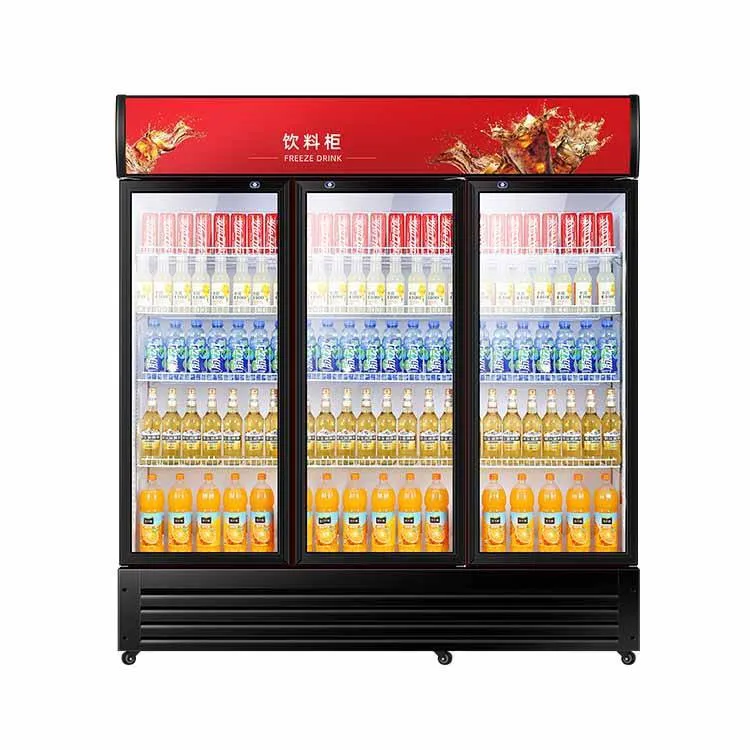
عادةً ما تُخزَّن في الثلاجة العادية أنواع عديدة من الأطعمة في آن واحد. فاللحوم والخضروات ومنتجات الألبان والصلصات والأطباق الجاهزة والمشروبات تتنافس جميعها على نفس المساحة.
تُفصل ثلاجة المشروبات المخصصة تخزين المشروبات عن الثلاجة الرئيسية. وبذلك يحظى الموظفون بمساحة أكثر تنظيماً، ويتمكن العملاء من رؤية المنتجات بسهولة أكبر، وتصبح عملية إعادة التزويد أسهل. وفي بيئة البيع بالتجزئة، يمكن لثلاجة المشروبات الشفافة ذات الباب الزجاجي أن تحول عملية التبريد إلى أداة للبيع.
تخيل متجرًا صغيرًا مزدحمًا. يريد أحد الزبائن مشروبًا غازيًا باردًا. إذا كانت جميع المشروبات موضوعة داخل ثلاجة مغلقة في الغرفة الخلفية، فلن يتمكن الزبون من الاطلاع على المنتجات دون مساعدة من الموظفين. أما ثلاجة عرض المشروبات، فتضع تلك المنتجات في مكان يسهل رؤيتها مباشرةً.
وتنطبق هذه الميزة أيضًا على:
كما تختلف الثلاجة التجارية عن الأجهزة المنزلية العادية من حيث طريقة استخدامها. تشير منظمة «إنيرجي ستار» إلى أن الثلاجات والمجمدات التجارية مصممة ومختبرة مع أخذ العمليات التجارية في الاعتبار، بما في ذلك بيئات المطابخ الحارة وفتح الأبواب بشكل متكرر.
ثلاجة المشروبات مقابل الثلاجة العادية
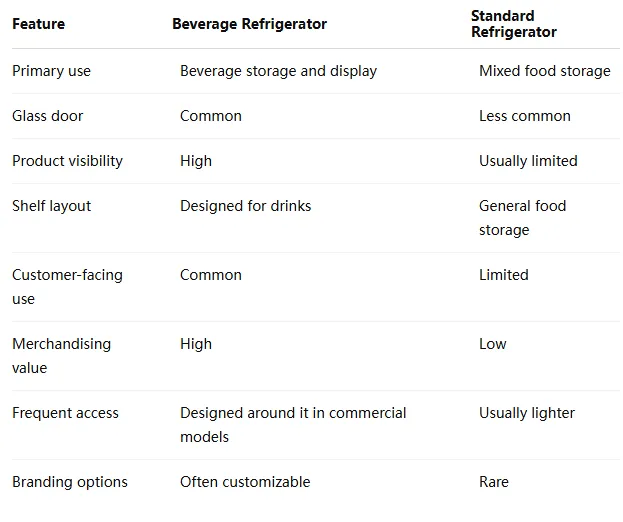
وبالتالي، فإن ثلاجة المشروبات التجارية لا تقتصر وظيفتها على تبريد المشروبات فحسب، بل إنها تدعم المبيعات وسير العمل ومراقبة المخزون وراحة العملاء.
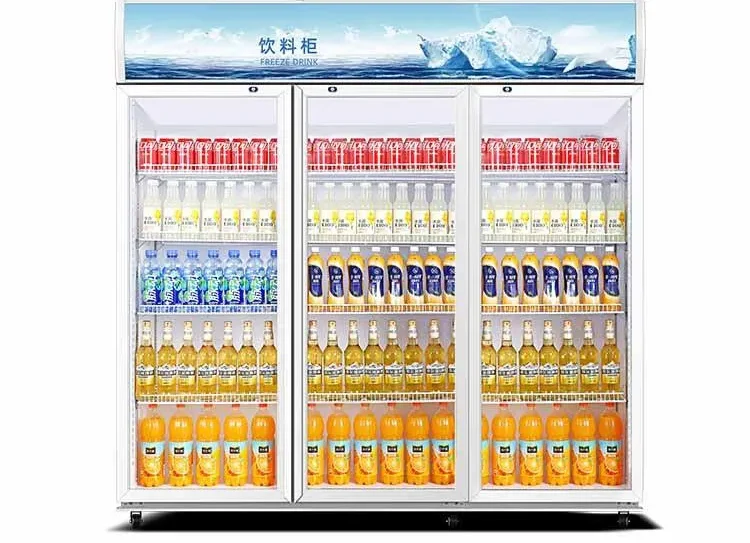
يمكن أن يشير مصطلح «وحدة المشروبات» إلى عدة منتجات. يجب على المشتري أولاً أن يقرر المكان الذي ستُستخدم فيه الثلاجة ومن سيحتاج إلى الوصول إليها.
أن ثابت تجاري توفر هذه الوحدة للشركات مساحة عرض واسعة مع شغل مساحة أرضية صغيرة نسبيًا. وهي تُعد واحدة من أكثر ثلاجات المشروبات التجارية عمليةً في قطاع البيع بالتجزئة.
ومن بين الاستخدامات الشائعة ما يلي:
ثلاجة المشروبات التجارية ذات الأبواب الزجاجية الطويلة تجعل المشروبات مرئية بسهولة وتسهل شرائها.
يتم تركيب ثلاجة المشروبات التي توضع تحت المنضدة أسفل منضدة الخدمة. وتُعد هذه الوحدات مفيدة في الحانات والمقاهي والمطاعم وصالات الفنادق ومناطق الاستقبال وغيرها من الأماكن التي يحتاج فيها الموظفون إلى المشروبات بالقرب من مكان عملهم.
قد ترى أيضًا مصطلحات مثل:
قد تتداخل هذه التسميات، لكن تصميم نظام التهوية له أهمية كبيرة. فليست كل الوحدات القائمة بذاتها قادرة على العمل بأمان داخل الأثاث المدمج.
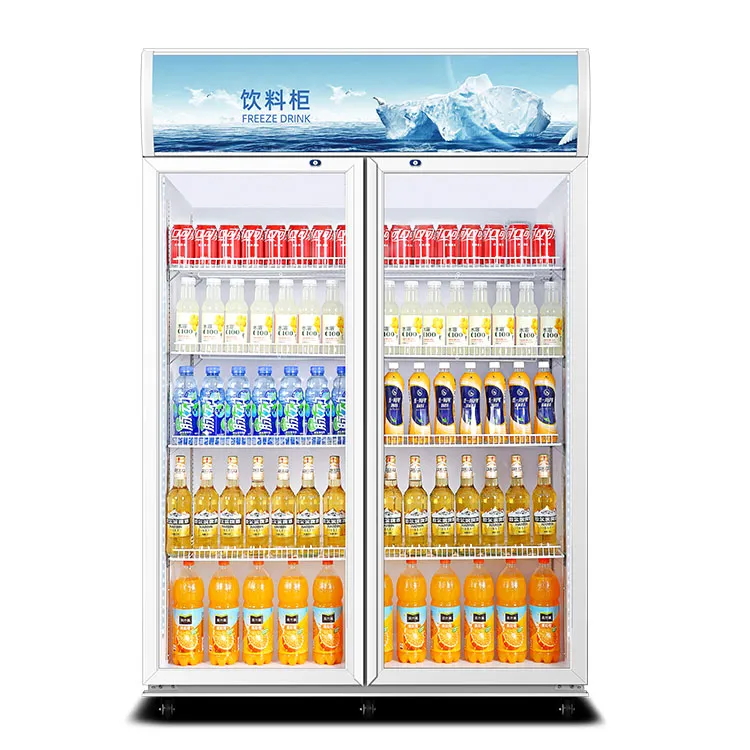
تُعد الثلاجة الصغيرة خيارًا مناسبًا عندما تكون الحاجة إلى مساحة تخزين مبردة محدودة.
ومن بين الاستخدامات الشائعة ما يلي:
قد يطلق الباحثون على هذه المنتجات اسم «ثلاجات صغيرة» أو «مبردات مشروبات صغيرة» أو «ثلاجات مشروبات صغيرة». لكن في حالة المشتريات التجارية، لا ينبغي أبدًا أن يكون الحجم الصغير هو المعيار الوحيد. بل يتعين على المشترين أيضًا التحقق من المتانة، وأداء الضاغط، والتهوية، والسعة الصالحة للاستخدام، وتكرار فتح الباب.
تركز ثلاجة عرض المشروبات بشكل كبير على الرؤية. فالإضاءة الجيدة، والزجاج النظيف، والأرفف المنظمة، واللوحات التي تحمل العلامات التجارية تساعد على إبراز المشروبات.
بالنسبة لشركات البيع بالتجزئة، لا يقتصر الأمر على مجرد التخزين المبرد.
إنه عرض البضائع.
يعتمد اختيار الثلاجة المدمجة أو القائمة بذاتها بشكل أساسي على التهوية والتركيب.
تحتاج ثلاجة المشروبات القائمة بذاتها عادةً إلى مساحة حول الهيكل حتى يتسنى للحرارة أن تتبدد. وتتميز هذه الثلاجة بمرونة في اختيار مكان وضعها، كما يسهل تغيير موقعها عند تغيير تصميم متجر البيع بالتجزئة أو مطعم.
صُممت ثلاجة المشروبات المدمجة لتُركب داخل منضدة أو خزانة مخصصة. وعادةً ما تستخدم ثلاجة المشروبات المدمجة الحقيقية نظام تهوية أمامي حتى يتمكن نظام التبريد من التخلص من الحرارة دون الاعتماد على مسافات جانبية واسعة.
اختر النوع القائم بذاته في الحالات التالية:
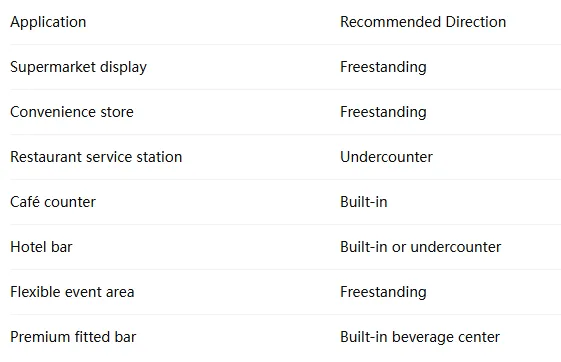
لا ينبغي اختيار خزانة المشروبات المدمجة لمجرد أن عرضها الخارجي يتطابق مع عرض الفتحة.
التهوية أمر مهم.
المسافة بين الباب والجدار مهمة.
الوصول إلى الخدمات أمر مهم.
قد تعمل الثلاجة القائمة بذاتها غير المُغلفة بشكل صحيح عند درجات حرارة تكثيف أعلى، مما يضع ضغطًا إضافيًا على نظام التبريد.
بالنسبة للمشاريع المُصممة خصيصًا،, إرسال أن تقدم إلى الشركة المصنعة مخططًا للتركيب يوضح ما يلي:
وهذا أكثر أمانًا بكثير من اختيار ثلاجة بناءً على بعد واحد فقط.
يجب أن يتحدد الحجم بناءً على الطلب وليس على التخمين.
تنصح وزارة الطاقة (DOE) المشترين من القطاع التجاري باختيار معدات التبريد ذات الحجم المناسب للاستخدام المقصود، مشيرةً إلى أن المنتجات ذات الحجم الزائد تزيد من التكلفة الأولية وتؤدي إلى خسائر إضافية في الطاقة.
قد تتطلب ثلاجة المشروبات الصغيرة إعادة التزويد بها باستمرار. أما الخزانة الكبيرة جدًّا فقد تهدر مساحة أرضية قيّمة.
ابدأ بستة أسئلة:
المخزون البارد المطلوب = ذروة المبيعات في الساعة × فترة إعادة التزويد × معامل الأمان
تخيل مقهى يبيع 50 مشروبًا في الساعة خلال أوقات الذروة.
يقوم الموظفون بتجديد محتويات الخزانة كل ثلاث ساعات.
باستخدام معامل أمان يبلغ 1.2:
50 × 3 × 1.2 = 180 مشروبًا
لذلك، يجب أن توفر الثلاجة مساحة تخزين عملية لحوالي 180 وحدة من المزيج الفعلي للمنتجات.
قد لا توفر ثلاجتان لهما نفس الحجم الإجمالي نفس السعة الفعلية لتخزين المشروبات.
تتغير السعة وفقًا لما يلي:
حتى الخزانة ذات السعة الكبيرة تحتاج إلى مساحة مفتوحة كافية لتدوير الهواء البارد.
غالبًا ما يبحث مشترو الأجهزة المنزلية وأجهزة الضيافة عن ثلاجة مشروبات مقاس 15 بوصة أو 24 بوصة. وقد تتناسب ثلاجة المشروبات مقاس 24 بوصة مع العديد من تصميمات أسطح العمل القياسية، لكن عبارة “24 بوصة” لا تعطيك سوى القليل من المعلومات عن السعة الفعلية.
بالنسبة للمشروع التجاري، يرجى مراجعة ما يلي:
سواء كنت بحاجة إلى خزانة ضيقة أو ثلاجة بحجم 24 بوصة، فاحرص دائمًا على الاعتماد على الأبعاد الفنية الكاملة.
الباب الزجاجي يغير وظيفة الثلاجة.
تتيح للعملاء رؤية المشروبات دون الحاجة إلى فتح الخزانة. ويمكن للموظفين التحقق من المخزون بسرعة أكبر. وتظل الملصقات مرئية. وتبدو المنتجات أكثر جاذبية.
بالنسبة إلى المتاجر الكبرى ومحلات البقالة الصغيرة، يمكن أن تسهم هذه المزايا في تشجيع عمليات الشراء العفوية.
قد يشمل تصميم الأبواب الزجاجية التجارية ما يلي:
يمكن لخزانة ذات أبواب زجاجية مصنوعة من الفولاذ المقاوم للصدأ أن تجمع بين التشطيب الاحترافي المتين والعرض الواضح للمنتجات.
قد تطلب بعض مشاريع الضيافة المجهزة أيضًا تصميم باب زجاجي مزود بألواح جاهزة أو تخصيصات أخرى تتعلق بالمظهر. والأمر الأساسي هو التأكد من أن المتطلبات الزخرفية لا تتعارض مع التهوية أو العزل أو إحكام إغلاق الباب أو سهولة الوصول لأغراض الصيانة.
صُممت الزجاجات منخفضة الانبعاثية لتقليل انتقال الحرارة الإشعاعية. وفيما يتعلق بأجهزة العرض المبردة، فإن استهلاك الطاقة الإجمالي لا يزال يعتمد على إطار الباب، وموانع التسرب، وعزل الخزانة، ونظام منع التكثف، والضاغط، وبيئة التشغيل.
لذا لا تقارن الزجاج وحده.
قارن بين الثلاجات الكاملة.
الرفوف القابلة للتعديل تضفي مزيدًا من المرونة
تساعد الرفوف القابلة للتعديل مركز المشروبات الواحد على التكيف مع أحجام المنتجات المتغيرة.
قد يتناول مجلس الوزراء اليوم ما يلي:
وقد تحتاج أيضًا الشهر المقبل إلى:
نقل رف أسهل من استبدال الثلاجة.
يجب على المشترين التحقق مما يلي:
يجب أن تتيح ثلاجة المشروبات ذات التصميم الجيد والباب الزجاجي رؤية المنتجات دون عرقلة تدفق الهواء.
لا توجد درجة حرارة مثالية واحدة تناسب جميع المشروبات.
قد تختلف المتطلبات بالنسبة للمياه والمشروبات الغازية والعصائر والمشروبات القائمة على الحليب والبيرة والنبيذ. وينبغي أن تستند الإعدادات النهائية لدرجة الحرارة إلى توصيات الشركة المصنعة للمشروبات وقواعد سلامة الأغذية المعمول بها.
فيما يتعلق بالمبردات التجارية، فإن التحكم المستقر في درجة الحرارة أكثر أهمية من مجرد اختيار أدنى درجة ضبط.
ينبغي على المشترين تقييم ما يلي:
الهدف هو التحكم الدقيق في درجة الحرارة في جميع أنحاء الخزانة.
عندما يرغب المشترون في تحقيق السعة القصوى، فإنهم يقومون أحيانًا بتعبئة كل الفراغات المتاحة.
وقد يؤدي ذلك إلى انخفاض كفاءة التبريد.
يحتاج الهواء البارد إلى مساحة كافية للتدفق حول الزجاجات والعلب. وقد يؤدي سد المبخر أو المروحة إلى ظهور مناطق أكثر دفئًا وأخرى أكثر برودة داخل الخزانة نفسها.
لضمان أداء ثابت:
وينبغي أن تكون النتيجة بسيطة: تظل المشروبات باردة تمامًا، ومنظمة، وجاهزة للتقديم.
بالنسبة للمشروبات الألبانية أو الغذائية الحساسة للحرارة، يجب على المشغلين الالتزام بمتطلبات سلامة الأغذية ذات الصلة. وتحدد إرشادات إدارة الغذاء والدواء الأمريكية (FDA) درجة حرارة 41 درجة فهرنهايت/5 درجات مئوية كحد هام للحفظ البارد في إطار مراقبة الوقت والحرارة لضمان سلامة الأغذية.
ليست كل ثلاجات المشروبات بحاجة إلى مناطق درجة حرارة منفصلة.
إذا كانت معظم المنتجات تتطلب ظروف تخزين متشابهة، فإن الثلاجة ذات المنطقة الواحدة تكون أبسط وقد تكون أكثر اقتصادية.
ومع ذلك، قد تستفيد الشركات التي تقدم النبيذ إلى جانب البيرة والمشروبات الغازية والمياه والمشروبات الأخرى من تكوين ثنائي المناطق.
منطقة مزدوجة ثلاجة المشروبات يقسم مساحة التخزين إلى مناطق منفصلة حسب درجة الحرارة. يمكن استخدام أحد الجوانب أو الأقسام لتخزين المشروبات العامة، بينما يُخصص الجانب الآخر لتخزين النبيذ.
وهذا يوفر ثلاجة عملية للنبيذ والمشروبات مخصصة لـ:
يُعد مبرد النبيذ والمشروبات مفيدًا بشكل خاص في الأماكن التي يحتاج فيها المشغلون إلى مشروبات معبأة في زجاجات ومساحة تخزين مخصصة للنبيذ.
ومع ذلك، اطرح سؤالًا تقنيًّا مهمًّا:
هل يتم التحكم في المنطقتين بشكل منفصل حقًّا؟
تتشارك بعض الخزانات في تدفق الهواء، بينما تستخدم خزانات أخرى أنظمة أكثر استقلالية.
بالنسبة للتخزين طويل الأمد للنبيذ، قد يحتاج المشترون أيضًا إلى مراعاة ما يلي:
لا ينبغي أن تحل ثلاجة المشروبات العادية محل ثلاجات النبيذ المتخصصة تلقائيًا.
وبالمثل، قد تتطلب زجاجات النبيذ ظروفًا مختلفة عن المشروبات الغازية الباردة أو البيرة. والهدف من ذلك هو الحفاظ على كل منتج في درجة الحرارة المثالية لتقديمه بالشكل المطلوب.
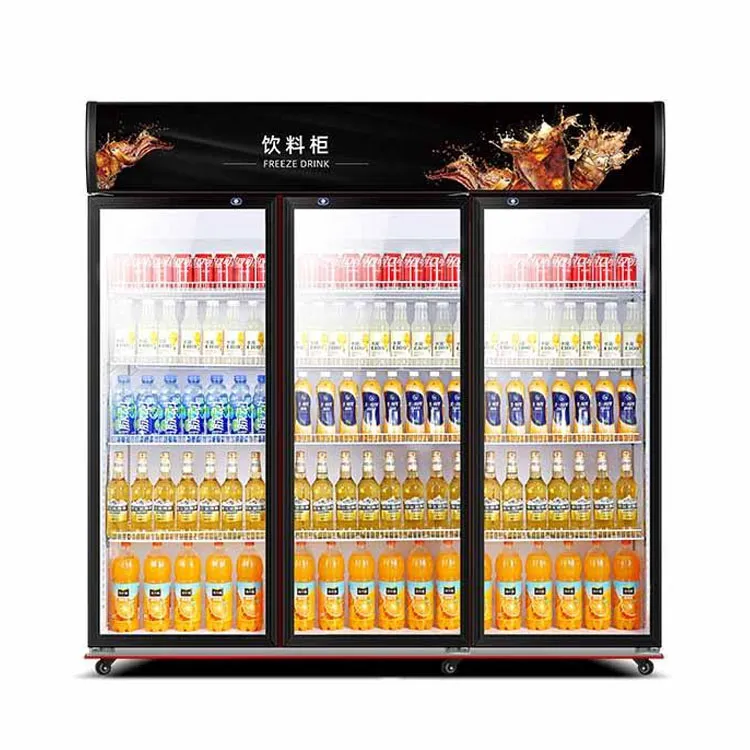
A مبرد المشروبات التجاري يمكنها دعم العديد من بيئات الأعمال بين الشركات (B2B). والنقطة المهمة هي مواءمة الثلاجة مع سير العمل.
السوبرماركت ومحلات البقالة
تُعد ثلاجة عرض المشروبات العمودية أو ثلاجة المشروبات التجارية متعددة الأبواب خيارًا مناسبًا لتخزين المياه المعبأة في زجاجات، والمشروبات الغازية، والعصائر، ومشروبات الألبان، ومشروبات الطاقة، والمنتجات الجاهزة للشرب.
غالبًا ما تتميز المتاجر الصغيرة بمساحة أرضية محدودة، لكن معدل دوران المشروبات فيها مرتفع.
تستغل ثلاجة المشروبات التجارية العمودية المساحة الرأسية بكفاءة، مع عرض المنتجات مباشرةً أمام المتسوقين.
يجوز للمطعم استخدام:
قد يحتاج المقهى إلى ثلاجة تجارية لتخزين المشروبات مثل المياه المعبأة في زجاجات، والعصير، والحليب، والمشروبات الغازية، والقهوة الجاهزة للشرب.
قد يحتاج فندق واحد إلى عدة أنواع من ثلاجات المشروبات:
تختلف الوحدة الصغيرة الحجم المناسبة لغرفة فندق اختلافًا كبيرًا عن الثلاجة المستخدمة في مطعم إفطار مزدحم.
قد يضم البار ما يلي:
قد تستخدم عمليات البحث عن «بار منزلي» أو «مطبخ منزلي» أو «بار» مصطلحات مشابهة على الإنترنت، لكن تركيز شركة «سينليسي» على قطاع الأعمال التجارية بين الشركات (B2B) يتطلب من المشترين إيلاء اهتمام أكبر لدورة التشغيل، وإمكانية الوصول إلى خدمات الصيانة، وقطع الغيار، وظروف التشغيل.
أن مبرد مشروبات خارجي يجب أن تكون مصنفة للاستخدام في الهواء الطلق بما يتناسب مع البيئة المقصودة.
لا ينبغي ببساطة وضع ثلاجة عادية مخصصة للاستخدام الداخلي في مطبخ خارجي.
يجب على المشترين التأكد مما يلي:
For coastal resorts, corrosion-resistant construction can be particularly important.
Searching for the best beverage refrigerators is easy.
Buying the right commercial equipment is more complex.
Importers, distributors, supermarket groups, chain restaurants, hotel developers, beverage retailers, and institutional buyers need to evaluate much more than a product image or unit price.
At Senlisi, we recommend starting with an application brief.
Tell the Manufacturer:
سينليسي is a global commercial refrigeration manufacturer and exporter based in Qingdao, China. We provide commercial refrigerators, freezers, display cabinets, and customizable refrigeration solutions for international B2B customers.
Our target applications include:
Depending on the project and model, customization can address:
For a distributor, the goal may be to build a complete product line rather than buy one standalone beverage refrigerator.
That is why we focus on the application first.
The terms often overlap. A beverage cooler usually emphasizes chilling and displaying packaged drinks, while a beverage refrigerator emphasizes refrigerated storage. For B2B buying, compare operating temperature, cooling recovery, capacity, glass construction, ventilation, energy use, and commercial duty rather than relying on the name.
A beverage fridge can take over drink storage and free useful space in the main refrigerator, but it may not replace a food-storage refrigerator. Food can require different sanitation standards, temperatures, shelving, and storage conditions.
Only when the manufacturer confirms that the installation provides adequate ventilation. Many freestanding beverage fridges require side or rear airflow. For enclosed installation, a suitable front-venting built-in or undercounter model is usually more appropriate.
Yes, when the refrigerator is designed for commercial environments. The glass door improves visibility and can support merchandising. Buyers should compare glazing, anti-condensation design, door gaskets, hinges, lighting, temperature recovery, and energy consumption.
The ideal temperature depends on the beverage. Water, soda, juice, dairy drinks, beer, and wine may need different storage or serving temperatures. Choose a refrigerator with reliable controls and follow product-manufacturer and food-safety guidance where applicable.
A dual-zone beverage center can be useful when wine and general drinks need different temperatures. For a retail cabinet holding only soda, water, and packaged drinks, one temperature zone may be simpler and more economical.
2026-10
Compare bar coolers, back bar and undercounter designs, beer temperature needs, glass door…
2026-09
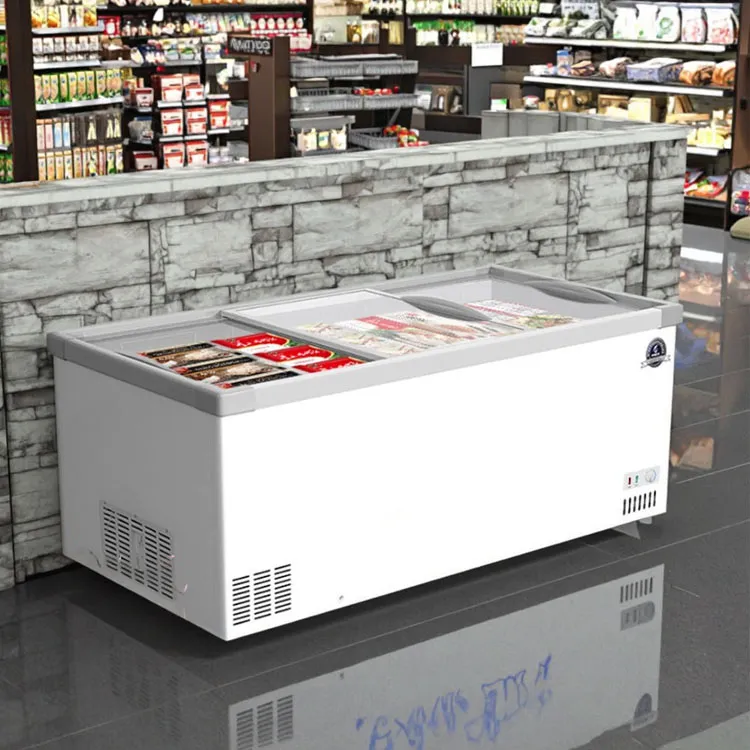
The SLS-ZD1860 Combo Island Cabinet measures 1860 × 810 × 800 mm and lists a temperature r…
سنرد عليك في غضون 24 ساعة. إذا كان للحالة العاجلة، يرجى إضافة واتساب/وي شات: +8617806295551. أو اتصل على +8617806295551/+8617660987312 مباشرة.
*نحن نحترم سريتك وجميع معلوماتك محمية.
لن نستخدم معلوماتك إلا للرد على استفسارك ولن نرسل أبداً رسائل بريد إلكتروني غير مرغوب فيها أو رسائل ترويجية.