






Commercial Refrigerated Beverage Cabinets: Back Bar Cabinets, Beverage Fridges & Display Solutions
A poorly planned beverage area can create more than a storage problem. Warm drinks, limite…

 09:37
09:37 A poorly chosen beverage cooler fridge can waste energy, limit product visibility, and struggle during busy service hours. These problems grow when doors open often or ambient temperatures rise. The solution is to select a commercial unit based on capacity, cooling performance, installation type, display needs, and daily operating conditions.
A beverage cooler fridge is a refrigerator designed to keep bottled and canned drinks cold, organized, and easy to access. For commercial use, choose a model with stable temperature control, suitable storage capacity, strong airflow, adjustable shelves, an efficient compressor, and a door configuration that matches your supermarket, restaurant, bar, café, hotel, or retail space.
A réfrigérateur à boissons is a specialized refrigeration cabinet used to store and display cold drinks. It may hold bottled water, soft drinks, juice, energy drinks, dairy beverages, canned coffee, beer, or other packaged products. Unlike a basic household appliance, a commercial model must handle frequent door openings, larger product loads, and longer daily operating hours.
Depending on the application, buyers may also call this equipment a beverage refrigerator, beverage fridge, drink cooler, glass door cooler, bottle cooler, or commercial beverage cooler. Although the names overlap, the correct product configuration depends on where the equipment will operate and what it will store.
At Senlisi, we approach beverage refrigeration as part of a complete commercial system. A convenience store may need a tall glass door merchandising unit. A café may prefer a compact undercounter model. A hotel may require a quiet mini fridge, while a busy bar may need a high-capacity back-bar refrigerator with fast product access.
The main purposes of a commercial beverage cabinet are simple:
A suitable cooler should do all six without placing unnecessary pressure on your electricity bill or staff.
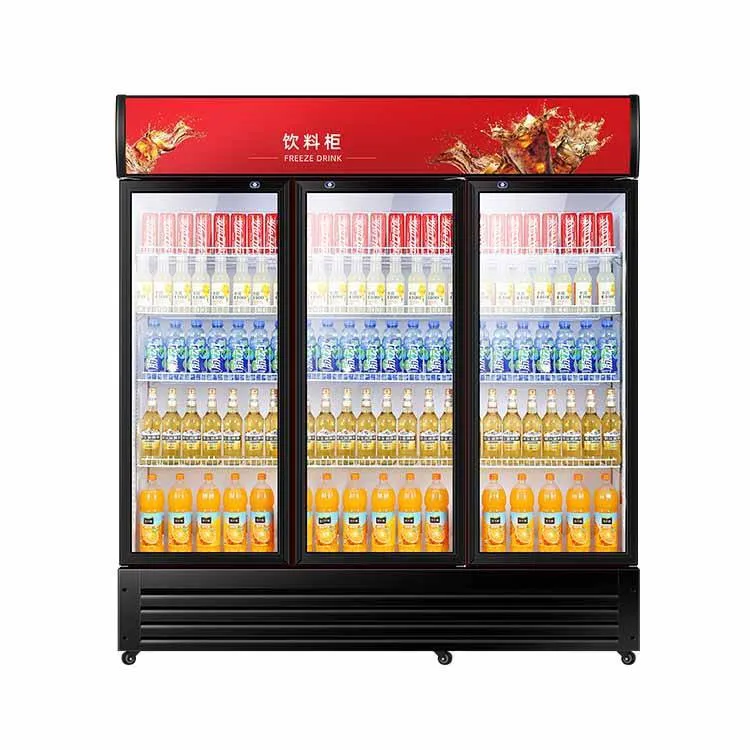
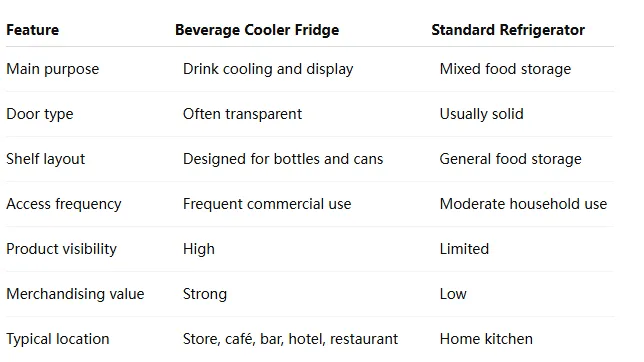
A standard refrigerator often stores many types of food. It may include drawers, freezer compartments, solid doors, and shelf layouts designed for household use. A commercial beverage cabinet focuses more closely on drink storage, product presentation, airflow, and frequent access.
A typical beverage fridge with glass door allows customers or staff to see the contents before opening it. This helps reduce searching time and unnecessary door openings. It also turns the cabinet into a merchandising tool, which is important for supermarkets, grocery stores, beverage retailers, cafés, hotel shops, and convenience chains.
The internal layout is another major difference. Beverage cabinets often use flat or angled shelves that suit bottles and cans. A small refrigerator with adjustable shelves can be changed to fit different package heights, while a large merchandising cabinet can hold several beverage categories at once.
Commercial refrigeration equipment must also work reliably in demanding environments. ENERGY STAR notes that commercial refrigerators are designed for operating conditions such as warm kitchens and frequent door openings. Certified commercial models are, on average, around 20% more energy efficient than standard models, although actual savings depend on the cabinet type and operating conditions.
There is no single best cabinet for every business. The right beverage refrigerator depends on floor space, daily sales, package size, door-opening frequency, display requirements, and whether customers will serve themselves.
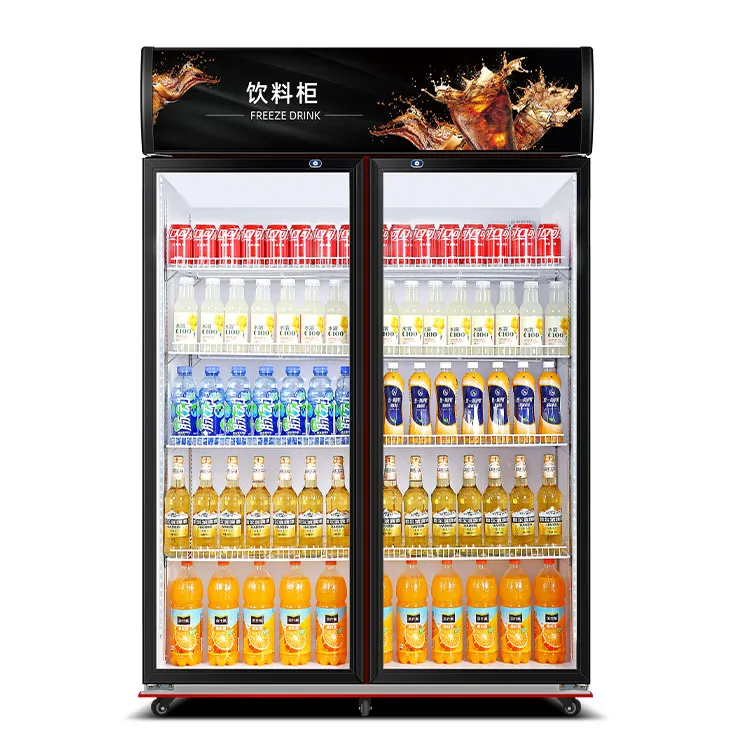
An upright unit offers strong product visibility and a large vertical display area. It works well in supermarkets, convenience stores, grocery shops, cafeterias, petrol stations, hotel stores, and beverage retail outlets.
Common configurations include:
A tall commercial beverage refrigerator can display many products without using as much floor width as several small cabinets.
An undercounter model fits below a work surface or service counter. It is useful in cafés, bars, restaurants, hotel lounges, reception areas, and compact commercial kitchens.
Search terms such as beverage coolers under counter, undercounter beverage coolers, built-in beverage cooler, and undercounter beverage center may describe similar products. However, installation requirements can vary. Some units need clear ventilation around the sides and back, while a true front-venting model may support built-in installation.
A countertop display unit places products near the customer’s eye level. It works well for bottled drinks, desserts, grab-and-go products, and impulse purchases.
Its compact size is useful where floor space is limited, but buyers should check usable internal volume rather than judging capacity only from the cabinet’s outer dimensions.
A back-bar cabinet places cold drinks within easy reach of bartenders. It may include hinged doors, sliding doors, stainless steel surfaces, or glass-front sections.
A dedicated beer fridge can improve service speed in bars, pubs, restaurants, clubs, resorts, and event venues. For heavy commercial use, buyers should focus on recovery performance after repeated door openings rather than selecting a model only by appearance.
A compact unit may suit hotel rooms, offices, meeting rooms, small cafés, reception areas, or low-volume service points. Search phrases such as compact mini fridge, mini fridge glass door, mini fridge cooler, and freestanding small drink fridge often describe this category.
A product marketed as a 3.2 cu.ft mini fridge may be useful for small spaces, but gross cabinet volume does not always equal usable capacity. Compressor housing, shelf spacing, bottle orientation, and air circulation can reduce the actual loading area.
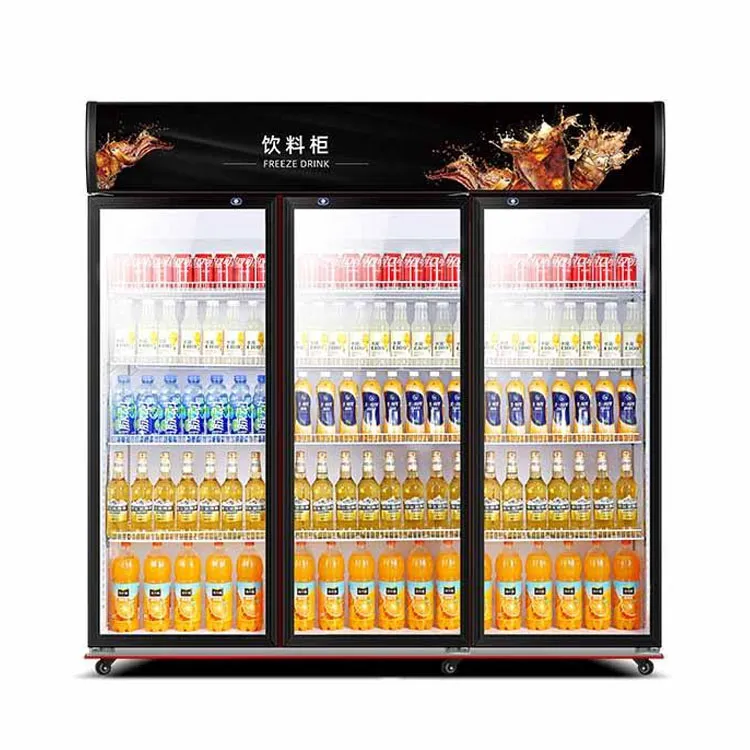
A freestanding refroidisseur de boissons is designed to stand with suitable clearance around the cabinet. It offers flexible placement and may be easier to move when a shop layout changes. This configuration is common in retail stores, offices, restaurants, hotel rooms, and temporary service areas.
A built-in beverage cabinet is installed within furniture, counters, or fitted cabinetry. A true built-in beverage cooler normally needs a ventilation design that allows heat to escape without relying on wide side clearances. Front ventilation is common, but specifications must be confirmed for each model.
A freestanding beverage refrigerator with glass doors should not automatically be enclosed inside cabinetry. Poor ventilation can increase condensing temperature, energy consumption, and compressor stress.
Likewise, a product described as a 24 inch beverage refrigerator may refer mainly to cabinet width. Buyers still need to verify depth, door clearance, ventilation space, electrical requirements, and access for maintenance.
For an international project, provide your supplier with:
These details help a manufacturer recommend the correct freestanding beverage refrigerator, undercounter unit, or built-in undercounter beverage center.
Capacity should be based on daily demand, peak-hour demand, delivery frequency, package dimensions, and replenishment habits. A cabinet that is too small creates constant restocking work. A cabinet that is too large may use more space and electricity than the business needs.
Consumer-oriented product descriptions sometimes use phrases such as 130 can beverage refrigerator cooler or “cans or 12 wine bottles.” These figures can be useful as rough references, but they depend heavily on the container size, shelf arrangement, and testing method.
Commercial buyers should ask for more practical information:
A simple capacity method
Use the following planning formula:
Required display stock = average hourly sales × peak replenishment interval × safety factor
For example, a convenience store sells an average of 45 cold drinks per hour. Staff restock every three hours, and the business uses a safety factor of 1.25:
45 × 3 × 1.25 = approximately 169 drinks
The store should therefore select a cabinet that can hold at least 169 units in its intended package mix, plus enough space for proper internal airflow.
This is an illustrative planning guide rather than a fixed product standard. A store selling 500 ml bottles needs a different shelf arrangement from a business selling slim cans or small juice cartons.
A well-planned cans beverage refrigerator should leave space around products. Filling every gap may look efficient, but blocked airflow can lead to uneven cooling.
The ideal temperature depends on the drink. Bottled water, soft drinks, juice, energy drinks, beer, wine, and dairy beverages may have different serving or safety requirements.
For many sealed non-alcoholic drinks, businesses commonly use a moderate refrigerated setting that keeps products cold without freezing them. However, the product label, local regulations, and beverage supplier’s instructions should guide the final setting.
A commercial cabinet should provide stable temperature control, not only a low temperature reading. Important factors include:
For beverages containing milk or other temperature-sensitive ingredients, food safety rules become more important. The FDA Food Code materials identify 5°C or 41°F as an important upper cold-holding point for many time-and-temperature-controlled foods. Local laws may differ, so operators should confirm the rules that apply to their products and market.
A wine cooler or wine refrigerator may operate differently from a standard beverage cabinet. Wine is sensitive not only to temperature but also to vibration, light, bottle position, and humidity. A small wine fridge may therefore use different controls and shelving from a soda cooler.
A dual zone wine and beverage refrigerator can maintain separate areas for wine bottles and general drinks. This is useful when a hotel, restaurant, or home bar needs both wine and beer storage. In a commercial project, confirm whether each zone has independent sensors, airflow, and temperature settings.
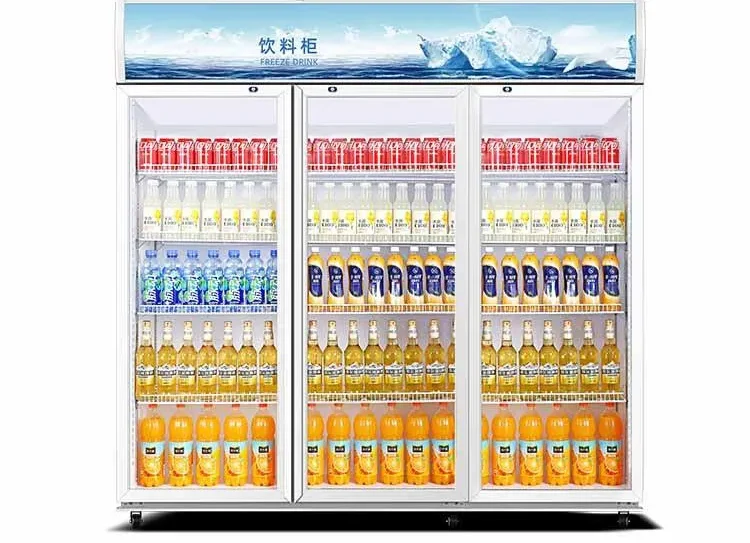
A glass door turns cold storage into a product display. Customers can identify drinks before opening the cabinet, while staff can check stock levels quickly. This improves the overall beverage experience and can support impulse sales.
For retail applications, buyers should examine more than transparency. The door system may include:
A mini fridge with glass door may look attractive in a hotel room or office. However, a commercial retailer should compare glazing performance, condensation control, door durability, lighting, and gasket replacement availability.
Shelves are equally important. Adjustable shelves allow operators to change the cabinet for tall bottles, slim cans, milk containers, juice cartons, or mixed packages. Strong shelf supports also reduce bending under heavy loads.
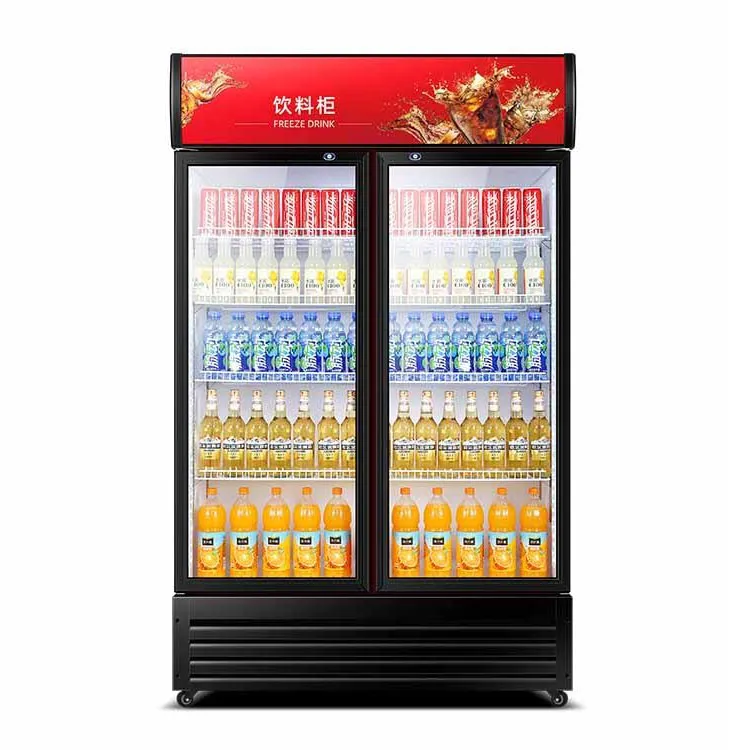
Wire shelves usually support better air circulation and are common in commercial equipment. Glass shelves create a smooth appearance and can catch small spills, but they may restrict airflow if the cabinet was not designed for them.
The correct choice depends on the product:
Lighting also affects presentation. Internal LEDs can make label colors easier to see while producing less heat than many traditional lighting systems. Buyers should ask whether lighting is individually controlled and easy to replace.
Purchase price is only one part of the cost. A refrigerator may operate every day for many years, so electricity use, maintenance, spare parts, and product losses can have a major effect on total ownership cost.
ENERGY STAR reports that certified commercial refrigerators and freezers are, on average, about 20% more energy efficient than standard models. The program also identifies features such as efficient compressors and improved fan motors as contributors to lower energy use.
However, certification requirements vary by country and product category. Buyers should not assume that every beverage cabinet qualifies for the same program. Instead, request the following data from the supplier:
Le best beverage refrigerators are not always the models with the highest capacity or the most features. The best unit is the one that fits the workflow.
Supermarchés et épiceries
A supermarket normally needs strong visibility, large storage capacity, bright lighting, and easy restocking. Upright beverage display coolers, multi-door cabinets, and remote or self-contained merchandising units may be suitable.
Key priorities include:
Convenience stores often have limited floor space but high drink turnover. A tall beverage cooler refrigerator can use vertical space efficiently. Sliding doors may help in narrow aisles, while hinged self-closing doors may reduce the chance of doors remaining open.
Restaurants may use a glass door unit for customer-facing sales and an undercounter cabinet for service preparation. A café may need a beverage fridge for soda, bottled water, milk, juice, and ready-to-drink coffee.
The front-of-house cabinet should look clean and attractive. The back-of-house unit should prioritize fast access and easy maintenance.
A bar may combine a back-bar cooler, wine storage cabinet, and ice machine. A hotel may require compact room refrigerators, lobby display coolers, minibar equipment, or beverage centers for conference areas.
A stainless steel beverage fridge can suit a professional bar or kitchen because its exterior is durable and easy to clean. A dual zone cabinet may be useful where different drink categories need different settings.
Offices, hospitals, schools, government facilities, and public organizations may need simple operation, locks, easy cleaning, and reliable after-sales support. A compact fridge for bedroom use is not automatically suitable for an institutional environment, even when the size appears convenient.
An outdoor beverage refrigerator must be designed for the intended conditions. A normal indoor unit should not simply be placed outside.
Les acheteurs doivent vérifier :
For coastal hotels and resorts, corrosion resistance may deserve special attention because salt-laden air can affect metal surfaces and components.
A B2B order involves more than choosing a photo from a catalogue. Importers, distributors, supermarket groups, hospitality operators, and project contractors need to confirm whether the supplier can support the full product lifecycle.
At Senlisi, we recommend starting with the operating scenario. Tell us where the cabinet will be used, what it will store, how often the doors will open, and what local electrical or regulatory requirements apply. This gives the project a stronger technical foundation.
Ask the manufacturer:
B2B buyers should also confirm:
Consider a beverage distributor planning equipment for a chain of 30 convenience stores. The buyer first asks for one “large drinks fridge.” After reviewing the project, the requirement becomes more precise:
This example is illustrative, not a claimed Senlisi customer case. It shows why detailed specifications create a better result than a general product name.
Senlisi is based in Qingdao, China, and supplies commercial refrigeration equipment for global B2B applications. Our product direction includes commercial refrigerators, freezers, display cabinets, and customizable refrigeration solutions for supermarkets, foodservice businesses, hospitality operators, medical facilities, retailers, distributors, and institutional projects.
Senlisi serves global B2B buyers that need reliable, efficient, and configurable commercial refrigeration equipment. Our customers include importers, distributors, retailers, supermarket operators, restaurants, cafés, hotels, resorts, healthcare organizations, and institutional purchasing teams.
We understand that each market has different requirements. Cabinet dimensions, electrical systems, climate conditions, packaging, door styles, shelf layouts, branding, and documentation may all need to change.
Our goal is to help buyers move from a broad request—such as “we need a commercial beverage cabinet”—to a clear product specification that can support quotation, sampling, production, inspection, delivery, installation, and long-term use.
Depending on the project and available configuration, customization may include:
When you contact Senlisi, provide your destination market, application, preferred dimensions, beverage types, estimated quantity, and installation conditions. This allows our team to recommend a more suitable solution and prepare a clearer commercial proposal.
The terms often describe similar equipment. A beverage cooler may emphasize drink chilling and display, while a beverage refrigerator may emphasize refrigerated storage. In commercial procurement, compare temperature range, capacity, door system, airflow, energy use, and installation requirements rather than relying only on the product name.
Only when the manufacturer confirms that the installation provides enough ventilation. Many freestanding beverage fridges release heat through the sides or back. Enclosing them may reduce performance and shorten component life. Choose a front-venting undercounter model for a fully built-in installation.
The correct setting depends on the beverage. Packaged water and soft drinks mainly need a stable, cold serving temperature. Juice, milk, and other temperature-sensitive products must follow label instructions and local food safety rules. Beer and wine may require different serving ranges.
It can be suitable for low-volume applications when it is designed and rated for the operating environment. A household mini beverage cabinet may not withstand frequent commercial door openings, warm ambient temperatures, or continuous heavy loading.
Glass increases heat transfer compared with a well-insulated solid door, but modern glazing, efficient lighting, good gaskets, and anti-condensation design can improve performance. In retail, the merchandising value of a transparent door may justify the difference.
There is no single lifespan for every unit. Operating hours, ambient temperature, cleaning, ventilation, door use, component quality, maintenance, and access to spare parts all affect service life. Regular condenser cleaning and timely gasket replacement can help protect performance.
2026-09
A poorly planned beverage area can create more than a storage problem. Warm drinks, limite…
2026-09
A refrigerator that looks small on a specification sheet may still fail in a real installa…
Nous vous répondrons dans les 24 heures. En cas d'urgence, veuillez ajouter WhatsApp/WeChat : +8617806295551. Ou appelez directement +8617806295551/+8617660987312.
*Nous respectons votre confidentialité et toutes les informations sont protégées.
Nous n'utiliserons vos informations que pour répondre à votre demande et n'enverrons jamais de courriels non sollicités ou de messages promotionnels.