






Commercial Bar Ice Maker: How to Choose the Right Commercial Ice Machine for Your Business
Running out of ice during service is a hidden profit killer. Warm drinks, slow bar speed, …
 17:51
17:51 Running out of ice during service is a hidden profit killer. Warm drinks, slow bar speed, and unhappy guests can damage your brand fast. The fix is simple: choose a commercial ice maker built for steady ice production, smart ice storage, and reliable daily performance.
A commercial bar ice maker is a professional ice machine designed to produce and store ice for bars, restaurants, cafés, hotels, and retail beverage spaces. The right commercial ice machine matches your ice type, daily output, storage needs, and installation space—whether you need undercounter ice, nugget ice, cube ice, or a larger unit with a built-in ice bin. ENERGY STAR says certified commercial ice makers can be about 10% more energy efficient and 20% more water efficient than standard models, and NSF notes NSF/ANSI 12 covers sanitation requirements for automatic ice making equipment.
An ice machine is one of the hardest-working pieces of equipment in a beverage business. If it fails, service slows down immediately. A quality ice maker does more than produce frozen cubes. It protects drink quality, supports workflow, and keeps service steady from opening to closing.
A commercial ice maker is different from a residential unit because it is made for heavy daily demand. It must handle continuous cycles, store enough ice, and fit a professional kitchen, bar, or beverage station. In B2B operations, the goal is not just to make ice. The goal is to produce the right amount, in the right shape, with clean handling and dependable storage.
At Senlisi, we understand that global buyers do not simply want an ice maker machine. They want a complete solution that fits their operation. That is why the discussion should always start with real use cases: cocktail service, coffee drinks, hotel breakfast, self-serve stations, medical refreshment zones, or retail beverage programs.
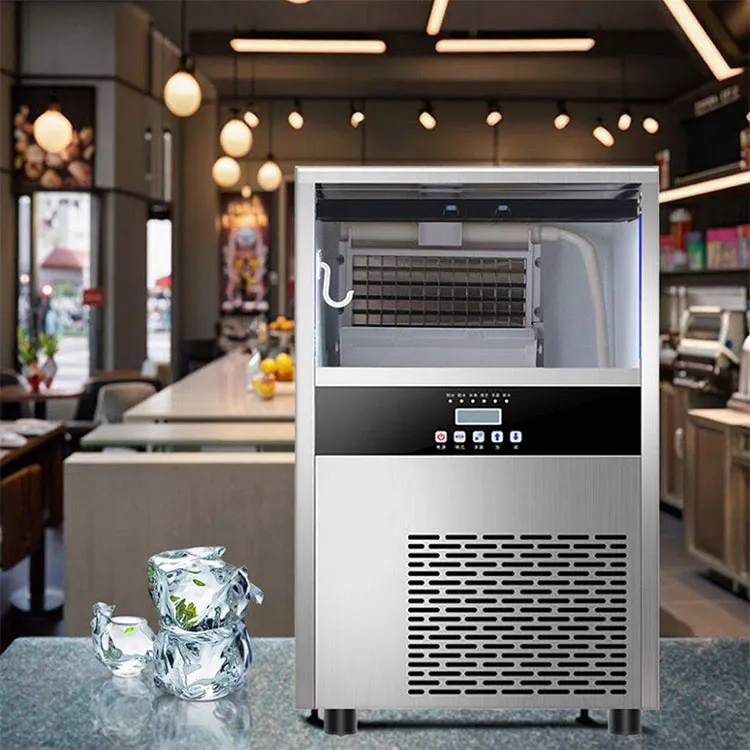
In bars and restaurants, ice is not a small detail. It is a core ingredient. A well-built commercial ice machine supports fast service, stable drink quality, and better customer experience. If the machine cannot keep up, staff lose time, drinks warm too quickly, and service suffers.
This is why commercial ice machines are essential in foodservice. They help operators manage peak periods, keep beverages attractive, and reduce the risk of emergency ice buying from outside suppliers. A dependable commercial ice maker also supports planning. Managers can match the machine to expected rush times, menu needs, and service style.
Ice handling matters too. FDA consumer guidance says ice should be handled with clean utensils like scoops or tongs and stored in clean containers safe for food contact. In professional settings, this reinforces why a clean ice bin, sanitary interior surfaces, and easy-clean access are so important.
A reliable commercial ice maker machine should do three things well: produce clean ice, recover quickly, and stay easy to maintain. Everything else builds from those basics.
Here are the features I recommend buyers review first:
Some buyers also focus on special features like ice thickness adjustment, drain pump options, or bin sensors. These are useful, but core reliability matters more. A machine that makes consistent ice every day is worth more than one with extra functions but weak long-term performance.
This is also where sanitation standards matter. NSF notes that NSF/ANSI 12 establishes minimum food protection and sanitation requirements for automatic ice making equipment and related components used to manufacture, store, dispense, package, and transport ice intended for human consumption. That is a strong reminder that good ice equipment design is not only about output. It is also about hygiene.
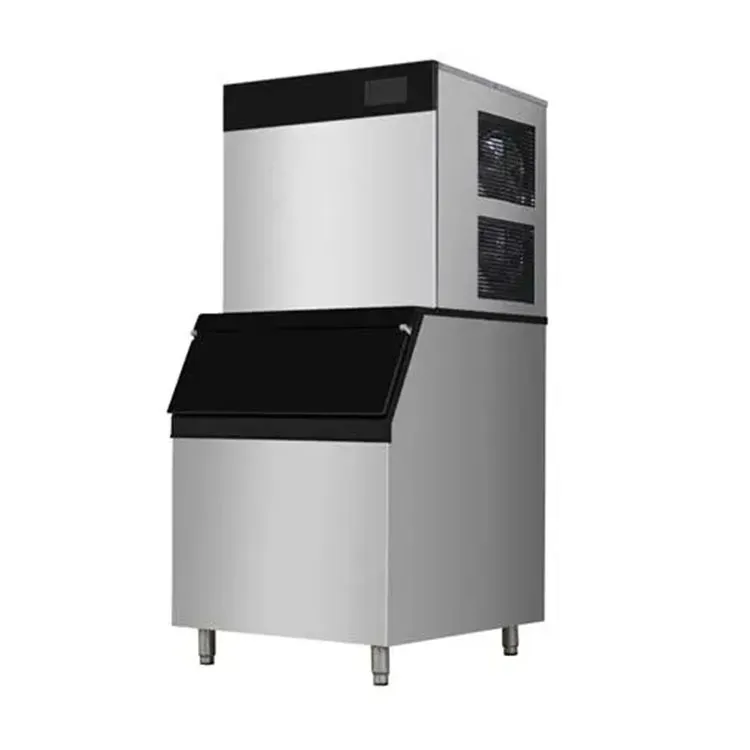
A machine can produce perfect ice and still create problems if the ice bin is poorly designed. Storage and handling shape the final result. If the ice storage bin is awkward to clean, hard to scoop from, or exposed to contamination risk, operators lose time and confidence.
Good ice storage design helps in three ways:
The FDA’s guidance on packaged ice safety includes practical handling advice: use clean scoops or tongs, avoid touching ice with dirty hands or glasses, and store ice in clean containers safe for food. In commercial settings, that logic extends directly to machine design. A good bin should support clean practice naturally.
This matters even more in hospitality, healthcare, and institutional settings, where handling procedures may be stricter. The easier a machine is to clean and use correctly, the better it supports daily operations.
Global B2B buyers rarely need a one-size-fits-all unit. A supermarket chain may need one configuration. A hotel project may need another. A distributor serving tropical markets may care about airflow and durability. A beverage retailer may want branding and cabinet style that match the local market.
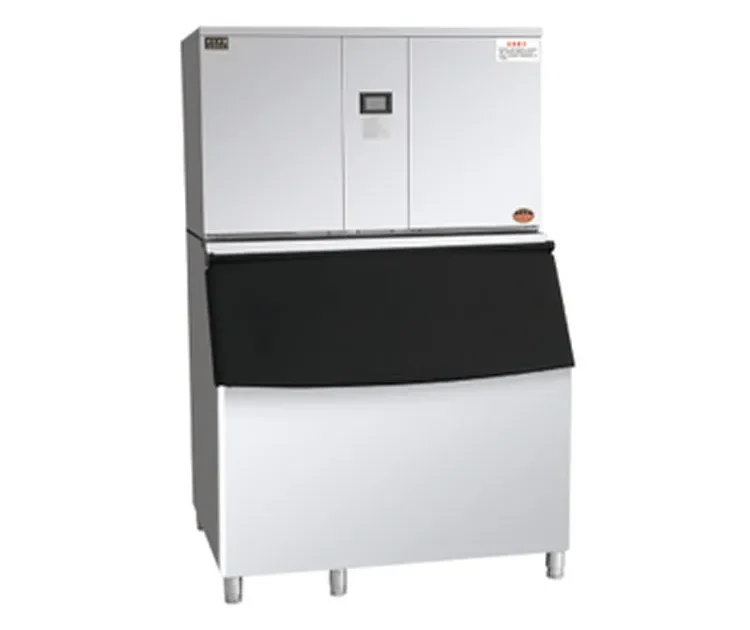
At Senlisi, we see this every day. One buyer may need a compact undercounter ice machine for bars. Another may need a higher-output commercial ice maker machine with a larger storage bin. Some projects need logo branding, local voltage, specific drainage setup, or a different cabinet finish. OEM/ODM work makes those projects more practical.
This is one reason buyers prefer to work directly with a manufacturer. The goal is not just to shop commercial ice equipment. The goal is to build a solution that fits the market, supports the customer’s brand, and performs well over time.
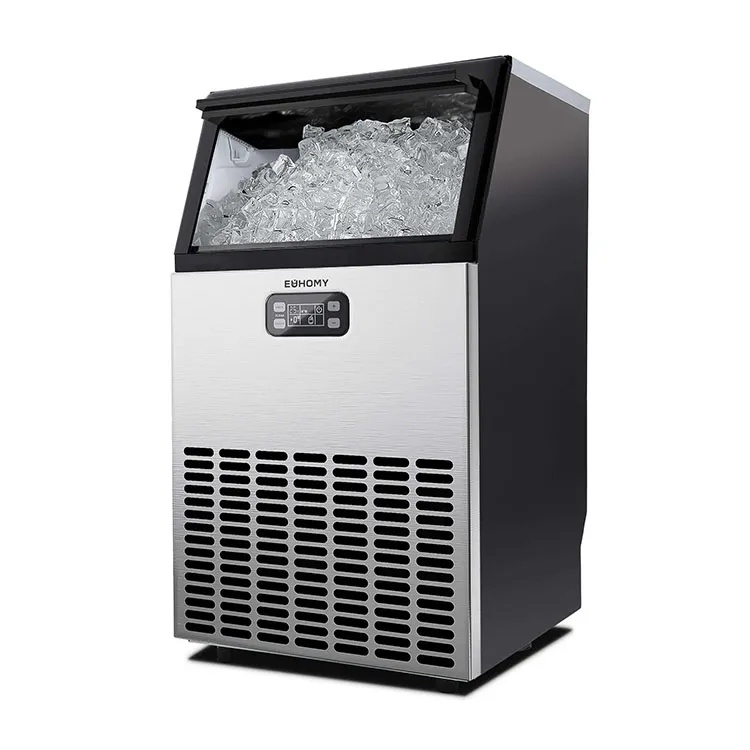
The best way to choose a size ice machine is to start with real operation data:
A small café may only need a compact countertop ice maker or light-capacity undercounter model. A high-volume cocktail bar may need a stronger commercial ice maker with better bin reserve. A hotel or institutional site may need more predictable daily ice output with a focus on hygiene and easy access.
A useful way to think about it is this: do not buy only for average demand. Buy for the busiest reasonable period. That is how you get reliable commercial ice without emergency shortages.
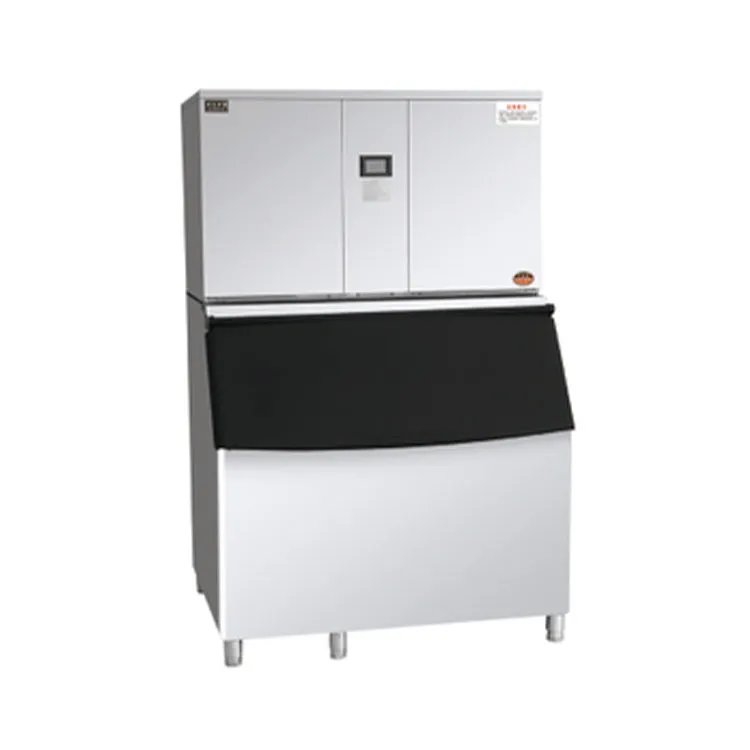
A commercial ice maker is built for heavier daily demand, faster recovery, and stronger long-term use. Residential units are not designed for the same workload or service pace.
Yes. An undercounter ice maker is often ideal for bars because it saves space, keeps ice close to the service zone, and combines production with practical ice storage.
It depends on menu and traffic. Some operations may need around 100 pounds of ice daily, while larger venues need far more. The right answer comes from actual daily ice usage and peak-hour demand.
Because ice is consumed directly. NSF says NSF/ANSI 12 covers food protection and sanitation requirements for automatic ice making equipment.
Yes. ENERGY STAR says certified commercial ice makers can be about 10% more energy efficient and 20% more water efficient than standard models.
A strong commercial ice machine keeps service moving, protects drink quality, and supports better customer experience. Whether you need undercounter ice, a larger ice maker with bin, or a specialty nugget ice maker, the right choice starts with your menu, space, and service pattern.
For global B2B buyers, the best project is not just about making ice. It is about matching the machine to the operation. That is where a manufacturing partner like Senlisi can add real value: reliable engineering, export-ready support, and practical customization for the markets you serve.
2026-03
Running out of ice during service is a hidden profit killer. Warm drinks, slow bar speed, …
2026-03
Cold storage problems can ruin inventory fast. A weak freezer causes product loss, uneven …
We will reply you within 24 hours. If for urgent case, please add WhatsApp/WeChat: +8617806295551. Or call +8617806295551/+8617660987312 directly.
*We respect your confidentiality and all information are protected.
We will only use your information to respond to your inquiry and will never send unsolicited emails or promotional messages.