



Commercial Upright Freezer: How to Choose the Right Commercial Reach-In Freezer for Your Business
Cold storage problems can ruin inventory fast. A weak freezer causes product loss, uneven …
 09:41
09:41 Cold storage problems can ruin inventory fast. A weak freezer causes product loss, uneven temperatures, and daily stress for staff. The answer is simple: choose a commercial upright freezer built for heavy use, stable cooling, and easy access in real business settings.
A commercial upright freezer is a vertical cold-storage unit designed for professional kitchens, supermarkets, retail stores, and foodservice spaces. Compared with residential freezers, it offers stronger cooling, better storage organization, higher durability, and more reliable temperature performance. The right commercial reach-in freezer helps businesses protect frozen food, improve workflow, and reduce long-term operating costs. FDA guidance recommends keeping freezer temperature at 0°F (-18°C) or below for safe frozen storage.
A freezer in a business is more than a cold box. It is part of your daily operation. A good commercial freezer keeps stock safe, organized, and easy to access. In supermarkets, chain restaurants, hotels, and institutional kitchens, frozen storage supports smooth service and protects margins.
A commercial upright freezer stands vertically, which makes it easy to load, sort, and reach products on shelves. This is why many buyers prefer reach-in freezers over bulk floor-level options. Staff can open the door, see inventory quickly, and close it fast. That helps maintain a consistent temperature and improves working speed.
From our manufacturing experience, buyers usually want four things first: reliable cooling, durable materials, practical storage, and easy cleaning. Those needs sound simple, but they shape everything from cabinet layout to door design and compressor selection. A well-designed commercial reach-in freezer meets all four.
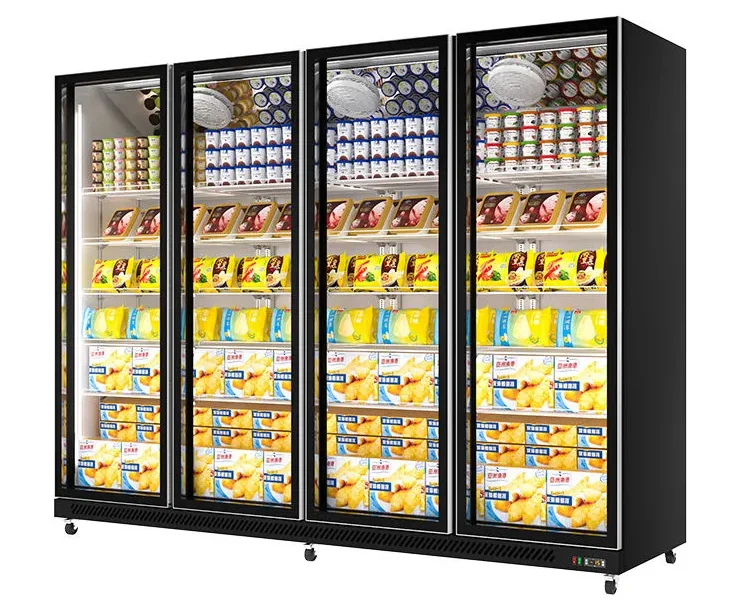
There are several types of commercial freezers, and each fits a different operation. The most common are upright cabinets, undercounter models, glass-door merchandisers, combo units, and deep storage units.
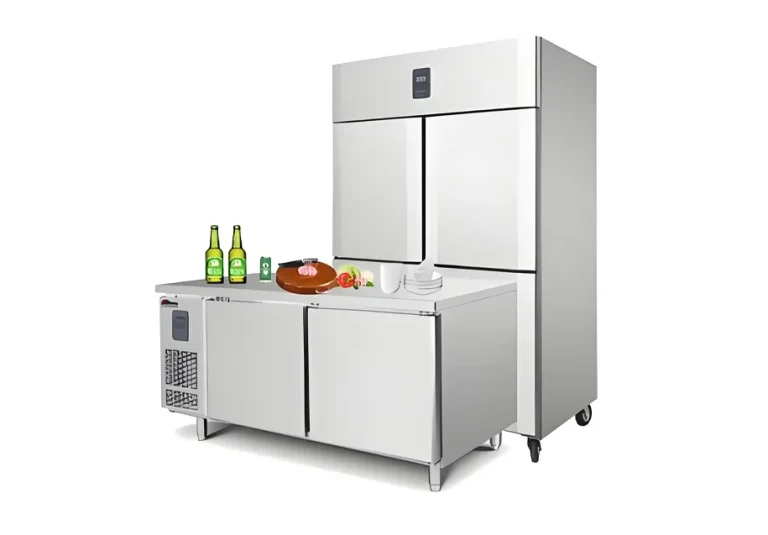
An upright commercial freezer is the standard for restaurants, hotels, and institutional kitchens. A commercial undercounter freezer fits smaller prep stations where floor space is tight. A merchandiser freezer uses a glass door to display packaged food, desserts, or frozen retail items. A freezer combo or fridge freezer unit can help small operators manage both chilled and frozen stock in one footprint.
For large-scale operations, the choice may also include a deep freezer or industrial cabinet. These solutions prioritize capacity. For front-of-house retail, the focus shifts toward visibility and presentation. That is why understanding the use case matters more than simply picking the biggest cabinet.
In a commercial kitchen, materials matter. A freezer is opened, cleaned, loaded, and moved every day. That is why stainless steel remains one of the best choices for professional equipment. It is durable, easy to clean, and better suited to demanding workflows.
A stainless steel commercial cabinet also looks more professional and holds up well in wet, fast-moving, high-traffic environments. Shelves, liners, work surfaces, and exterior panels all benefit from corrosion resistance. Over time, this supports lower maintenance and better hygiene.
Many buyers ask whether painted steel can save money. Sometimes it can. But for long-term commercial use, stainless steel usually delivers stronger value. In restaurants, institutions, and food processing areas, that extra durability often pays for itself.
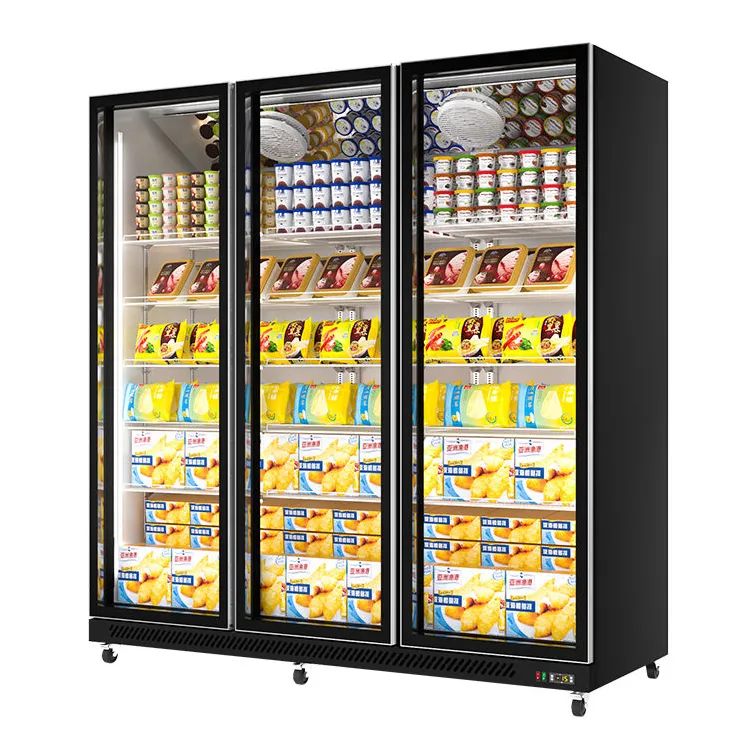
These three features are the heart of a freezer’s daily performance. The compressor drives cooling power. Fan cooling helps distribute cold air evenly. The defrost system prevents excessive frost buildup and keeps the cabinet working efficiently.
A good freezer must hold a consistent temperature from top to bottom. That sounds basic, but it is one of the most important factors in food storage. Poor airflow creates hot spots. Weak components force the unit to work harder. In a demanding kitchen environment, that leads to stress, waste, and higher energy use.
Some buyers specifically look for solid door upright fan cooling systems because they combine good airflow with efficient insulation. Others compare manual defrost with automatic systems. Automatic solutions save labor, while manual options may still appeal in some specialty use cases. The right choice depends on workload, labor patterns, and product type.
Cabinet size should follow your product flow, not guesswork. A one door or single door cabinet is often enough for smaller cafes, compact prep spaces, or lower-volume outlets. A 2 door unit fits many restaurants and grocery back rooms. A 3 door cabinet is better for high-volume operations that need larger zones for separated items.
Capacity is often described by cubic feet. Buyers might compare a 23 cu.ft cabinet, a 36 cu.ft model, or a larger commercial freezer 49 cu.ft stainless option. You may also see descriptions like freezer 49 cu.ft stainless steel. These size references are useful, but they only tell part of the story. Shelf spacing, pan fit, and interior layout matter too.
If you sell many categories of frozen stock, larger cabinets help organization. If your menu is tighter, smaller cabinets may be enough. The best choice balances storage capacity, working space, and traffic flow.
An undercounter freezer is excellent when space is limited and staff need frozen stock right under the prep line. It works well in bars, cafes, dessert stations, and compact kitchens. The cabinet stays close to the work area and supports quick access.
An upright freezer, on the other hand, is better when capacity and organization matter more than footprint height. It gives better visibility and often higher usable volume than an undercounter cabinet. This makes it a practical main storage solution in many commercial spaces.
So which is better? For many operations, the answer is both. Use an undercounter freezer where speed matters most, and use a larger commercial upright freezer for general storage. This layered approach improves workflow and reduces unnecessary steps.
What Should Buyers Know About Energy Efficiency and Food Safety?
A freezer should not only cool well. It should cool efficiently. ENERGY STAR says certified commercial refrigerators and freezers are, on average, 20% more energy efficient than standard models. That can make a real difference over years of operation, especially in multi-site chains or facilities with many cabinets.
Food safety is just as important. FDA guidance states that freezers should be kept at 0°F (-18°C) or below. That means the temperature control system in your commercial unit is not just a convenience feature. It is part of your safety plan. Stable cooling protects product quality and helps maintain compliance.
NSF notes that NSF/ANSI 7 covers food protection and sanitation requirements for commercial refrigerators and storage freezers, including reach-in, undercounter, walk-in, display, and beverage units. For buyers, that is a reminder to look beyond size and price. Good design, sanitation, and performance standards matter.
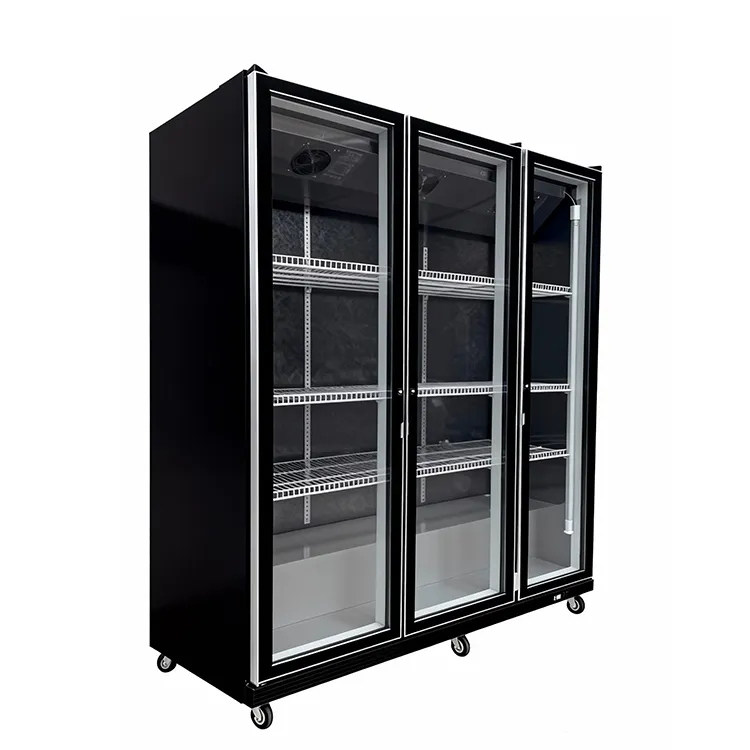
Senlisi serves global B2B buyers that need dependable, export-ready cold storage solutions. That includes supermarkets, chain restaurants, hotels, medical facilities, frozen-food distributors, beverage retailers, and institutional buyers. In those projects, the needs are clear: strong cooling, stable quality, energy performance, and practical customization.
A buyer may need a commercial reach-in freezer for a restaurant chain, a merchandiser freezer for retail display, or a custom cabinet for mixed frozen inventory. Some need black exterior styling. Some need white interiors, tropicalized systems, or different voltages. This is where a manufacturing partner adds real value.
At Senlisi, the goal is not just to ship a freezer for sale. The goal is to match cabinet design to the customer’s market and workflow. That is especially important in global business, where climate, power setup, product mix, and branding needs can vary widely.
A commercial freezer is built for heavier daily use, faster recovery after door openings, and stronger durability. Residential freezers are not designed for the same workload or service speed.
It depends on the application. A glass door model is better for display and product visibility. A solid door model is usually better for back-of-house efficiency and insulation.
A commercial reach-in freezer is a vertical cabinet with front doors and shelves that allow easy access to frozen stock. It is common in restaurants, hotels, and foodservice storage rooms.
For daily access and organized storage, yes. Reach-in freezers usually work better in a busy kitchen. A chest freezer is often better for bulk backup storage.
FDA guidance says a freezer should be kept at 0°F (-18°C) or below for safe storage.
Yes. ENERGY STAR says certified commercial refrigerators and freezers are on average 20% more energy efficient than standard models.
The right commercial upright freezer helps protect inventory, improve workflow, and support better daily operations. Whether you need a single door cabinet for a small prep zone, a 2 door unit for a restaurant, or a larger 3 door model for high-volume service, the best choice is the one that fits your real workflow.
For global B2B buyers, the goal should be simple: choose a commercial freezer that delivers stable cooling, strong build quality, practical storage, and long-term efficiency. That is exactly where a trusted manufacturing partner matters.
2026-03
Cold storage problems can ruin inventory fast. A weak freezer causes product loss, uneven …
2026-03
A commercial refrigerator and freezer are specialized refrigeration equipment built to sto…
We will reply you within 24 hours. If for urgent case, please add WhatsApp/WeChat: +8617806295551. Or call +8617806295551/+8617660987312 directly.
*We respect your confidentiality and all information are protected.
We will only use your information to respond to your inquiry and will never send unsolicited emails or promotional messages.