






How to Choose a Commercial Back Bar Cooler or Glass Door Beverage Refrigerator
Compare bar coolers, back bar and undercounter designs, beer temperature needs, glass door…
 17:51
17:51 Servis sırasında buzun bitmesi, kârınızı gizlice azaltan bir faktördür. Ilık içecekler, yavaş servis hızı ve memnuniyetsiz müşteriler markanıza hızla zarar verebilir. Çözüm çok basit: Sürekli buz üretimi, akıllı buz depolama ve güvenilir günlük performans için tasarlanmış bir endüstriyel buz makinesi seçin.
Ticari bar buz makinesi, barlar, restoranlar, kafeler, oteller ve perakende içecek satış noktaları için buz üretmek ve depolamak üzere tasarlanmış profesyonel bir buz makinesidir. Doğru ticari buz makinesi, tezgah altı buz, nugget buz, küp buz veya yerleşik buz hazneli daha büyük bir üniteye ihtiyacınız olsun, buz türünüze, günlük üretim kapasitenize, depolama ihtiyaçlarınıza ve kurulum alanınıza uygun olmalıdır. ENERGY STAR, sertifikalı ticari buz makinelerinin standart modellere göre yaklaşık daha enerji verimli ve daha su verimli olabileceğini belirtirken, NSF ise NSF/ANSI 12 standardının otomatik buz yapma ekipmanları için hijyen gerekliliklerini kapsadığını belirtmektedir.
Buz makinesi, içecek sektöründe en yoğun çalışan ekipmanlardan biridir. Arıza yapması durumunda hizmet anında aksar. Kaliteli bir buz makinesi, sadece buz küpleri üretmekle kalmaz. İçeceklerin kalitesini korur, iş akışını destekler ve açılış saatinden kapanış saatine kadar hizmetin kesintisiz devam etmesini sağlar.
Ticari bir buz makinesi, yoğun günlük talebe uygun olarak tasarlandığı için ev tipi cihazlardan farklıdır. Sürekli çalışma döngülerine dayanabilmeli, yeterli miktarda buz depolayabilmeli ve profesyonel mutfak, bar veya içecek istasyonuna sığabilmelidir. B2B operasyonlarında amaç sadece buz yapmak değildir. Amaç, doğru miktarda, doğru şekilde, temiz bir şekilde işlenmiş ve güvenilir bir şekilde depolanmış buz üretmektir.
Senlisi olarak, küresel alıcıların sadece bir buz makinesi. İşletmelerine uygun kapsamlı bir çözüm arıyorlar. Bu nedenle tartışma her zaman gerçek kullanım senaryolarıyla başlamalıdır: kokteyl servisi, kahve içecekleri, otel kahvaltısı, self-servis istasyonları, sağlık kurumlarındaki ikram alanları veya perakende içecek programları.
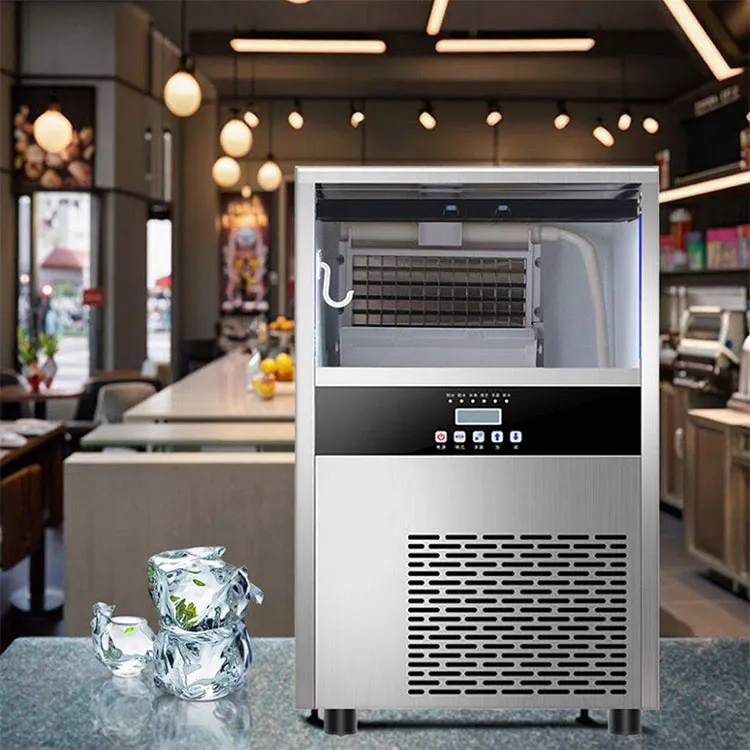
Bar ve restoranlarda buz, önemsiz bir ayrıntı değildir. Tam tersine, temel bir bileşendir. İyi tasarlanmış bir endüstriyel buz makinesi, hızlı servis, istikrarlı içecek kalitesi ve daha iyi bir müşteri deneyimi sağlar. Makine bu talebi karşılayamazsa, personel zaman kaybeder, içecekler çok çabuk ısınır ve hizmet kalitesi düşer.
Bu nedenle ticari buz makineleri, gıda hizmetleri sektöründe vazgeçilmezdir. Bu makineler, işletmecilerin yoğun dönemleri yönetmelerine, içeceklerin cazibesini korumalarına ve dış tedarikçilerden acil buz satın alma riskini azaltmalarına yardımcı olur. Güvenilir bir ticari buz makinesi, planlama sürecini de destekler. Yöneticiler, makineyi beklenen yoğun saatlere, menü ihtiyaçlarına ve hizmet tarzına göre ayarlayabilirler.
Buzun kullanımı da önemlidir. FDA’nın tüketicilere yönelik kılavuzuna göre, buz kepçe veya maşa gibi temiz aletlerle kullanılmalı ve gıda ile temasa uygun temiz kaplarda saklanmalıdır. Profesyonel ortamlarda bu durum, temiz bir buz haznesi, hijyenik iç yüzeyler ve kolay temizlenebilir alanların neden bu kadar önemli olduğunu ortaya koymaktadır.
Güvenilir bir ticari buz makinesi Üç şeyi iyi yapmalıdır: temiz buz üretmek, çabuk toparlanmak ve bakımı kolay olmak. Diğer her şey bu temel unsurların üzerine inşa edilir.
Alıcıların öncelikle gözden geçirmesini tavsiye ettiğim özellikler şunlardır:
Bazı alıcılar buz kalınlığı ayarı, tahliye pompası seçenekleri veya hazne sensörleri gibi özel özelliklere de önem verir. Bunlar kullanışlıdır, ancak asıl önemli olan temel güvenilirliktir. Her gün tutarlı kalitede buz üreten bir makine, ekstra işlevlere sahip ancak uzun vadede zayıf performans gösteren bir makineden daha değerlidir.
Hijyen standartlarının da burada önem kazandığı bir noktadır. NSF, NSF/ANSI 12 standardının, insan tüketimine yönelik buzun üretimi, depolanması, dağıtımı, paketlenmesi ve nakliyesinde kullanılan otomatik buz yapma ekipmanları ve ilgili bileşenler için asgari gıda koruma ve hijyen gerekliliklerini belirlediğini belirtmektedir. Bu, iyi bir buz ekipmanı tasarımının sadece verimlilikle ilgili olmadığını, aynı zamanda hijyenle de ilgili olduğunu güçlü bir şekilde hatırlatmaktadır.
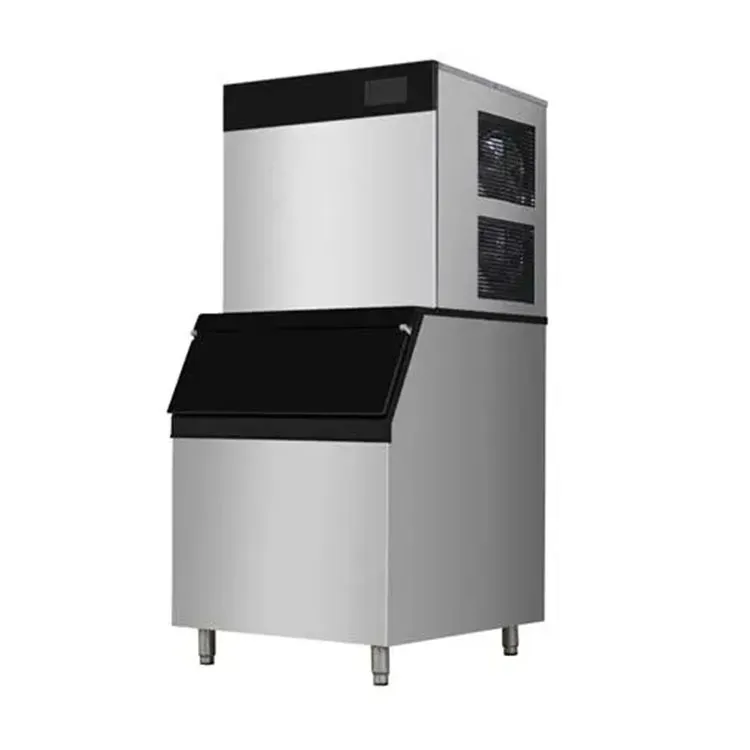
Bir makine kusursuz buz üretebilse de, buz haznesi kötü tasarlanmışsa yine de sorunlara yol açabilir. Depolama ve kullanım koşulları nihai sonucu belirler. Buz haznesinin temizlenmesi zahmetliyse, içinden buz almak zorsa veya kirlenme riskine maruz kalıyorsa, operatörler zaman kaybeder ve güvenlerini yitirirler.
İyi bir buz depolama tasarımı üç açıdan fayda sağlar:
FDA’nın paketlenmiş buz güvenliği kılavuzunda pratik kullanım önerileri yer almaktadır: temiz kepçe veya maşa kullanın, buzlara kirli ellerle veya bardaklarla dokunmaktan kaçının ve buzu gıda için güvenli temiz kaplarda saklayın. Ticari ortamlarda bu mantık, doğrudan makine tasarımına da yansımaktadır. İyi bir buz haznesi, temizlik kurallarını doğal bir şekilde desteklemelidir.
Bu durum, temizlik prosedürlerinin daha sıkı olabileceği konaklama, sağlık ve kurumsal ortamlarda daha da önem kazanmaktadır. Bir makine ne kadar kolay temizlenir ve doğru şekilde kullanılırsa, günlük işleyişi o kadar iyi destekler.
Küresel B2B alıcıları, genellikle herkese uyan tek bir modele ihtiyaç duymaz. Bir süpermarket zinciri için bir konfigürasyon uygun olabilirken, bir otel projesi için başka bir konfigürasyon gerekebilir. Tropikal pazarlara hizmet veren bir distribütör, hava akışı ve dayanıklılığa önem verebilir. Bir içecek perakendecisi ise yerel pazara uygun marka imajı ve dolap tasarımını tercih edebilir.
Senlisi'de bunu her gün görüyoruz. Bir alıcı, barlar için kompakt bir tezgah altı buz makinesine ihtiyaç duyabilir. Bir diğeri ise daha yüksek kapasiteli bir makineye ihtiyaç duyabilir ticari buz makinesi daha geniş bir saklama bölmesi ile. Bazı projeler logo baskısı, yerel voltaj, özel drenaj düzeni veya farklı bir dolap kaplaması gerektirir. OEM/ODM hizmetleri bu tür projeleri daha pratik hale getirir.
Alıcıların doğrudan üreticiyle çalışmayı tercih etmelerinin nedenlerinden biri de budur. Amaç sadece ticari buz ekipmanları satın almak değildir. Amaç, pazara uygun, müşterinin markasını destekleyen ve zaman içinde iyi performans gösteren bir çözüm oluşturmaktır.
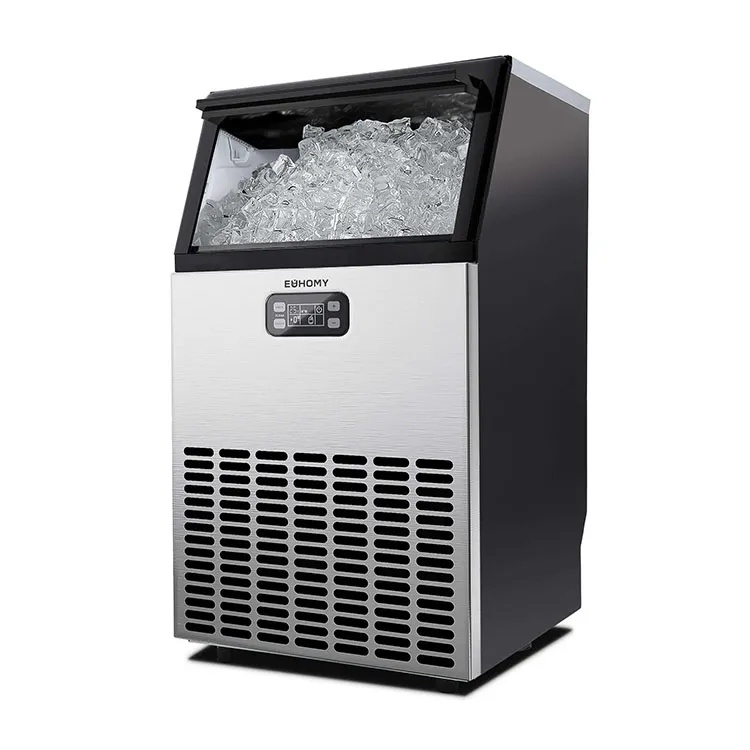
Bir buz makinesinin boyutunu seçmenin en iyi yolu, gerçek çalışma verilerinden yola çıkmaktır:
Küçük bir kafe için kompakt bir tezgah üstü buz makinesi veya düşük kapasiteli bir tezgah altı modeli yeterli olabilir. Yoğun iş hacmine sahip bir kokteyl barı için ise daha güçlü ve daha geniş hazneli bir endüstriyel buz makinesi gerekebilir. Bir otel veya kurumsal tesis için ise hijyen ve kolay erişime öncelik vererek, günlük buz üretiminde daha öngörülebilir bir kapasite gerekebilir.
Bu konuyu düşünmenin yararlı bir yolu şudur: sadece ortalama talebe göre satın almayın. En yoğun makul döneme göre satın alın. İşte bu şekilde, acil durumlarda sıkıntı yaşamadan güvenilir ticari buz temin edebilirsiniz.
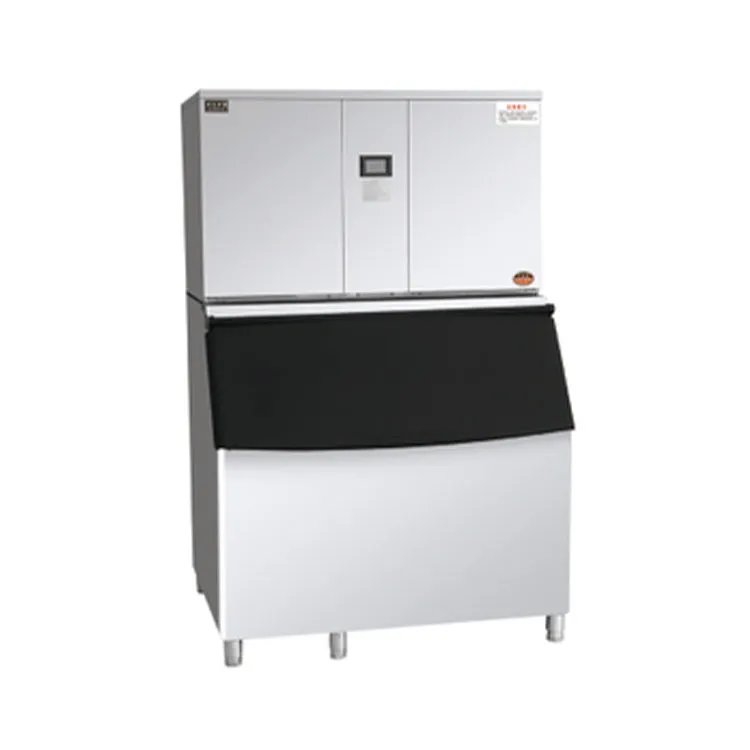
A ticari buz makinesi daha yoğun günlük kullanım, daha hızlı toparlanma ve daha dayanıklı uzun vadeli kullanım için tasarlanmıştır. Konut tipi cihazlar ise aynı iş yükü veya hizmet temposu için tasarlanmamıştır.
Evet. Tezgah altı buz makinesi, yerden tasarruf sağladığı, buzu servis alanına yakın tuttuğu ve buz üretimini pratik bir buz depolama alanıyla birleştirdiği için genellikle barlar için idealdir.
Bu, menüye ve müşteri yoğunluğuna bağlıdır. Bazı işletmelerin günlük yaklaşık 100 pound buza ihtiyacı olabilirken, daha büyük mekanların ihtiyacı çok daha fazladır. Doğru cevap, günlük gerçek buz tüketimi ve yoğun saatlerdeki talebe göre belirlenir.
Çünkü buz doğrudan tüketilir. NSF, NSF/ANSI 12 standardının otomatik buz yapma ekipmanlarına yönelik gıda güvenliği ve hijyen gerekliliklerini kapsadığını belirtmektedir.
Evet. ENERGY STAR, sertifikalı ticari buz makinelerinin standart modellere kıyasla yaklaşık daha fazla enerji tasarrufu sağladığını ve daha az su tükettiğini belirtiyor.
Güçlü bir ticari buz makinesi, hizmet akışını sürdürür, içecek kalitesini korur ve daha iyi bir müşteri deneyimi sağlar. İster tezgah altı buz makinesine, ister hazneli daha büyük bir buz makinesine, ister özel nugget buz makinesine ihtiyacınız olsun, doğru seçim menünüz, mekanınız ve hizmet modelinizle başlar.
Küresel B2B alıcılar için en iyi proje, sadece buz üretmekten ibaret değildir. Asıl mesele, makineyi işletme koşullarına uygun hale getirmektir. İşte bu noktada Senlisi gibi bir üretim ortağı gerçek bir değer katabilir: güvenilir mühendislik, ihracata hazır destek ve hizmet verdiğiniz pazarlara yönelik pratik özelleştirme.
2026-10
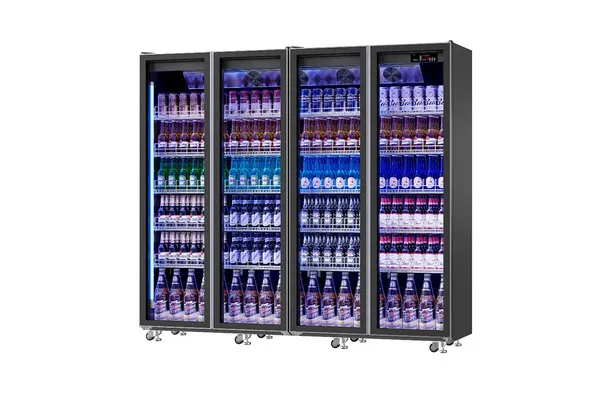
Compare bar coolers, back bar and undercounter designs, beer temperature needs, glass door…
2026-09
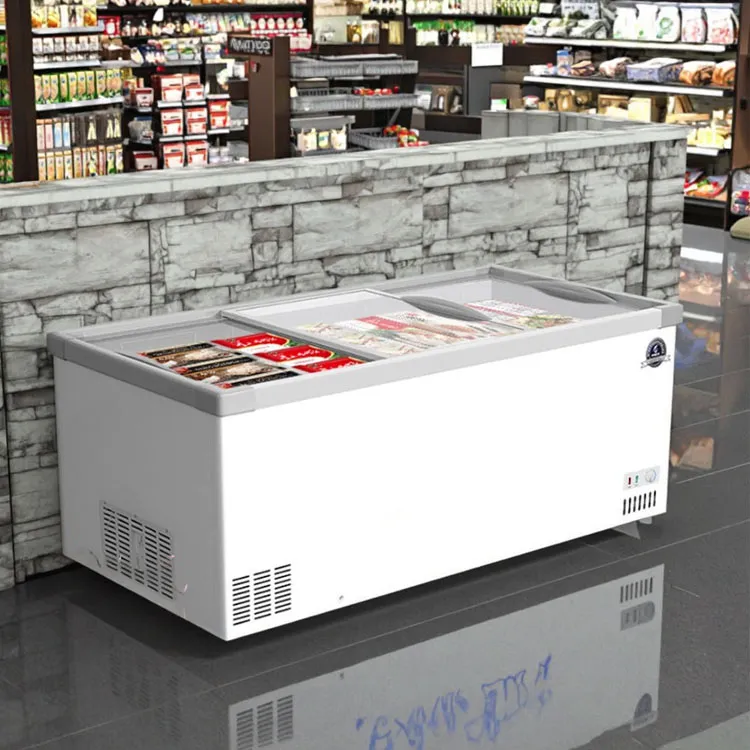
The SLS-ZD1860 Combo Island Cabinet measures 1860 × 810 × 800 mm and lists a temperature r…
Size 24 saat içinde cevap vereceğiz. Acil durum için lütfen WhatsApp/WeChat ekleyin: +8617806295551. Veya doğrudan +8617806295551/+8617660987312 adresini arayın.
*Gizliliğinize saygı duyuyoruz ve tüm bilgiler korunuyor.
Bilgilerinizi yalnızca sorunuza yanıt vermek için kullanacağız ve asla istenmeyen e-postalar veya tanıtım mesajları göndermeyeceğiz.