







Commercial Refrigeration: How to Choose the Right Commercial Refrigerator and Freezer
Commercial refrigeration means the professional refrigerators, freezers, coolers, chillers…
 09:33
09:33 Poor cold storage can quietly damage food quality, raise energy costs, and slow daily operations. For supermarkets, restaurants, cafés, pharmacies, and retailers, the wrong refrigerator or freezer is not just inconvenient. It can hurt profit, safety, and customer trust.
Commercial refrigeration means the professional refrigerators, freezers, coolers, chillers, ice machines, and display cabinets used to store, display, and protect perishable items in business environments. To choose the right commercial refrigeration equipment, match the unit type, temperature range, capacity, door style, energy efficiency, and layout to your real operating needs.
Commercial refrigeration covers the cold storage and display equipment used in professional spaces. This includes a commercial refrigerator, freezer, cooler, chiller, merchandiser, undercounter refrigerator, commercial ice dispenser, and full refrigeration systems for foodservice, retail, medical, and institutional use.
Unlike a small home fridge, commercial refrigeration equipment must work for long hours, handle frequent door opening, and keep stable temperature control in high-traffic environments. Restaurants need fast access. Supermarkets need product visibility. Pharmacies need precise temperature. Butcher shops need clean, safe refrigerated storage. Hotels and cafeterias need reliable performance every day.
Senlisi is a global manufacturer and exporter of التبريد التجاري equipment based in Qingdao, China. The company supplies commercial refrigerators, freezers, display cabinets, and customized refrigeration solutions for supermarkets, food service, medical, and retail applications. Its target buyers include supermarkets, convenience stores, chain restaurants, cafés, hotels, butcher shops, beverage retailers, pharmacies, floral shops, and public sector buyers.
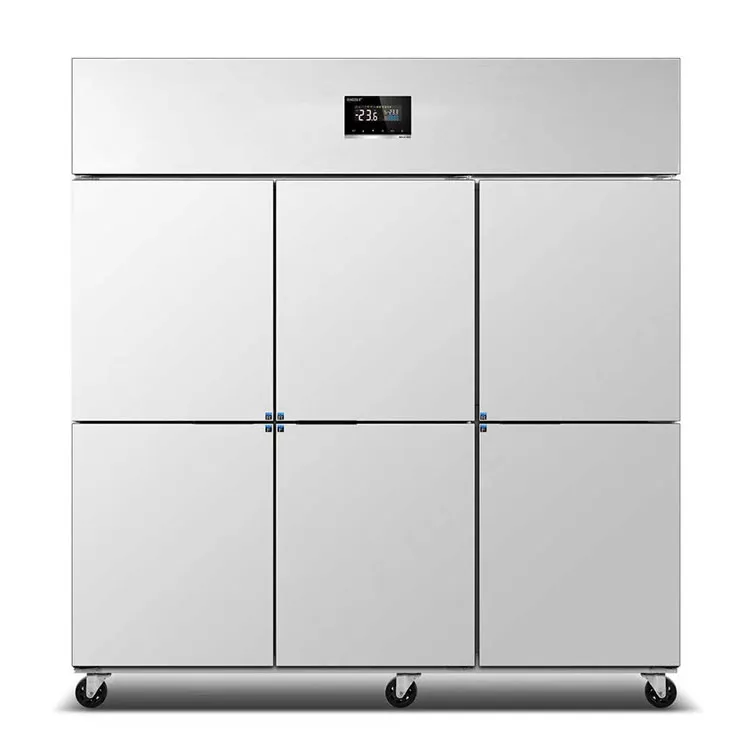
A ثلاجة تجارية is built for heavier use. It often has stronger insulation, more durable shelving, a larger compressor, better airflow, and faster recovery after the door opens. This matters because a busy commercial kitchen may open a refrigerator dozens or hundreds of times per day.
A home refrigerator is designed for light household use. It may look clean and quiet, but it is not made for heavy-duty foodservice operations. In contrast, commercial fridges and freezers are designed for restaurants, cafés, convenience stores, bars, bakeries, and other professional sites that need continuous cold storage.
Food safety is also a major reason to use the right refrigeration equipment. The FDA notes that cooked food should be cooled from 135°F to 70°F within two hours, then from 70°F to 41°F or below within the next four hours to reduce food safety risk. For B2B buyers, this makes stable refrigeration more than a comfort issue. It is part of daily risk control.
Reach-in refrigerators are one of the most common choices for restaurants, cafeterias, bakeries, and commercial kitchens. They give staff quick access to ingredients without requiring a separate cold room. Reach-in models may include solid doors for kitchen storage or glass door designs for easy product viewing.
Reach-in refrigerators and freezers are useful when your team needs simple access and organized storage. A restaurant refrigerator with adjustable shelves can hold sauces, vegetables, meat, dairy, and prepared ingredients. A freezer can store frozen food, seafood, ice cream, or backup inventory.
For many buyers, reach-in refrigerators and freezers offer a good balance of space, cost, and convenience. They are easier to install than walk-in refrigerators and freezers. They also help smaller businesses refrigerate perishable products without building a full cold storage room.
A walk-in refrigerator or freezer is useful when you need larger cold storage. Supermarkets, hotels, institutional kitchens, food distributors, and large restaurants often need walk-in refrigerators to store bulk food before daily use.
Walk-in refrigerators and freezers are different from reach-in units. They need more planning. You must consider room size, door location, insulation, condenser placement, refrigeration units, floor strength, drainage, and access flow. If your team moves carts in and out, the design must allow easy movement.
A walk-in refrigerator can help reduce daily restocking pressure. A walk-in freezer can protect frozen stock for longer storage. But if your business has limited space or lower volume, several reach-in refrigerators may be more practical than one large walk-in system.
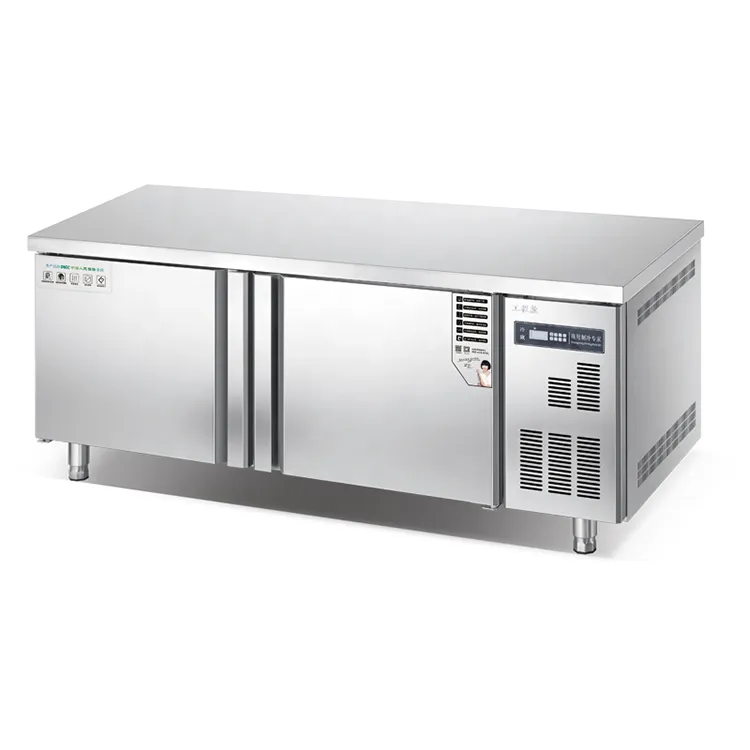
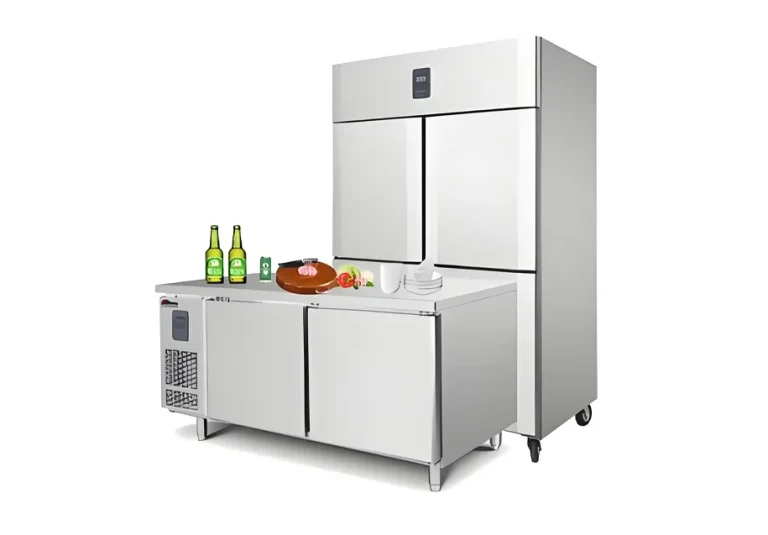
An undercounter refrigerator is ideal when your kitchen has limited space. It fits below counters and keeps ingredients close to the work area. For cafés, bars, sandwich shops, and compact restaurants, commercial undercounter refrigerator models help save floor space while improving workflow.
Worktop refrigeration adds another benefit: it combines cold storage with a stainless steel working surface. Staff can prepare food above the cabinet and pull ingredients from below. This design is useful for pizza prep, salad prep, sandwich stations, bakery work, and other fast-service areas.
Prep tables are especially helpful when speed matters. A pizza prep table can hold sauces, cheese, toppings, and dough near the preparation area. For buyers comparing commercial kitchen fridges, the main decision is simple: choose a layout that reduces walking, reaching, and wasted time.
Bars, cafés, hotels, and restaurants often need special bar refrigeration. A back bar cooler keeps drinks cold and visible. A bar refrigerator freezer can support bottled beer, mixers, wine, and frozen items. Glass door models help staff see stock quickly, while solid doors may reduce light exposure and improve a cleaner back-of-house look.
Commercial ice is another key need. Ice machines support drinks, seafood displays, hotel service, healthcare, and catering. A dispenser may be useful where customers or staff need fast ice access. For a busy bar, ice supply can become a bottleneck during peak hours.
Some buyers compare trusted brands such as Hoshizaki with other top brands when looking at ice machines or commercial refrigeration units. That is normal. The better approach is to compare cooling performance, capacity, service access, spare parts, energy use, warranty terms, and supplier support rather than choosing by name alone.
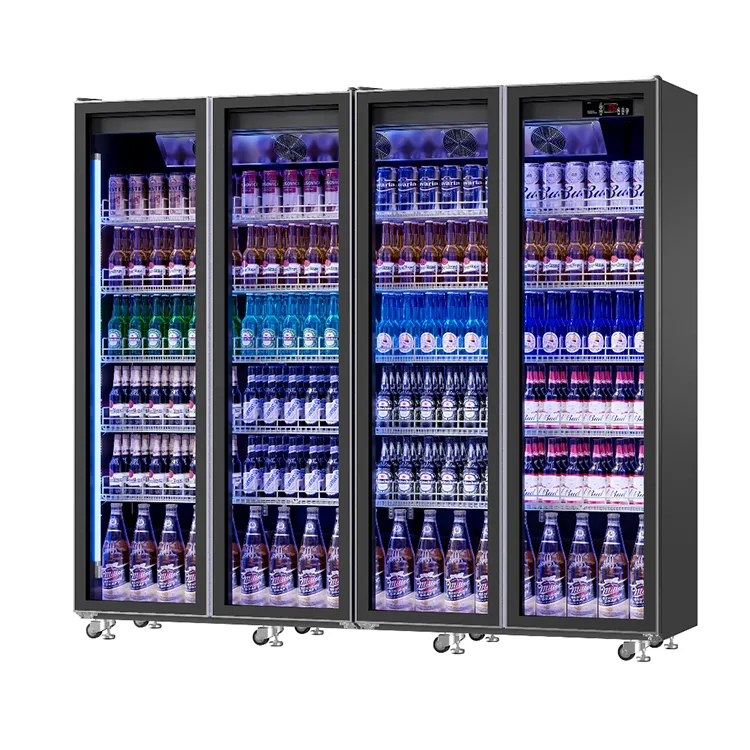
Retail refrigeration must do two jobs at once. It must keep products cold, and it must help customers see them clearly. That is why supermarkets, convenience stores, beverage shops, and specialty food stores often choose glass door refrigerators, display fridges, and merchandiser cabinets.
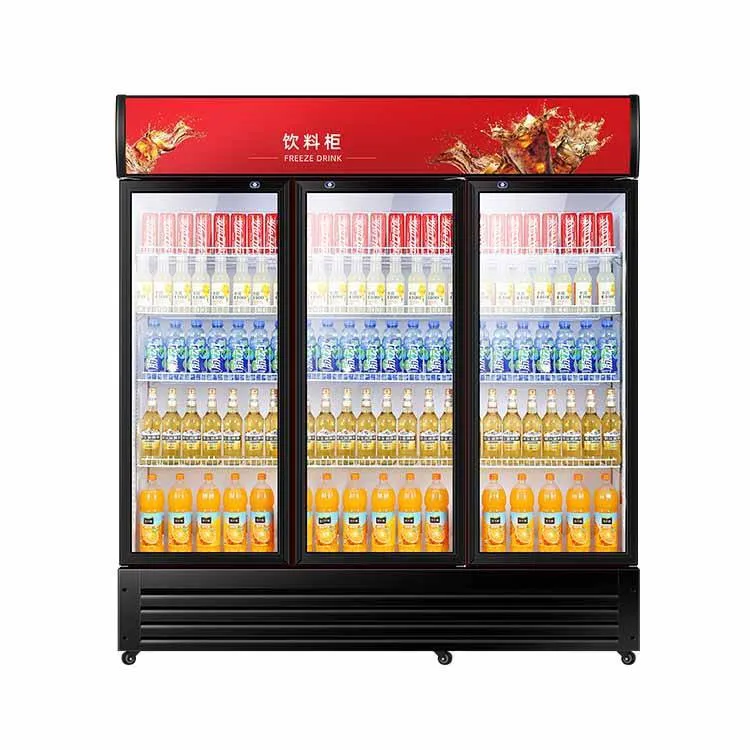
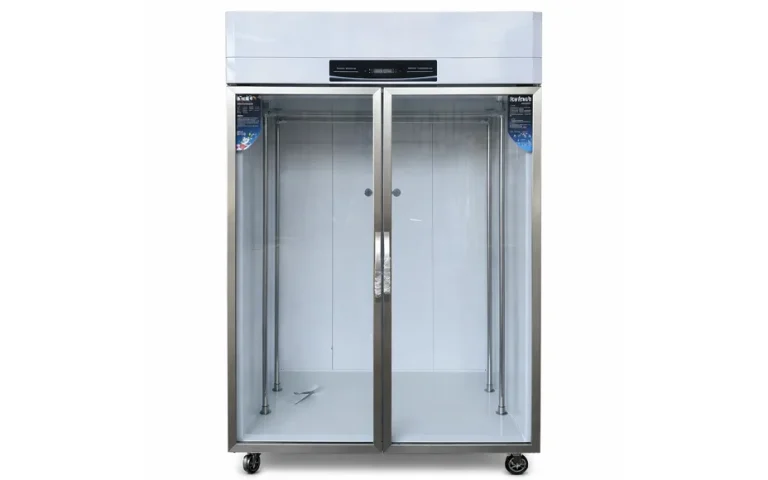
A glass door commercial refrigerator works well for drinks, dairy, packaged meals, desserts, and chilled snacks. A commercial refrigerator glass door design improves visibility and can reduce unnecessary door opening. For frozen products, a commercial display freezer or display ice cream freezer helps customers browse while maintaining cold storage.
For retail sites, lighting, shelf strength, anti-fog glass, airflow, and door sealing all matter. A beverage display fridge should not only look good. It should also maintain stable temperature, protect perishable items, and reduce energy consumption where possible.
Choosing the right commercial refrigeration setup starts with your operating environment. A restaurant, supermarket, pharmacy, and flower shop do not have the same refrigeration needs. The best choice depends on product type, temperature range, daily traffic, floor plan, and local power requirements.
Use this simple checklist before buying:
The EPA describes retail food refrigeration, also called commercial refrigeration, as equipment designed to store and display chilled or frozen goods for commercial sale. It includes stand-alone equipment, remote condensing units, and supermarket systems. This means buyers should think beyond one cabinet and consider the whole refrigeration system.
The purchase price is only one part of the total cost. Energy costs, regular maintenance, cleaning time, part replacement, and downtime also matter. A cheaper refrigerator can become expensive if it uses too much power or breaks during busy season.
ENERGY STAR states that certified commercial refrigerators and freezers are on average 20% more energy efficient than standard models, using parts such as high-efficiency compressors, ECM fan motors, and better anti-sweat heater systems. For buyers running multiple commercial freezers or commercial refrigerators and freezers, this can make a real difference in utility costs.
Routine maintenance is simple but important. Clean the condenser. Check door gaskets. Do not block airflow. Keep the cabinet loaded correctly. Watch for ice buildup, strange noise, temperature drift, or malfunction warnings. A high-performance unit still needs care to deliver reliable performance year after year.
Refrigerant choice also matters. The EPA reviews refrigeration substitutes based on environmental and health risks, including ozone depletion potential, global warming potential, toxicity, flammability, and exposure potential. Buyers should confirm which refrigerant is suitable for their market and safety requirements before ordering.
For overseas B2B buyers, a supplier is not just selling a refrigerator or freezer. The supplier must understand export packaging, voltage requirements, cabinet layout, spare parts, documentation, and after-sales communication. This is especially true for distributors, chain stores, project contractors, and commercial refrigeration company buyers.
سينليسي role is to support global buyers with التبريد التجاري solutions for foodservice, retail, hospitality, healthcare, and institutional applications. Its product range includes commercial refrigerator models, freezers, display cabinets, beverage coolers, bar refrigeration, ice machines, flower display coolers, pharmacy refrigerators, and customized refrigeration cabinets.
A good manufacturer can help you answer practical questions:
For distributors and project buyers, this support can be more valuable than a low unit price.
If you import commercial refrigeration equipment, ask for details before placing an order. Do not rely only on pictures. A beautiful cabinet may still fail if the compressor, condenser, shelf load, insulation, voltage, or packaging does not match your market.
Before you confirm the order, request:
For chain buyers, ask whether the supplier can keep the same model stable across future orders. Consistency matters when you roll out commercial coolers, refrigeration cabinets, commercial freezers, and display refrigerators across many locations.
Commercial refrigeration refers to professional refrigeration equipment used in businesses to store, display, and protect chilled or frozen products. It includes commercial refrigerators, freezers, coolers, chillers, merchandisers, walk-in refrigerators, ice machines, and refrigerated storage systems.
The best restaurant refrigerator depends on your menu, kitchen size, and workflow. Many restaurants use reach-in refrigerators for general storage, undercounter units for prep areas, and commercial kitchen freezer models for frozen ingredients. Busy kitchens may also need prep tables for fast access.
A commercial refrigerator keeps products chilled above freezing, often for drinks, dairy, vegetables, meat, and prepared food. A commercial freezer keeps products frozen for longer storage, such as frozen food, ice cream, seafood, or meat. Some commercial refrigerator freezer models include both zones.
Yes. Glass door refrigerators are useful for supermarkets, convenience stores, beverage shops, and specialty food stores because customers can see products before opening the door. They work well for drinks, dairy, packaged meals, and chilled snacks.
Choose efficient equipment, keep door seals clean, clean the condenser, avoid overloading the cabinet, place units away from heat sources, and use proper temperature settings. Energy-efficient commercial refrigerators and freezers can help reduce operating costs over time.
Basic cleaning and checks should happen regularly. Staff should monitor temperature daily, clean visible dirt, and report noise or cooling changes. Deeper maintenance may include condenser cleaning, gasket checks, fan inspection, and refrigerant system checks by trained technicians.
2026-04
Commercial refrigeration means the professional refrigerators, freezers, coolers, chillers…
2026-04
الخزانة المعلقة للحوم ذات درجة الحرارة المزدوجة هي خزانة تجارية مصممة لعرض اللحوم وحفظها...
سنرد عليك في غضون 24 ساعة. إذا كان للحالة العاجلة، يرجى إضافة واتساب/وي شات: +8617806295551. أو اتصل على +8617806295551/+8617660987312 مباشرة.
*نحن نحترم سريتك وجميع معلوماتك محمية.
لن نستخدم معلوماتك إلا للرد على استفسارك ولن نرسل أبداً رسائل بريد إلكتروني غير مرغوب فيها أو رسائل ترويجية.