






How to Choose a Commercial Back Bar Cooler or Glass Door Beverage Refrigerator
Compare bar coolers, back bar and undercounter designs, beer temperature needs, glass door…

 16:16
16:16 Una bebida caliente puede parecer un detalle sin importancia, pero puede hacer que se pierda una venta en un abrir y cerrar de ojos. Un almacenamiento inadecuado de las bebidas da lugar a una exposición poco atractiva, un servicio lento y un desperdicio de existencias. Un refrigerador adecuado te ayuda a enfriar las bebidas, a exponer los productos con claridad y a atender a los clientes con confianza.
Un refrigerador para bebidas es un frigorífico diseñado para almacenar y exponer bebidas embotelladas o en lata a temperaturas de servicio estables. El mejor refrigerador para bebidas para tu negocio depende de la capacidad, la visibilidad de la puerta de cristal, el control de la temperatura, el tipo de instalación, el consumo energético y si necesitas espacio para almacenar bebidas, vino, refrescos, cerveza o combinados.
A refrigerador de bebidas Es un electrodoméstico de refrigeración específico que se utiliza para enfriar y exponer bebidas. A diferencia de un frigorífico convencional, está diseñado principalmente para el almacenamiento de bebidas, un acceso rápido y una presentación clara de los productos. Se puede utilizar para agua, refrescos, zumos, bebidas energéticas, cerveza, vino o productos listos para consumir en tiendas, cafeterías, restaurantes, hoteles y oficinas.
Para un negocio, una vitrina refrigerada para bebidas no es solo una nevera pequeña. Forma parte de la zona de venta. Una vitrina refrigerada con puerta de cristal permite a los clientes ver la bebida antes de abrir la puerta. Este sencillo efecto de exposición puede aumentar el atractivo del producto, especialmente en tiendas de conveniencia, supermercados, tiendas especializadas en bebidas y mostradores de restauración.
En Senlisi, vemos a menudo que los compradores se fijan únicamente en el precio. Pero la pregunta más acertada es: “¿Es capaz este refrigerador para bebidas de mantenerlas frías, presentarlas bien y funcionar a diario con un uso intensivo?”. Para los compradores B2B, una refrigeración estable, una buena estructura, estantes ajustables y la asistencia posventa son más importantes que un bajo coste inicial.
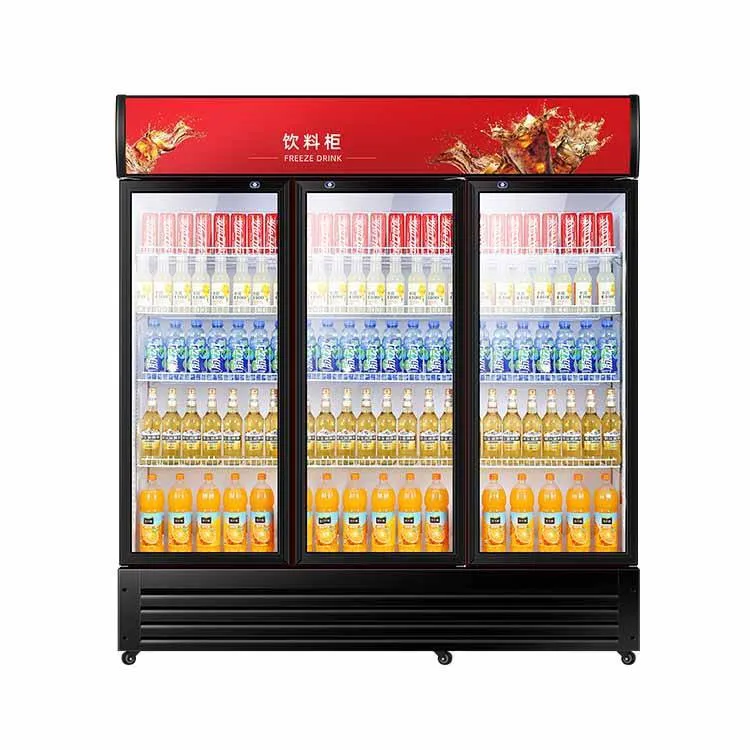
El término «nevera para bebidas» es un término general que se refiere a un frigorífico diseñado para bebidas. Por su parte, un «centro de bebidas» suele ser un electrodoméstico de diseño más cuidado que se utiliza en cocinas, bares, habitaciones de hotel, barras de casa, salas de descanso de oficinas o zonas de exposición en tiendas. Ambos sirven para enfriar bebidas, pero su diseño y sus usos pueden diferir.
Un mueble refrigerado para bebidas suele tener un diseño elegante, puerta de cristal, molduras de acero inoxidable, estantes ajustables y una iluminación interior cuidada. Puede utilizarse como mueble empotrado, bajo encimera o independiente. Un frigorífico para bebidas puede ser más grande, más resistente y de carácter más comercial, especialmente cuando se utiliza en supermercados, restaurantes y cadenas de tiendas.
Una vitrina refrigerada con puerta de cristal ayuda a los clientes a elegir más rápido. Pueden ver las etiquetas de los productos, los colores de las botellas y las opciones de bebidas sin necesidad de abrir la puerta. Esto reduce la pérdida de aire frío y mejora la experiencia de compra de bebidas en locales muy concurridos.
Un frigorífico con puerta de cristal resulta especialmente útil para supermercados, cadenas de tiendas de conveniencia, cafeterías, carnicerías, tiendas de delicatessen, vestíbulos de hoteles, farmacias y tiendas de bebidas. Un frigorífico con puerta de cristal puede convertir el simple almacenamiento de bebidas en un expositor de venta. En el caso de productos de compra impulsiva, como refrescos, cerveza, zumos y té embotellado, la visibilidad es fundamental.
Una buena puerta de cristal refrigerador de bebidas El diseño debe incluir:
Un expositor de bebidas en la puerta también necesita una rápida recuperación de la temperatura. En el ámbito comercial, la puerta se abre muchas veces por hora. Si el frigorífico para bebidas no es capaz de recuperar la temperatura rápidamente, es posible que las bebidas no se mantengan lo suficientemente frías durante las horas punta.
Un refrigerador independiente para bebidas es fácil de colocar y mover. Es ideal para tiendas, oficinas, cafeterías, pequeños restaurantes y zonas promocionales temporales. Un refrigerador independiente para bebidas necesita espacio suficiente a su alrededor para permitir la circulación del aire. Esto ayuda al compresor a disipar el calor y a funcionar de forma segura.
Un refrigerador de bebidas Está diseñado para encajar en armarios o encimeras. Por lo general, requiere ventilación frontal. Los frigoríficos empotrados para bebidas son habituales en hoteles, bares, cocinas de lujo, despensas de oficinas y zonas de exposición de alta gama. Si su proyecto requiere un aspecto limpio y elegante, un centro de bebidas empotrado puede ser la opción adecuada.
Un refrigerador de bebidas bajo encimera permite ahorrar espacio. Se coloca debajo de la zona de bebidas de la encimera y mantiene las bebidas a mano para el personal. Un refrigerador de bebidas bajo encimera resulta útil para bares, cafeterías, mostradores de servicio de hoteles, restaurantes y salones. En una cocina o un bar, este diseño agiliza el servicio y lo hace más limpio.
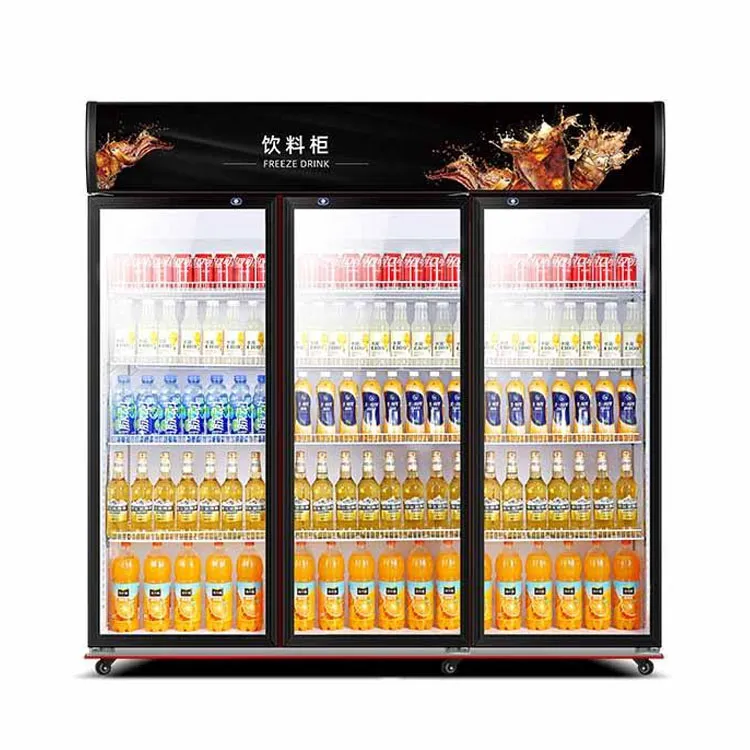
Cada tipo de bebida requiere unas condiciones de conservación diferentes. Los refrescos y el agua son sencillos: necesitan una temperatura constante y un fácil acceso. Un frigorífico para refrescos debe tener estantes resistentes, una circulación de aire fluida y espacio suficiente para latas y botellas.
La cerveza necesita una buena refrigeración y una presentación clara. Los refrigeradores de cerveza con puerta de cristal son habituales en tiendas de conveniencia, bares y supermercados. Tanto si se trata de vino como de cerveza, comprueba la altura de las botellas y la profundidad de los estantes antes de hacer el pedido. Algunos compradores se olvidan de este paso y luego se dan cuenta de que sus botellas de vino no caben bien.
El vino requiere más cuidados. Una nevera para vinos o un enfriador de vinos pueden ser la mejor opción cuando se necesita un almacenamiento adecuado. Si se almacena vino para su consumo a corto plazo, una nevera para vinos o un frigorífico para vinos y bebidas pueden ser una buena solución. Sin embargo, si se almacena vino a largo plazo, las condiciones de una bodega pueden resultar más adecuadas.
A refrigerador de bebidas Se adapta a muchos entornos empresariales. En un supermercado, permite exponer bebidas embotelladas cerca de las cajas o en los pasillos de bebidas. En un restaurante, ayuda al personal a coger bebidas rápidamente. En un hotel, mejora el servicio a los huéspedes en los salones, los minibares y las zonas de banquetes.
En el caso de los compradores del sector médico e institucional, una refrigeración estable también puede ser útil para el servicio de bebidas frías, las zonas de venta de productos farmacéuticos, las salas de personal o las salas de espera públicas. En el caso de los comercios de flores y plantas, las necesidades de refrigeración pueden variar, pero la refrigeración de los expositores y el control de la humedad pueden seguir formando parte de un plan de refrigeración comercial más amplio.
Entre sus aplicaciones más comunes se incluyen:
Senlisi es un fabricante y exportador internacional de equipos de refrigeración comercial con sede en Qingdao, China. Ofrecemos frigoríficos comerciales, congeladores, vitrinas refrigeradas, enfriadores de bebidas y soluciones de refrigeración a medida para supermercados, el sector de la restauración, el ámbito médico, el comercio minorista, la hostelería y aplicaciones institucionales.
Como fabricantes, somos conscientes de que los compradores B2B no solo adquieren un electrodoméstico. Lo que compran es estabilidad en el suministro, uniformidad en el producto, asistencia para la exportación y un valor de servicio a largo plazo. Un proyecto de bebidas para el sector comercial puede requerir armarios de distintos tamaños, diferentes estándares de enchufes, personalización con logotipos, embalajes, planes de carga y un diseño específico para cada mercado.
Senlisi puede ofrecer:
Para los clientes extranjeros, es importante mantener una comunicación clara. Ayudamos a los compradores a elegir los modelos en función del canal de distribución, el tipo de bebida, el clima, la distribución de la tienda y el presupuesto. Esto facilita el proyecto, desde la prueba de muestras hasta el pedido al por mayor.
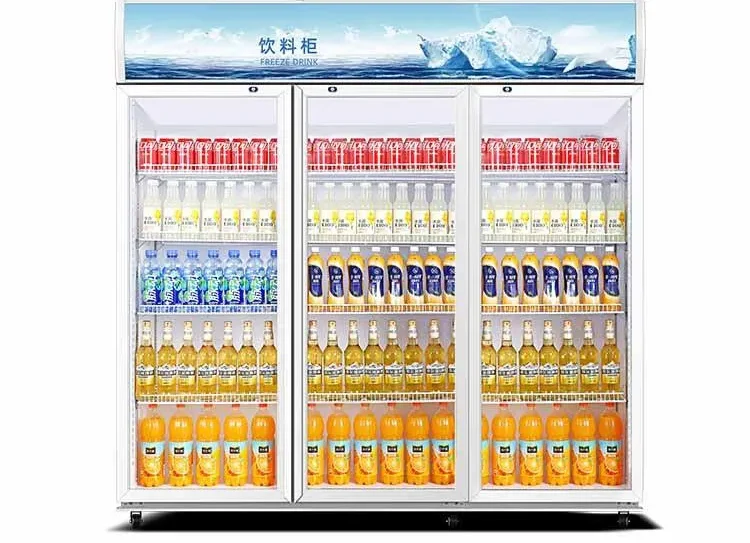
El primer error es basarse únicamente en el precio. Una nevera para bebidas muy barata puede suponer un ahorro inicial, pero una refrigeración deficiente, estantes poco resistentes y un elevado consumo energético pueden generar mayores gastos a largo plazo. Un comprador profesional debe comparar el valor total, no solo el precio de compra.
El segundo error es no tener en cuenta la ventilación. Un modelo empotrado para bebidas colocado como si fuera independiente puede funcionar bien, pero un modelo independiente colocado dentro de un armario estrecho puede sobrecalentarse. Comprueba siempre si el aparato es empotrado o independiente antes de decidir la disposición definitiva.
El tercer error es elegir un tamaño inadecuado. Es posible que en una mininevera no quepa todo lo necesario. Una grande nevera comercial para bebidas puede suponer un desperdicio de espacio en una cafetería pequeña. Un refrigerador para bebidas de 24 pulgadas puede ser ideal para un proyecto y resultar demasiado pequeño para otro. Adapta la capacidad al volumen real de ventas.
Una regla sencilla: elige el aparato para bebidas en función de las necesidades de tu negocio, no por una foto del catálogo.
Un refrigerador de bebidas está diseñado principalmente para bebidas. Suele tener una puerta de cristal, estantes ajustables, iluminación interior y una distribución adaptada para latas y botellas. Un frigorífico normal almacena muchos tipos de alimentos y es posible que no permita exponer las bebidas tan bien.
Sí, pero depende del modelo. Un refrigerador de bebidas de doble zona o un refrigerador para vinos y bebidas es más adecuado si necesitas guardar vino y otras bebidas juntos. Para el almacenamiento de vino a largo plazo, puede ser más adecuado un refrigerador para vinos, un enfriador de vinos o una bodega.
No siempre. Un frigorífico independiente para bebidas es flexible y fácil de colocar. Un frigorífico empotrado para bebidas queda más elegante en los armarios o en las encimeras. La mejor opción depende de la ventilación, el espacio, el diseño y las necesidades de mantenimiento.
Depende de la bebida. Los refrescos, el agua y la cerveza suelen servirse fríos. El vino puede requerir una temperatura diferente. En el caso de los productos alimenticios comerciales, respeta siempre las normas locales de seguridad alimentaria y los requisitos de conservación de los productos.
Las puertas de cristal pueden dejar escapar más calor que las puertas macizas, pero los diseños modernos incorporan cristales aislantes, juntas de mejor calidad, iluminación LED y sistemas de refrigeración eficientes. En el caso de los escaparates comerciales, las ventajas que ofrece una puerta de cristal pueden merecer la pena.
Para una pequeña cafetería, oficina o bar, puede bastar con una nevera compacta para bebidas, una mininevera, una nevera bajo encimera para bebidas o una mininevera de 3,2 pies cúbicos. Para la venta al por menor, una nevera comercial para bebidas con puerta de cristal suele ser mejor.
2026-10
Compare bar coolers, back bar and undercounter designs, beer temperature needs, glass door…
2026-09
The SLS-ZD1860 Combo Island Cabinet measures 1860 × 810 × 800 mm and lists a temperature r…
Le responderemos en un plazo de 24 horas. Si es un caso urgente, por favor añada WhatsApp/WeChat: +8617806295551. O llame directamente a +8617806295551/+8617660987312.
*Respetamos su confidencialidad y toda la información está protegida.
Sólo utilizaremos sus datos para responder a su consulta y nunca le enviaremos correos electrónicos o mensajes promocionales no solicitados.