





Bar Beer Coolers: Complete Guide to Back Bar Coolers, Bottle Coolers & Commercial Bar Refrigeration
Bars and restaurants cannot afford warm drinks, slow service, or refrigeration equipment t…

 15:28
15:28 Senlisi Technical Team | Commercial Refrigeration Manufacturer | Published September 7, 2026
Bars and restaurants cannot afford warm drinks, slow service, or refrigeration equipment that struggles during peak hours. A poorly selected bar cooler can increase energy use, reduce storage efficiency, and disrupt service. The right back bar cooler, bottle cooler, and commercial refrigeration system keep drinks consistently chilled and easy to reach.
Bar beer coolers are commercial refrigeration units designed to store and chill beer, beverages, bottles, and cans in bars, restaurants, pubs, hotels, and other professional establishments. Common options include back bar coolers, bottle coolers, glass-door refrigerators, undercounter units, and specialized beer refrigeration systems. The best choice depends on storage capacity, temperature requirements, door design, available space, and service volume.
A bar com cerveja is more than a standard refrigerator placed behind a counter. It is a purpose-built refrigeration solution designed around the fast-moving workflow of a commercial bar.
A typical back bar cooler provides refrigerated storage directly behind the service counter. Bartenders can quickly reach bottled beer, cans, soft drinks, mixers, and other beverage products without leaving the service area. That simple arrangement can make a major difference during busy periods.
For bars and restaurants, refrigeration needs to support both product quality and speed. Customers expect their beer to be cold and ready when ordered. At the same time, the operator needs enough beverage storage to handle peak demand without taking up unnecessary floor space.
A properly selected refrigerator should therefore provide three things:
Senlisi designs and manufactures commercial refrigeration equipment for international B2B customers, including restaurants, hotels, beverage retailers, supermarket operators, and restaurant equipment distributors.
A back bar cooler is normally installed behind or underneath the service counter. Its purpose is to keep frequently sold beverages chilled while allowing staff to access them quickly.
Unlike a household fridge, a commercial back bar refrigeration system must handle repeated door opening, frequent loading, higher ambient temperatures, and long operating hours. During a busy evening, the refrigerator may be opened continuously as bartenders serve customers.
A quality back bar refrigerator uses a dedicated refrigeration system to remove heat from the cabinet and maintain the selected temperature. The compressor, condenser, evaporator, insulation, door seal, and airflow system all work together.
For a commercial establishment, consistent cooling is more important than simply reaching a low temperature once. The equipment needs to recover efficiently after every door opening.
Common Components
| Component | Function |
| Compressor | Drives the refrigeration cycle |
| Condensador | Releases heat from the refrigeration system |
| Evaporador | Removes heat from inside the cabinet |
| Junta da porta | Helps retain cold air and reduce leakage |
| Isolamento | Reduces heat transfer |
| Temperature Controller | Maintains the selected operating temperature range |
| Iluminação LED | Improves product visibility |
| Shelving | Organizes and displays bottles and cans |
A commercial refrigeration manufacturer should be able to explain how these components work together rather than simply describing the product as a “professional” refrigerator.
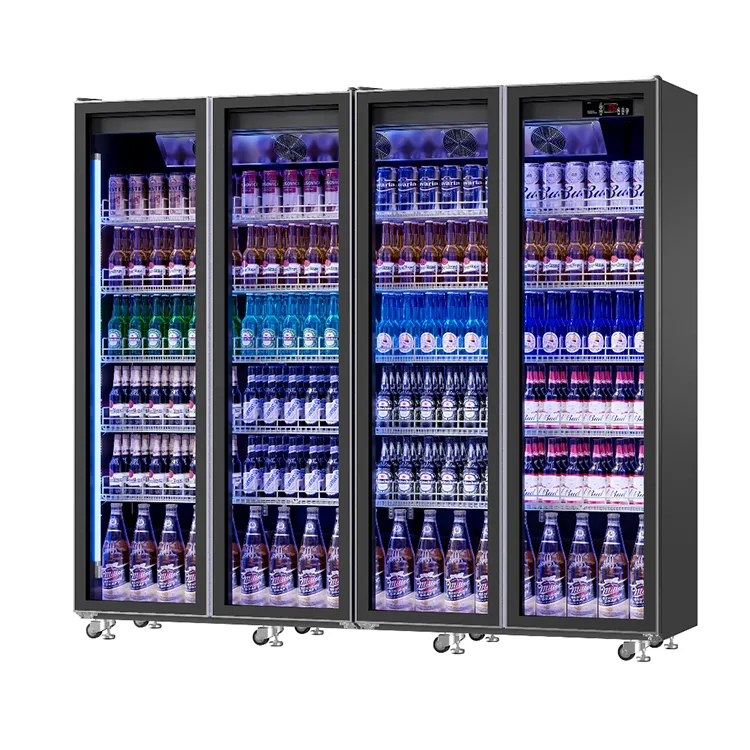
The terms bottle cooler and back bar cooler are sometimes used interchangeably, but they can describe different configurations.
A bottle cooler focuses on convenient storage of bottled and canned beverages. It may use doors, sliding glass panels, or a horizontal configuration depending on the application.
A back bar cooler is specifically designed around the physical layout of a bar. It is often placed behind the counter or underneath a work surface, making it part of the overall bar setup.
| Tipo | Main Purpose | Typical Location |
| Back Bar Cooler | Beverage storage behind the service area | Behind the bar |
| Bottle Cooler | Chilled storage for bottles and cans | Bars, restaurants, and retail stores |
| Bar Refrigerator | General beverage refrigeration | Commercial bars |
| Beverage Cooler | Cooling drinks and packaged beverages | Retail and foodservice locations |
| Beer Fridge | Dedicated beer storage | Bars, pubs, and restaurants |
| Frigorífico de encastrar | Compact refrigerated storage | Under a counter |
For a restaurant owner, the right solution depends on the available space and the type of beverage service.
A business selling a high volume of bottled beer may prefer a dedicated bottle cooler. A cocktail bar with limited space may benefit from a compact back bar refrigerator.
There is no single correct size.
The right cooler depends on daily beverage sales, delivery frequency, available space, and the number of products that must remain chilled.
For example, a small café may only need a compact refrigerator for cans and bottled drinks. A busy pub may need several large commercial units.
When choosing capacity, consider:
A high-volume commercial bar should normally plan for peak demand rather than average demand.
If a bar sells 500 bottles of beer during a busy weekend, purchasing a refrigerator based only on weekday sales can result in insufficient storage.
Practical Capacity Planning
| Business Type | Typical Refrigeration Requirement |
| Small Café | Compact beverage refrigerator |
| Cocktail Bar | Refrigerador de balcão |
| Pub | Large-capacity bottle cooler |
| Restaurant | Commercial refrigerator and beverage cooler |
| Hotel | Multiple refrigeration zones |
| High-Volume Bar | Multiple commercial back bar coolers |
Senlisi can evaluate the application and recommend a configuration based on storage volume, cabinet dimensions, and operating requirements.
Door design affects both product visibility and refrigeration performance.
A glass door allows staff and customers to see the available products without opening the refrigerator. This can be particularly useful for retail beverage displays and self-service areas.
A solid door provides a more enclosed storage environment and can be suitable for back-of-house applications where product visibility is not important.
Glass Door Advantages
A glass-door refrigerator can provide:
A sliding glass door is another practical option where front clearance is limited.
Sliding glass doors do not require the same forward swing as hinged doors, which can make them useful in compact bar areas.
Solid Door Advantages
A solid door commercial refrigerator may be preferable for:
The correct choice depends on whether your priority is beverage display or beverage storage.
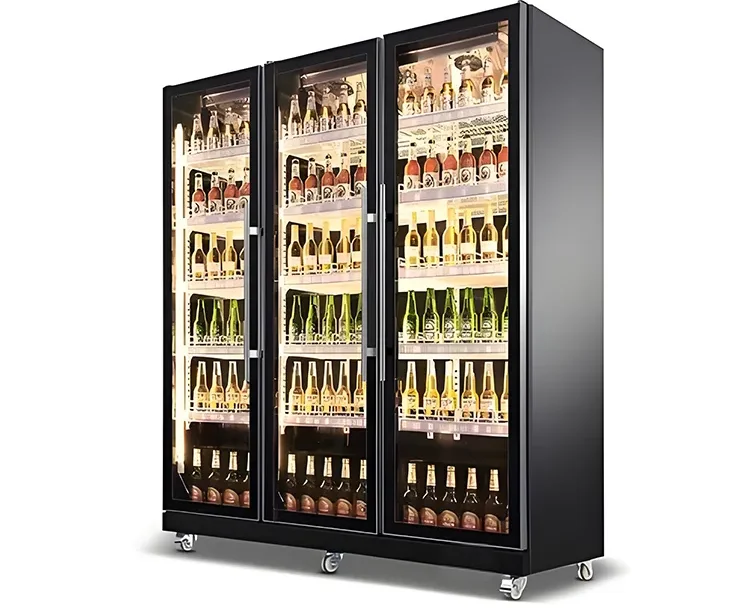
There is no universal “best beer cooler.”
The best beer refrigeration system is the one that matches your product mix, space, sales volume, and operating environment.
For example, a small beer fridge may be enough for a café with limited beverage sales. A busy pub may need a large commercial bottle cooler with multiple doors.
Before selecting a unit, evaluate:
1. Capacity
Make sure the refrigerator can hold enough commercial beer during peak periods.
2. Temperature
Beer should be stored at an appropriate serving temperature based on the beer style and business requirements.
3. Accessibility
Staff should be able to retrieve bottles quickly.
4. Door Configuration
Choose hinged, sliding, glass, or solid doors according to the bar layout.
5. Energy Efficiency
Because refrigeration operates for long periods, energy efficiency affects operational costs.
6. Construction
A commercial refrigerator should withstand frequent use and cleaning.
Commercial bar refrigeration relies on a refrigeration cycle.
The compressor circulates refrigerant through the system. Heat is removed from the cabinet and released through the condenser. The evaporator then cools the air inside the refrigerator.
The process continues as long as the cabinet needs cooling.
Several design factors influence performance:
A well-designed refrigeration system provides consistent performance, even when the door opens repeatedly.
This matters because a bar is not a controlled home kitchen.
During service, the door may open dozens or hundreds of times.
The refrigeration system must recover quickly.
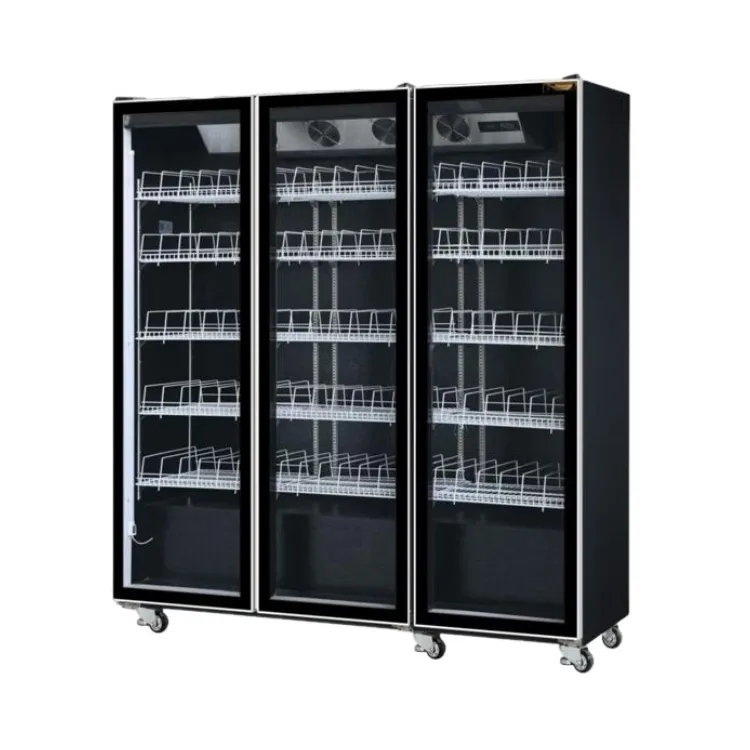
The correct temperature depends on the beverage and serving requirements.
Beer is commonly served chilled, but different beer styles can have different ideal serving temperatures. Commercial operators should follow the recommendations for the products they sell rather than setting every refrigerator to the same temperature.
The most important requirement for a commercial beer cooler is temperature stability.
A refrigerator that repeatedly swings between warm and cold conditions may affect beverage quality and increase compressor workload.
Senlisi commercial refrigeration equipment can be configured according to different application requirements, with temperature control allowing operators to manage the cooling environment.
For bottled beer, canned beer, soft drinks, and other beverages, the target temperature should be established before selecting the equipment.
Sim.
A commercial bottle cooler can be designed to accommodate both bottles and cans.
However, the internal shelf arrangement should match the product mix.
Por exemplo:
A well-designed beverage refrigerator should make it easy to organize:
For a busy commercial bar, organization saves time.
Bartenders should not have to search through an overcrowded refrigerator during peak service.
When comparing commercial back bar coolers, look beyond appearance.
As caraterísticas importantes incluem:
Commercial-Grade Refrigeration
The refrigeration system should be suitable for long operating periods.
Durable Construction
A stainless steel exterior is commonly selected for professional environments because it is durable and easy to maintain.
Some models can also feature a stainless steel top, which can integrate well with a bar workstation.
Iluminação LED
LED lighting improves visibility and makes it easier for staff to identify products.
Improved Insulation
Better insulation reduces heat transfer and can help the unit use less energy.
Easy Maintenance
The condenser and other refrigeration components should be accessible for routine service.
Door Sealing
A reliable door gasket helps maintain cold air inside the cabinet.
These features are especially important for a commercial establishment that operates every day.
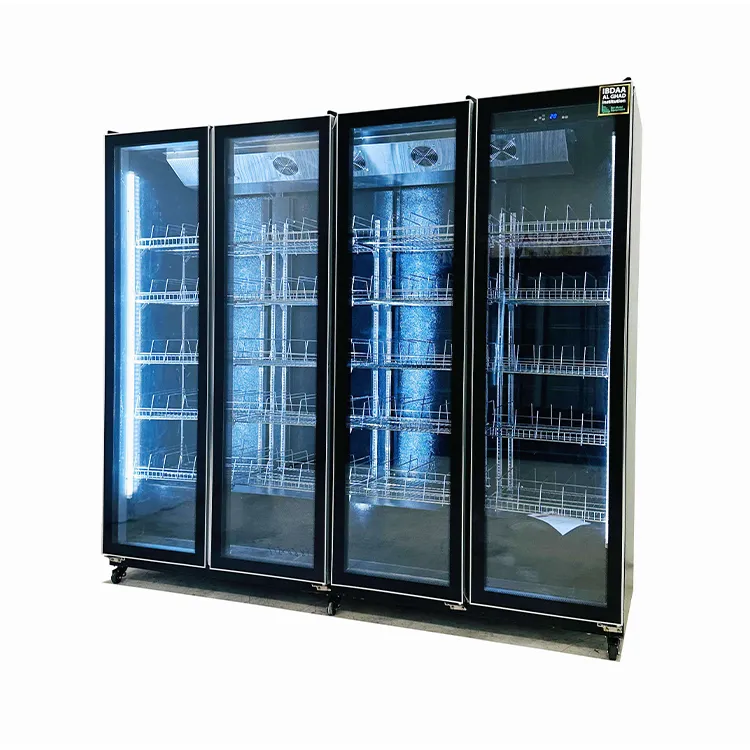
A household fridge is designed around residential use.
A commercial bottle cooler is designed around professional beverage service.
The differences can include:
| Feature | Household Refrigerator | Commercial Bottle Cooler |
|---|---|---|
| Usage | Residential use | Commercial use |
| Door-Opening Frequency | Moderate | Frequent |
| Storage | Household food | Bottles and cans |
| Construction | Residential-grade | Commercial-duty |
| Service Environment | Low-traffic areas | High-traffic environments |
| Interior Layout | General food storage | Beverage-focused storage |
| Operation | Typical household schedule | Extended operating periods |
A commercial refrigerator also needs to work in environments where ambient temperature may be higher than a typical home kitchen.
This is one reason restaurant operators should not replace dedicated restaurant equipment with ordinary household appliances.
A kegerator is designed specifically to refrigerate beer kegs and connect them to a dispensing system.
A back bar cooler, by comparison, primarily stores packaged beverages such as bottles and cans.
Choose a Back Bar Cooler When:
Choose a Kegerator When:
Some commercial bars may use both.
For example, a restaurant can use a back bar refrigerator for bottled and canned beverages while using a separate draft beer system for beer keg service.
Draft beer and draught beer generally refer to beer served from a keg rather than directly from a bottle or can.
The spelling differs mainly by regional usage.
A bar serving draft beer needs refrigeration for kegs and may also require:
This is different from a bottle cooler designed to store packaged beer.
For a beverage business, identifying the service method is therefore an important step before purchasing refrigeration equipment.
A well-positioned bar cooler can improve workflow in several ways.
First, it places chilled beverages behind the bar, where staff need them most.
Second, it reduces unnecessary movement.
Third, organized storage means employees can find products quickly.
Fourth, a glass-door beverage cooler can help customers see available products.
These benefits become more noticeable during peak service.
Imagine a bartender serving a full restaurant.
Every unnecessary step takes time.
A properly configured back bar cooler keeps cold drinks close, helping staff maintain fast service.
This is why refrigeration should be considered part of the complete bar workflow rather than a standalone appliance.
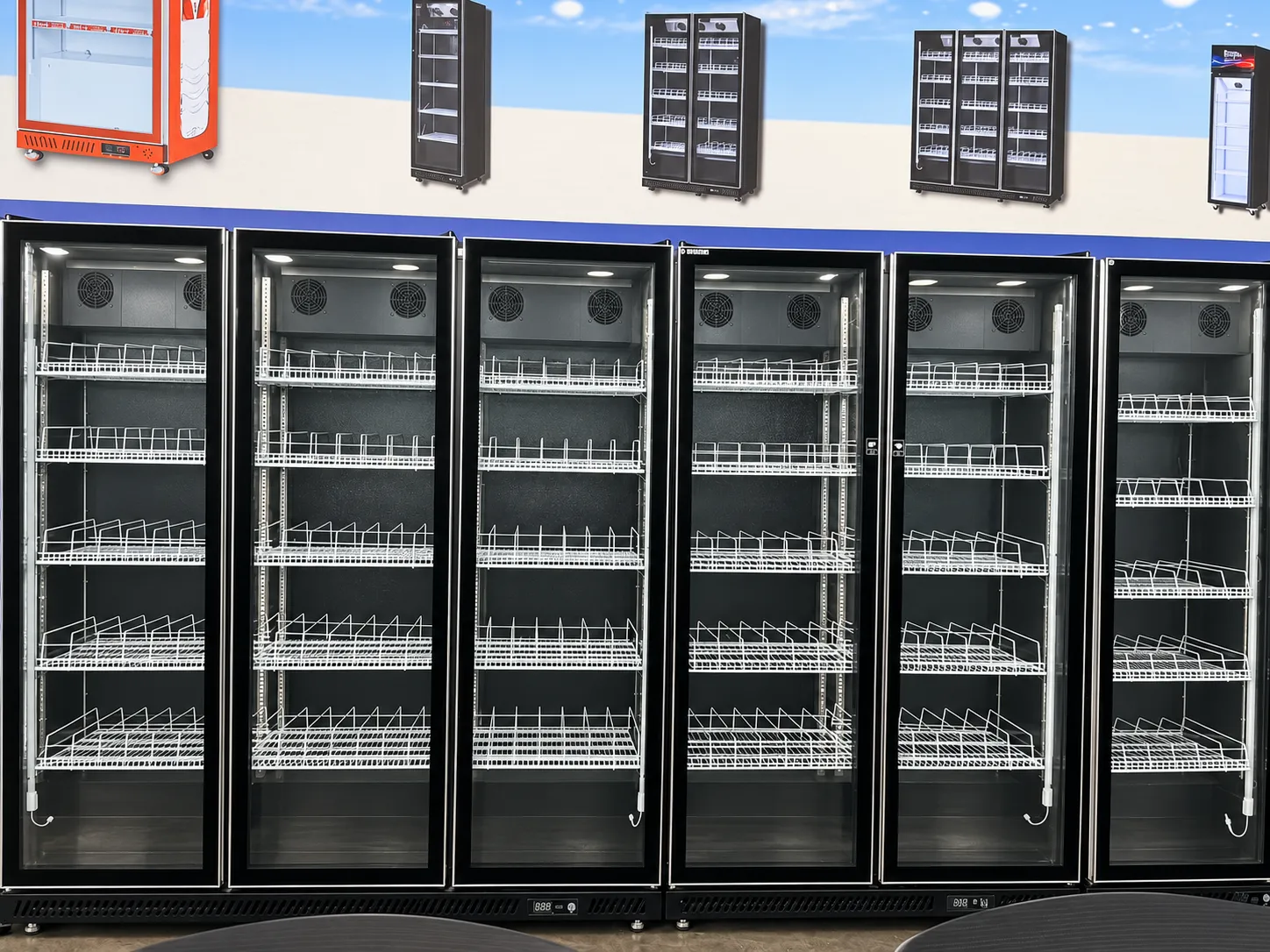
The ideal bar refrigerator depends on the business model.
A cocktail lounge may prioritize compact dimensions.
A sports bar may prioritize large beverage storage.
A restaurant may need a combination of beverage and food refrigeration.
A hotel may require several refrigeration zones.
A supermarket beverage section may prioritize product visibility.
| Aplicação | Recommended Refrigeration Solution |
| Cocktail Bar | Compact back bar refrigerator |
| Pub | Bottle cooler |
| Sports Bar | Large-capacity beer cooler |
| Restaurant | Beverage and food refrigeration |
| Hotel | Multiple commercial refrigerators |
| Beverage Retailer | Glass-door beverage cooler |
| Convenience Store | Commercial beverage cooler |
The right equipment should fit the business rather than forcing the business to adapt around the equipment.
Before ordering a commercial back bar cooler, confirm the following:
Capacidade
How many bottles and cans need to be stored?
Dimensões
Measure the available:
Tipo de porta
Choose between:
Temperatura
Define the required beverage storage temperature.
Electrical Requirements
Confirm:
Sistema de refrigeração
Verificar:
Construction
Look for durable materials and easy-clean surfaces.
Serviço
Confirm spare parts, warranty terms, technical support, and after-sales service.
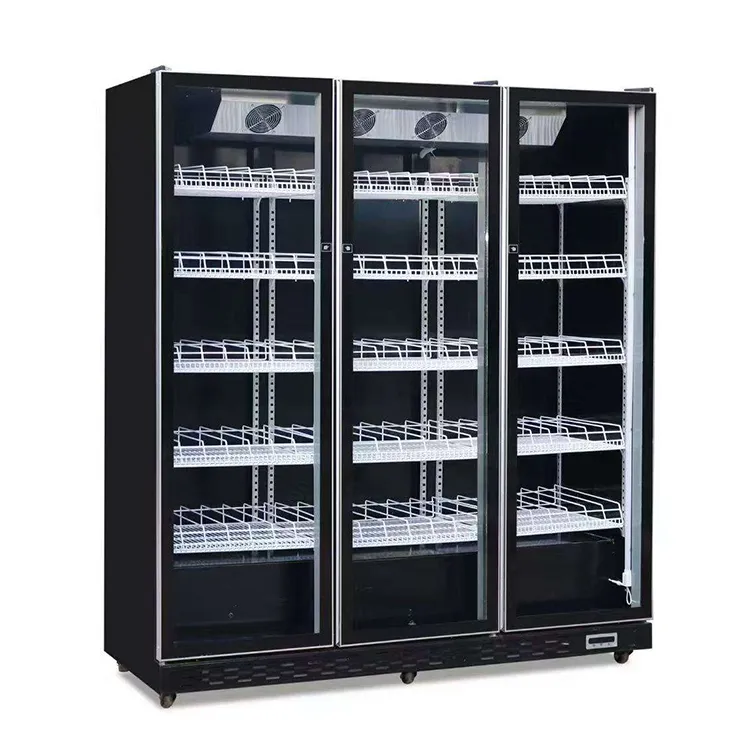
A cooler that operates every day can become a significant part of a bar’s electricity consumption.
Energy efficiency therefore matters.
Important design factors include:
Dirty condenser coils can restrict heat transfer and force the refrigeration system to work harder.
Regular maintenance can help maintain energy efficiency and consistent cooling.
For a restaurant owner, the goal is not simply to buy the cheapest refrigerator.
The better approach is to consider:
Purchase price + electricity + maintenance + service life = total cost of ownership
A slightly higher-quality refrigerator may provide better value if it delivers reliable cooling and lower costs over time.
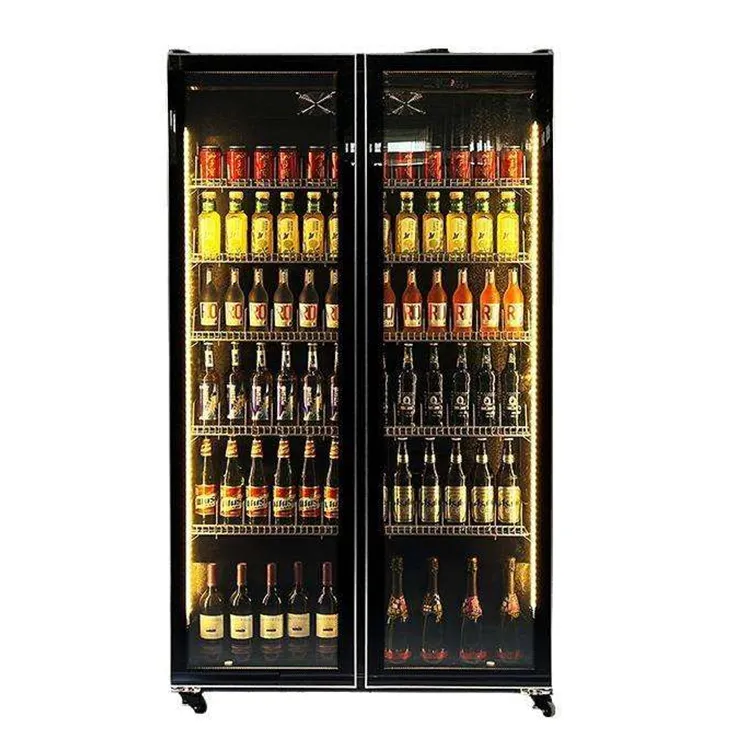
A refrigerador de bebidas with a glass door can combine refrigeration and merchandising.
This is useful for:
When customers can see chilled beverages, the refrigerator becomes part of the sales environment.
A well-organized commercial beverage cooler can display:
LED lighting can further improve product presentation.
For retail environments, visibility can encourage impulse purchases while allowing staff to monitor inventory more easily.
A horizontal bottle cooler can be useful when the available counter or service area favors a low-profile configuration.
An upright cooler provides more vertical storage and can offer a larger storage capacity within a smaller floor footprint.
Horizontal Configuration
Best for:
Best for:
The right configuration depends on your bar layout.
Some frigoríficos comerciais can store food, but a beverage-focused cooler should be selected according to its intended application.
If your business needs to store food, such as meat, dairy products, sauces, fresh ingredients, or prepared meals, choose refrigeration equipment specifically designed for food storage.
A beverage refrigerator is optimized for bottles and cans.
A commercial kitchen refrigerator may be better for ingredients.
This distinction is particularly important for restaurants that need both beverage storage and food storage.
Senlisi provides different commercial refrigeration solutions so customers can select equipment according to the application.
When purchasing commercial refrigeration internationally, the manufacturer matters.
A professional supplier should provide more than a product photo and a price.
Look for:
Senlisi is a global manufacturer and exporter of commercial refrigeration equipment based in Qingdao, China.
Our product range covers commercial refrigerators, freezers, display cabinets, beverage coolers, and customized refrigeration solutions.
We work with global B2B buyers including:
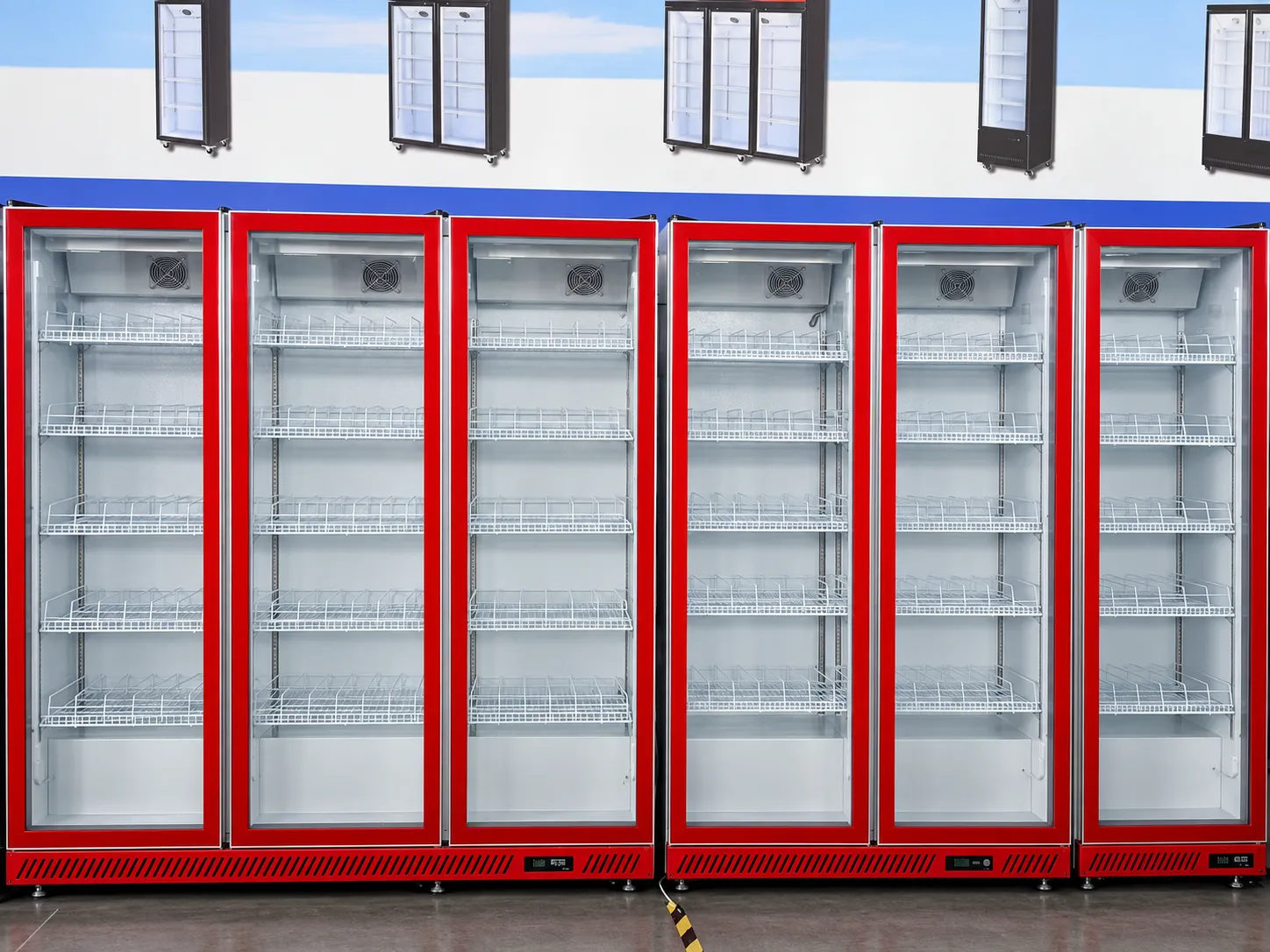
At Senlisi, we understand that a refrigeration project is not simply about buying a refrigerator.
The equipment needs to fit the customer’s:
space + products + temperature + workflow + electrical requirements + market
For bar and beverage applications, this may mean selecting:
For other professional applications, we also provide refrigeração comercial solutions for supermarkets, foodservice, retail, medical, and institutional customers.
Our manufacturing approach allows B2B customers to discuss:
This is particularly useful for distributors and importers looking for a stable commercial refrigeration supplier.
Distributors often require more than a standard product.
They may need:
Senlisi can evaluate OEM and customized commercial refrigeration requirements based on the customer’s project.
For a distributor selling coolers for sale in a specific market, having a consistent specification across repeated orders can simplify purchasing and inventory management.
It can also make after-sales support easier because the product configuration remains consistent.
When contacting a manufacturer, provide as much information as possible.
Instead of sending:
“I need a beer cooler. Please send price.”
Send:
Por exemplo:
“We are looking for a commercial back bar cooler for a restaurant chain. We need a 3-door glass-door configuration, 220V, suitable for bottled beer and cans, with a quantity of 50 units.”
This gives the manufacturer enough information to recommend the correct product and prepare a meaningful quotation.
Price should not be the only comparison point.
When evaluating coolers for sale, compare:
| Factor | Questions to Ask |
| Capacidade | How many bottles and cans can the unit hold? |
| Temperatura | Is the cooling range suitable for the intended beverages? |
| Compressor | Is it designed for continuous commercial operation? |
| Construction | Is the cabinet durable enough for the intended environment? |
| Door | Does the unit have a glass, solid, hinged, or sliding door? |
| Energy Efficiency | How energy-efficient is the unit? |
| Manutenção | Are the components easy to access and service? |
| Warranty | What warranty and after-sales support are provided? |
| Personalização | Can the manufacturer provide OEM or private-label services? |
| Delivery | What is the production lead time? |
The lowest purchase price does not always provide the best value.
Choosing Based Only on Price
A cheap unit may have higher energy consumption or weaker components.
Ignoring Door Clearance
A refrigerator can fit the cabinet space but still be difficult to open.
Buying Too Little Capacity
Insufficient storage becomes especially problematic during weekends and holidays.
Choosing the Wrong Door Design
A solid-door unit may not be ideal for customer-facing retail.
Ignoring Maintenance
Condenser coils, gaskets, and other components need regular inspection.
Forgetting Local Electrical Requirements
Always confirm voltage and frequency before production.
Treating a Household Fridge as Restaurant Equipment
Commercial environments place greater demands on refrigeration.
Consider a restaurant that sells:
The operator could divide refrigeration into several functions.
Behind the Bar
A back bar cooler stores the most frequently sold beverages.
Beverage Display
A glass-door beverage cooler displays bottled and canned drinks.
Food Storage
A commercial refrigerator stores ingredients.
Draft Beer
A dedicated keg and beer dispensing system handles draft beer.
This approach creates a more organized refrigeration system.
It also prevents a single refrigerator from being overloaded with completely different products.
For a growing business, this type of planning can improve storage efficiency and service speed.
Regular maintenance helps preserve consistent cooling and reduce unnecessary operating costs.
Clean Condenser Coils
Dust and grease can accumulate around condenser coils, particularly in busy commercial kitchens.
Check the Gasket
Inspect the door gasket regularly.
A damaged gasket can allow cold air to escape.
Keep Airflow Clear
Do not block internal air circulation with overloaded shelves.
Avoid Excessive Overloading
Leave enough space for cold air to circulate.
Check Temperature
Monitor the refrigerator regularly to confirm stable operation.
Clean the Interior
Bottles and cans can leak or spill.
A clean refrigerator supports better hygiene and easier inventory management.
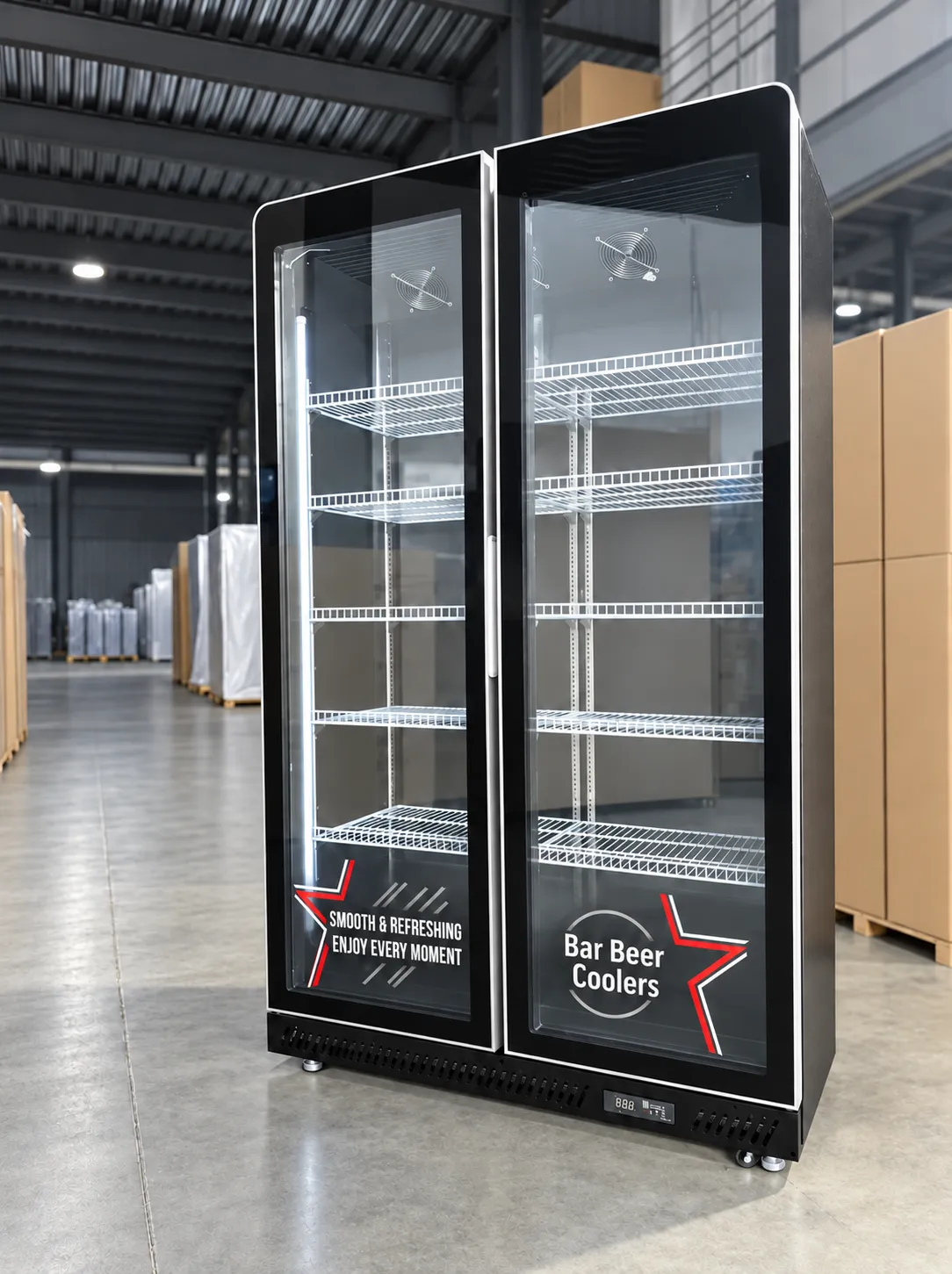
A back bar cooler is designed around commercial beverage service and is normally positioned behind or under a bar counter. A household refrigerator is designed for residential use and may not be suitable for frequent commercial door opening or high-volume beverage storage.
The best cooler depends on storage volume, available space, door configuration, temperature requirements, and service frequency. A bottle cooler or commercial back bar cooler is often suitable for bottled beer in bars and restaurants.
Yes. Many commercial beverage refrigeration systems are designed to store both cans and bottles. The internal shelving should be selected according to the size and mix of products.
Choose a glass door when product visibility and merchandising are important. A solid door can be more suitable for back-of-house storage where visibility is less important.
Energy efficiency depends on the compressor, insulation, door sealing, lighting, refrigeration design, ambient conditions, and maintenance. Look at actual technical specifications rather than relying only on the term “energy-efficient.”
Yes. Senlisi works with global B2B customers on customized commercial refrigeration requirements, including capacity, dimensions, door configurations, voltage, branding, and packaging.
Start with your daily beverage volume, peak demand, available installation space, required temperature, door style, product mix, electrical requirements, and future expansion plans.
The right bar beer cooler should do more than make beer cold.
It should support the way your business actually operates.
For a pub, that may mean a high-capacity bottle cooler.
For a restaurant, it may mean a combination of back bar cooler, beverage refrigerator, and commercial kitchen refrigeration.
For a beverage retailer, a glass-door commercial beverage cooler may provide both chilled storage and product display.
For a business serving draft beer, a kegerator or dedicated keg refrigeration system may be necessary.
Before buying, consider:
Senlisi provides commercial refrigeration equipment and customized solutions for global B2B buyers in foodservice, retail, hospitality, and other professional applications.
If you are sourcing commercial back bar coolers, bottle coolers, beverage refrigerators, beer refrigeration equipment, or customized bar refrigeration, send us your required capacity, dimensions, quantity, voltage, destination market, and preferred configuration.
Our technical team can evaluate your requirements and recommend a suitable commercial refrigeration solution.
Cold beverages should be ready when your customers order them. The right refrigeration system helps make that happen—reliably, efficiently, and every day.
2026-09
Bars and restaurants cannot afford warm drinks, slow service, or refrigeration equipment t…
2026-09
Commercial grade refrigerator" is one of the most searched phrases by restaurant owners, s…
Responder-lhe-emos no prazo de 24 horas. Se for um caso urgente, adicione WhatsApp/WeChat: +8617806295551. Ou ligue diretamente para +8617806295551/+8617660987312.
*Respeitamos a sua confidencialidade e todas as informações são protegidas.
Apenas utilizaremos as suas informações para responder ao seu pedido e nunca enviaremos mensagens de correio eletrónico ou mensagens promocionais não solicitadas.