





How to Choose a Commercial Back Bar Cooler or Glass Door Beverage Refrigerator
Compare bar coolers, back bar and undercounter designs, beer temperature needs, glass door…

 14:21
14:21 A regular refrigerator may look good at first, but it can fail fast in a busy business. Weak cooling, poor durability, and slow recovery can hurt food safety. A commercial refrigerator gives stronger refrigeration for real daily operation.
A commercial refrigerator is different from a regular refrigerator because it is built for heavy use, frequent opening, larger storage capacity, precise temperature control, stronger compressor performance, and commercial food safety needs. This buying guide explains the main differences and helps buyers choose the right commercial fridge.
A frigorífico comercial is a refrigeration unit designed for business use. It keeps food, beverages, ingredients, medicines, flowers, or display products cold in a professional setting. You can find it in restaurants, supermarkets, grocery stores, hotels, cafes, bakeries, butcher shops, pharmacies, convenience stores, and public food service areas.
A commercial fridge is not just a bigger home refrigerator. It is built for frequent use, larger storage space, and faster temperature recovery. In a commercial kitchen, staff may open and close the door many times during one shift. The refrigerator must keep cold air stable even when the door opens often.
Senlisi is a global manufacturer and exporter of commercial refrigeration equipment based in Qingdao, China. We provide commercial refrigerators, freezers, display cabinets, and customized refrigeration solutions for supermarkets, food service, medical, hospitality, retail, and institutional applications.
The difference between a commercial refrigerator and a regular refrigerator starts with use. A regular refrigerator is made for personal use in a home. A commercial refrigerator is designed to cater to the needs of a food business, retail shop, hotel, or professional kitchen.
The main differences include cooling power, durability, storage capacity, temperature control, materials, maintenance needs, and daily workload. Residential refrigerators are usually opened a few times per day. Commercial-grade refrigerators may face constant opening and closing of doors during busy service hours.
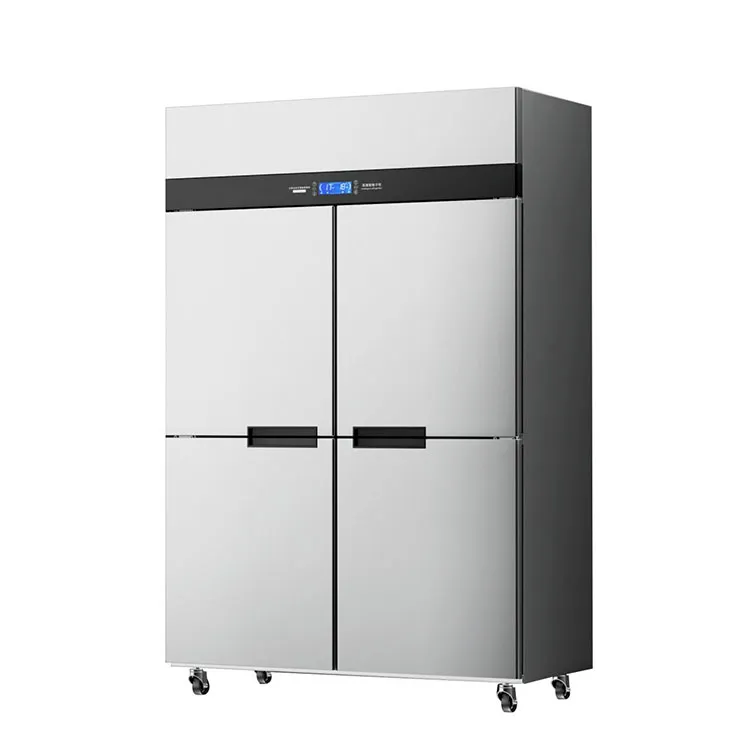
Commercial-grade refrigerators are built for frequent opening, heavy loading, and long working hours. In a fast-paced commercial environment, a refrigerator may run all day and all night. Staff open the door, remove products, restock shelves, and close it again. This creates wear and tear.
A household refrigerator is not designed for this level of use. It may cool food well at home, but it may struggle in a commercial setting where there is heat, staff traffic, and large quantities of food. Commercial refrigerators are built with stronger parts to handle this pressure.
Common durability features include:
This durability matters because downtime costs money. If a commercial unit stops working during lunch service or weekend retail hours, the business may lose food, sales, and customer trust.
Temperature control is one of the biggest reasons to choose a commercial refrigerator. Food safety depends on keeping perishable goods at the right cold temperature. If food gets too warm, quality drops and safety risks increase.
The FDA Food Code uses 5°C / 41°F or less as an important cold-holding reference for time and temperature control foods. This is why restaurants, cafes, delis, supermarkets, and food service buyers need refrigeration systems that can maintain a consistent temperature.
Commercial refrigerators are designed to keep food and beverages cold even with frequent opening. A regular refrigerator may lose cold air and recover slowly when used like a business refrigerator. That can be a problem in a busy commercial kitchen.
For food safety, buyers should check:
A reliable commercial refrigerator helps keep food cold, protects stock, and supports safer daily operations.
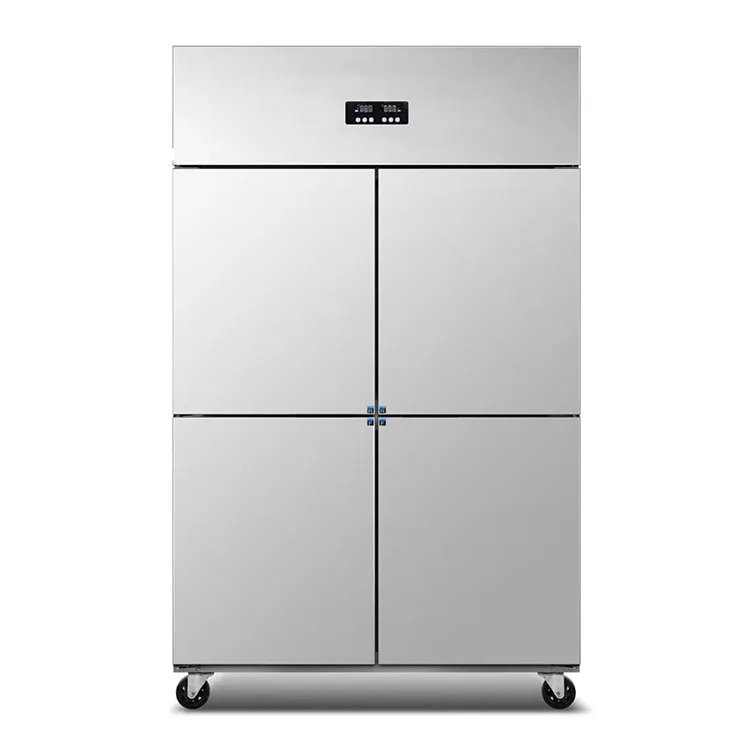
The compressor is the heart of a refrigerator. It helps the refrigeration system remove heat from the cabinet. Commercial refrigerators use more powerful compressor designs because they must cool larger storage space and recover quickly after door opening.
A residential fridge normally works in a stable home environment. A commercial fridge may work in a hot kitchen, near cooking equipment, or in a busy store. It must handle frequent opening, warm air entry, and heavy product loading.
Commercial refrigerators are designed to keep a consistent temperature even when the environment is harder. This is why the compressor, fan system, condenser, and insulation all matter.
Commercial refrigerators may consume more energy than residential models because they are larger, stronger, and designed for heavy use. They often use more power than residential refrigerators because they must cool more space and handle frequent door opening.
But this does not mean every commercial fridge is wasteful. Modern commercial refrigeration can be energy-efficient. ENERGY STAR certified commercial refrigerators are designed to use less energy than standard models. ENERGY STAR states that certified commercial refrigerators and freezers are on average 20% more energy efficient than standard models.
Energy consumption depends on:
A good energy-efficient commercial refrigerator can help reduce energy consumption and lower operating cost. For B2B buyers, the right model can save money over time.
Simple energy cost formula:
Custo anual de energia = Consumo anual de energia × Preço local da eletricidade
A large commercial unit may cost more to run than a home refrigerator, but it also does a much harder job. The goal is not to buy the smallest unit. The goal is to choose the right size and the right efficiency level.
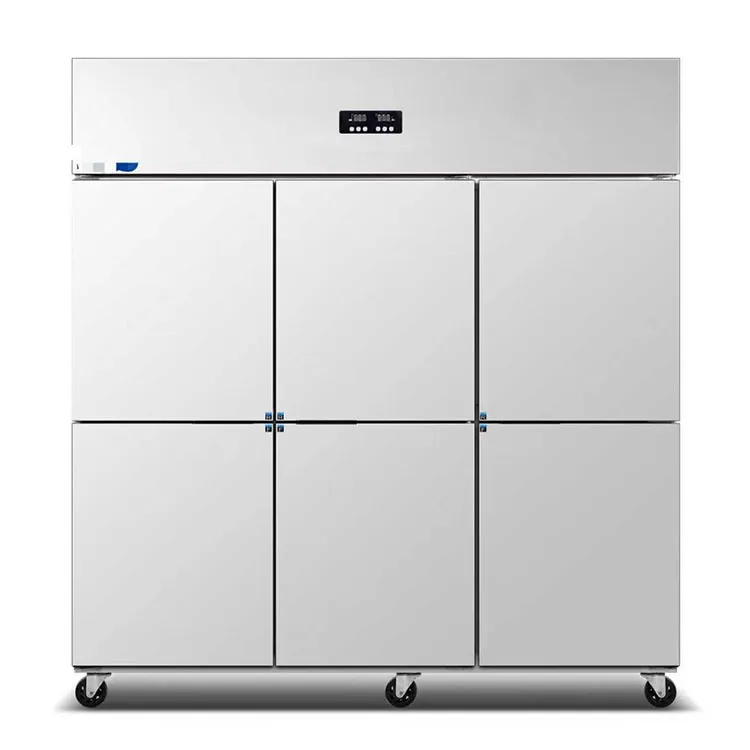
Some people ask whether they can use a commercial refrigerator for home use. The answer is yes in some cases, but it is not always the best choice.
A commercial fridge can provide strong cooling and larger storage capacity. It may be useful in a villa kitchen, private club, home bar, garage food storage area, or large family entertainment space. But it may also be louder, heavier, and more powerful than a residential fridge.
Before using a commercial refrigerator at home, check:
A household fridge is usually better for normal personal use. A commercial refrigerator is better when the user truly needs professional storage, strong durability, and more refrigeration capacity.
The first mistake is using a regular refrigerator in a commercial setting. A household refrigerator may not handle heavy use, constant opening and closing, or the demands of a busy kitchen. This can create food safety and durability problems.
The second mistake is choosing only by price. A low-cost commercial unit may look attractive, but weak parts, poor insulation, and low-quality door seals can increase energy consumption and maintenance cost.
The third mistake is buying the wrong size. A refrigerator that is too small causes crowding and poor airflow. A refrigerator that is too large may waste space and energy. Help reduce energy consumption by choosing the right storage size.
A simple rule: choose a frigorífico comercial based on use, temperature, space, workflow, and long-term value.
Senlisi is a global manufacturer and exporter of commercial refrigeration equipment based in Qingdao, China. We provide commercial refrigerators, freezers, display cabinets, beverage coolers, ice makers, and customized refrigeration solutions for supermarkets, food service, medical, hospitality, retail, and institutional applications.
Entre os nossos clientes no estrangeiro contam-se supermercados, mercearias, cadeias de lojas de conveniência, cadeias de restaurantes e cafés, hotéis e resorts, talhos e charcutarias, retalhistas de bebidas, distribuidores de gelados e alimentos congelados, farmácias e estabelecimentos de saúde, retalhistas de flores e plantas, e organizações do setor público.
For B2B buyers, we can support:
Senlisi helps buyers choose equipment that matches real business use. We care about cooling performance, durability, delivery, and long-term cooperation.
The main difference is use. A commercial refrigerator is built for business use, frequent opening, larger storage capacity, and stronger temperature control. A regular refrigerator is built for home use and lighter daily demand.
Yes. Commercial-grade refrigerators usually use more durable materials, stronger shelves, better door gaskets, and more powerful compressors. They are designed for heavy use in professional kitchens and retail spaces.
Commercial refrigerators can consume more energy than residential models because they are larger and stronger. However, energy-efficient commercial refrigerators can help reduce energy consumption and lower operating cost over time.
It is not recommended for most food businesses. A regular refrigerator may not keep a consistent temperature under frequent use. For food safety and durability, a commercial refrigerator is usually the better choice.
Choose based on your use. A reach-in refrigerator is good for restaurants. A glass door refrigerator is good for retail display. An undercounter refrigerator saves space. A walk-in cooler is best for large storage needs.
Regular maintenance includes cleaning coils, checking door seals, keeping airflow clear, cleaning the interior, monitoring temperature, and repairing worn parts quickly. Good maintenance helps extend service life.
2026-10
Compare bar coolers, back bar and undercounter designs, beer temperature needs, glass door…
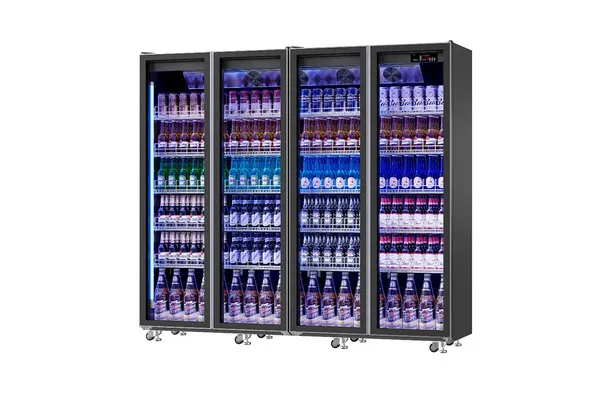
2026-09
The SLS-ZD1860 Combo Island Cabinet measures 1860 × 810 × 800 mm and lists a temperature r…
Responder-lhe-emos no prazo de 24 horas. Se for um caso urgente, adicione WhatsApp/WeChat: +8617806295551. Ou ligue diretamente para +8617806295551/+8617660987312.
*Respeitamos a sua confidencialidade e todas as informações são protegidas.
Apenas utilizaremos as suas informações para responder ao seu pedido e nunca enviaremos mensagens de correio eletrónico ou mensagens promocionais não solicitadas.