






How to Choose a Commercial Back Bar Cooler or Glass Door Beverage Refrigerator
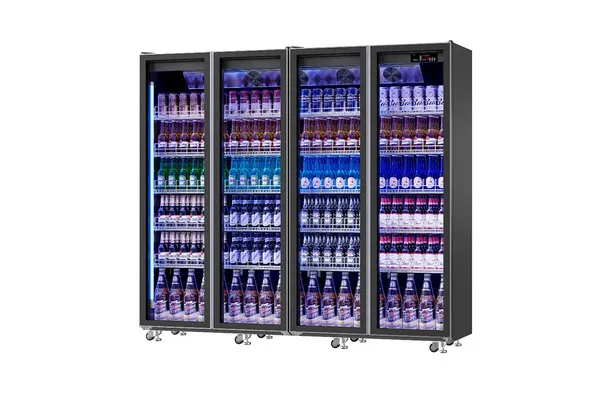
Compare bar coolers, back bar and undercounter designs, beer temperature needs, glass door…
 17:26
17:26 Soğutulmuş etler, marine edilmiş ürünler ve dondurulmuş eklentiler tek bir hattı paylaştığında, normal bir kasa genellikle dağınıklığa, zayıf ürün görünürlüğüne ve sıcaklık tehlikesine neden olur. Üç bölgeli kademeli bir ünite, ürünleri sıcaklıklarına göre ayırarak ve her bir ürüne daha net bir satış konumu sağlayarak bu sorunu çözer.
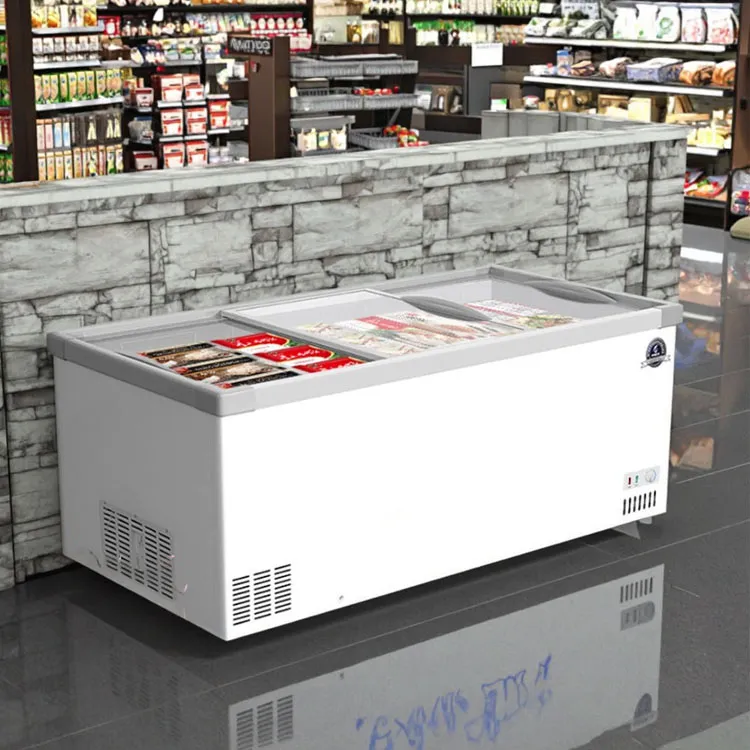
A ti̇cari̇ üç sicaklikli merdi̇venli̇ si̇pari̇ş kabi̇ni̇ ürünleri aynı anda üç farklı sıcaklık bölgesinde tutmak için tasarlanmış kademeli bir soğutmalı teşhir dolabıdır. Senlisi'nin sitesinde, bu model 1600 × 1030 × 1500 mm boyutlarında, R290 kullanılarak, 2°C ila 8°C soğutma, -8°C ila -5°C yumuşak dondurma ve -18°C ila -15°C dondurma bölgeleri ile listelenmiştir ve şarküteri tezgahları, kasap dükkanları ve taze et satışı için uygundur.
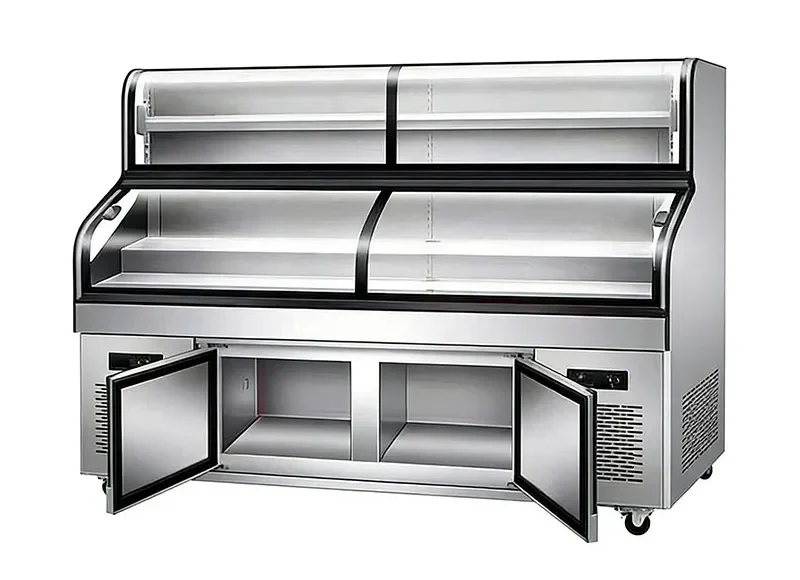
Bunun gibi kademeli bir dolap, ürünlerin hepsinin aynı depolama koşuluna ihtiyaç duymadığı profesyonel gıda teşhirleri için üretilmiştir. Ünite, her işi tek bir buzdolabı veya tek bir dondurucuya yaptırmak yerine, teşhir ünitesini ayrı bölgelere ayırır. Bu da merdiven düzenini taze et, hazır malzemeler, yumuşak dondurulmuş ürünler ve hızlı perakende paketleri için daha pratik hale getirir.
Senlisi'nin resmi ürün listesinde ünite, basamak tarzı katmanlı bir yapıya, üç bölgeli sıcaklık ayrımına, arka sürgülü kapılara, enerji tasarruflu fanlara, kavisli cama ve LED aydınlatmaya sahip üç sıcaklıklı üç kontrollü bir merdiven modeli olarak sunuluyor. Basit bir ifadeyle, bir soğutma cihazı olduğu kadar bir satış aracıdır. Alıcıların her şeyi tek bir düz kuyuda saklamak yerine ürünleri kategoriye, aciliyete ve marja göre organize etmelerine yardımcı olur.
Tek sıcaklıklı bir ünite satın almak kolaydır, ancak genellikle operatörleri ödün vermeye zorlar. Taze etler, hafif dondurulmuş paketler ve derin dondurulmuş ürünler aynı şekilde davranmaz. Bunları tek bir bölgeye koyduğunuzda ya bir grubu aşırı soğutmuş ya da diğerini yetersiz korumuş olursunuz. Kademeli çok bölgeli bir kurulum, operatörün ürünü doğru koşulla eşleştirmesine izin vererek bunu düzeltir.
Bu gerçek hizmette önemlidir. Bir şarküteri, et dükkanı veya taze ürün tezgahı, yakın vadeli satış için bir bölgeye, yarı dondurulmuş porsiyon kontrolü için bir bölgeye ve daha uzun süreli dondurulmuş bekletme için bir bölgeye ihtiyaç duyabilir. Bu nedenle bunun gibi bir ticari teşhir dolabı, karışık menü operasyonlarında basit bir sandık buzdolabı, düz vitrin veya standart dikey dondurucudan daha iyi performans gösterebilir. Sadece soğuk hava değil, düzen de yaratır.
B2B alıcıları için çıkarım basittir: üç bölgeli bir sistem yenilikten ziyade ürün çatışmasını azaltmakla ilgilidir. Tek bir satış alanında farklı SKU'lar için daha temiz satış, daha hızlı toplama ve daha istikrarlı kullanım sağlar.
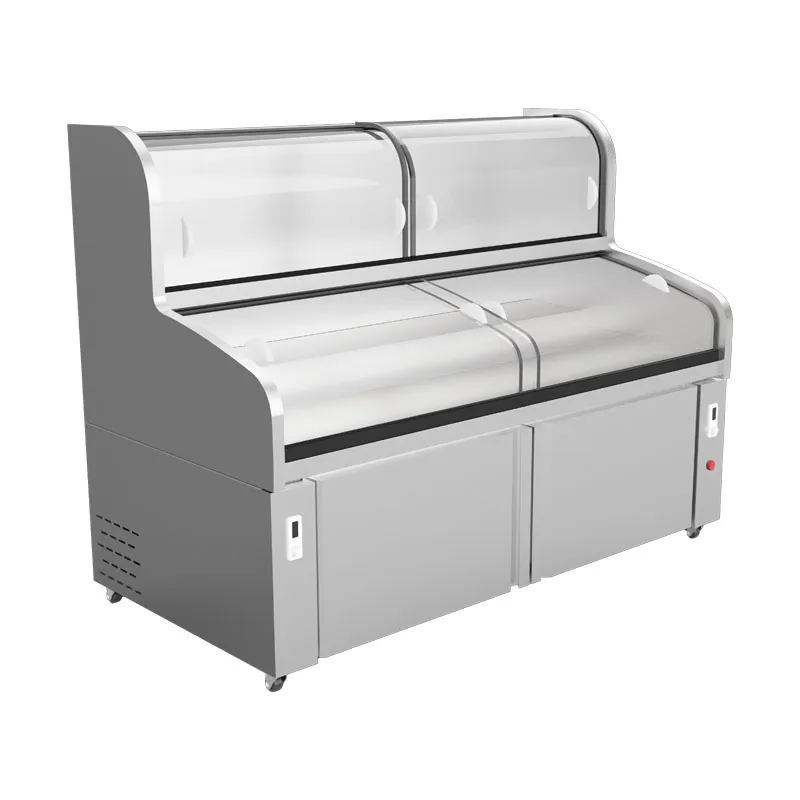
Bu model, tamamen pişirilmiş sıcak servis yerine soğutulmuş ve dondurulmuş perakende satışa hazır ürünler için en iyi sonucu verir. Taze et paketleri, marine edilmiş şişler, hazırlanmış etler, dondurulmuş garnitürler, köfteler, köfteler, çabuk kapılan protein paketleri ve ızgara için soğutulmuş malzemeler buna iyi örneklerdir. Barbekü işletmeleri için, pişirmeden önce çiğ veya marine edilmiş barbekü ürünlerini destekleyebilir ve satışa hazır paketlerin bir ön tezgah vitrininde sahnelenmesine yardımcı olabilir.
Ayrıca şarküteri perakendeciliği, taze tezgahlar ve yerinde hazırlık ile al-git'i birleştiren hibrit mağazalarda da kullanışlıdır. Ticari bir süpermarkette, kademeli şekil premium, standart ve promosyon hatlarını ayırmaya yardımcı olur. Bir kasap dükkanında porsiyon görünürlüğünü artırabilir. Bir markette, zemin alanı sınırlı olduğunda karışık soğutulmuş ve dondurulmuş dürtü ürünlerini destekleyebilir.
Bu format, derin arka oda depolamasına kıyasla mağaza önü satışına daha iyi uyum sağlar. Ben olsam şarküteri reyonlarına, et satış bölgelerine, açık perakende servis hatlarına ve ürün sunumunun dönüşümü doğrudan etkilediği taze hazırlık servis alanlarına yerleştirirdim. Senlisi bu aileyi taze gıda reyonları, hipermarketler, kasap dükkanları ve şarküteri reyonları için konumlandırıyor.
Bir mutfakta, ham yığın depolama için ilk tercih bu değildir; bir hazırlık masası, soğuk oda veya dik buzdolabı genellikle burada daha iyi çalışır. Ancak restoran servis hattı için bir dolapta, basamaklı form hızlı toplama ve çekici sergilemeyi destekleyebilir. Ayrıca, personelin müşterilerin paketlenmiş ürünleri net bir şekilde karşılaştırmasını istediği self-servis düzenlerine de uygundur.
Bir fırın veya tatlı işletmesi için uygunluk menüye bağlıdır. Dondurulmuş tatlıları veya soğutulmuş malzemeleri destekleyebilir, ancak esas olarak pasta keki vitrinine veya sıcak pasta sunumuna ihtiyaç duyan fırınlar için otomatik olarak ideal değildir. Pastacılıkla uğraşan bir işletme, bunun yerine özel bir soğutmalı tatlı kasasını veya hazır pasta hatları için bir sıcak yemek ısıtıcı ekranını tercih edebilir.
Bu tasarımın ana gücü ayırmadır. Hafif soğuk sıcaklıklarda soğutulması gereken ürünler, yumuşak dondurucu veya dondurulmuş bölgeye ait ürünlerle rekabet etmek zorunda değildir. Bu, tazeliğin korunmasına yardımcı olur, taze tutmayı destekler ve “bir dolabın menünün yarısı için yanlış işi yapması” gibi yaygın bir sorunu azaltır.”
Ayrıca daha net stok rotasyonunu da destekler. Personel daha hızlı hareket eden soğutulmuş hatları üst basamağa, dondurulmuş yedek paketleri aşağıya ve yarı dondurulmuş ürünleri ortaya yerleştirebilir. Pratikte bu, toplama hızını artırır ve tekrarlanan ürün karıştırmalarından kaynaklanan sıcaklık istismarını azaltır.
Projeniz bu kademeli formatı açık çok katlı veya hava perdeli bir merchandiser ile karşılaştırıyorsa, kullanım durumundaki farkı unutmayın. Hava perdeli modeller açık erişim ve ambalajlı perakende için güçlüdür, hava perdeli üç bölgeli kademeli sayaç operatörün daha sıkı bölge ayrımı, daha kontrollü erişim ve daha yoğun bir taze gıda sunumu istediği durumlarda daha güçlüdür.
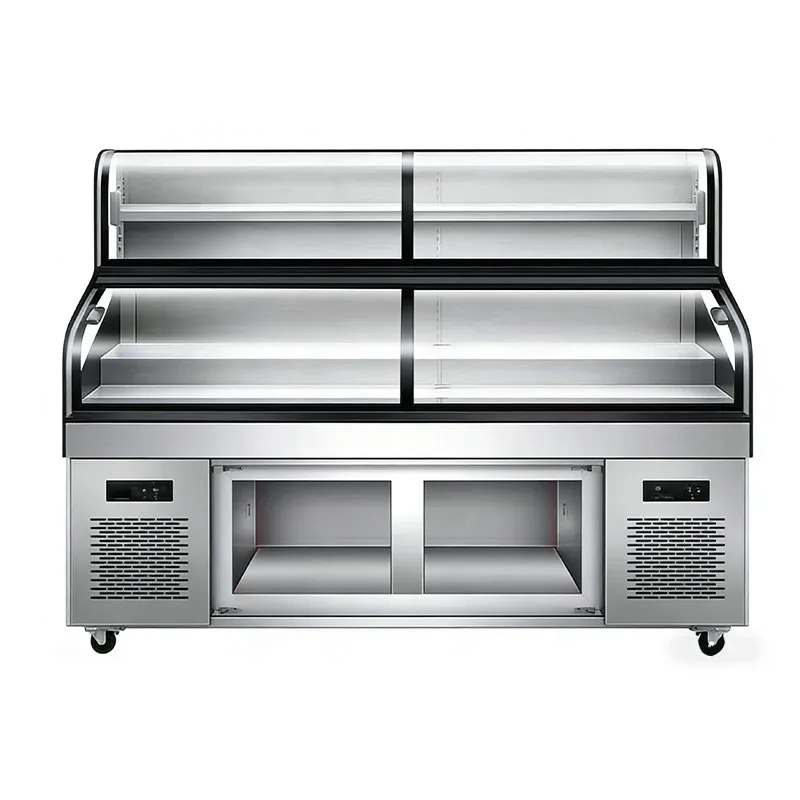
Evet, işte bu noktada bir fabrika ortağı önemlidir. Senlisi Ürün serilerinin voltaj, boyut, marka ve dış kaplama açısından özelleştirilebileceğini belirtiyor ve daha geniş fabrika sayfalarında OEM / ODM desteği, şirket içi üretim ve küresel pazarlar için ihracat belgeleri vurgulanıyor.
Bu tür kademeli satış üniteleri için alıcılar genellikle genişlik, iç düzen, renk, logo, bölgesel güç kurulumu ve satış yapılandırması gibi ayrıntıları özelleştirmek ister. Mağaza formatınız sık sık değişiyorsa raf veya bölücü sisteminin ayarlanabilir olup olmadığını, ünitenin bir tezgah hattı için yerleşik hale getirilip getirilemeyeceğini ve aynı tedarikçiden eşleşen masa dolabı modüllerinin veya tamamlayıcı soğutma ünitelerinin mevcut olup olmadığını sorun.
Bu, zincirler için önemlidir. Birden fazla mağaza açan bir grup, tek seferlik ekipman istemez. Tekrarlanabilir özellikler, istikrarlı tedarik ve daha kolay satış sonrası destek ister.
Bu hızlı alıcı kontrol listesini kullanmanızı öneririm:
Senlisi kendisini gıda hizmeti, perakende, konaklama, sağlık hizmetleri ve kurumsal kullanım için ticari soğutmaya odaklanan Qingdao merkezli küresel bir üretici olarak tanıtıyor. Sitede geniş ürün kapsamı, OEM/ODM esnekliği, şirket içi üretim, test, ihracat deneyimi ve kalite belgeleri vurgulanıyor. Bir restoran teşhir dolabı, bir gıda teşhir ısıtıcısı yardımcı hattı veya karma bir soğutma paketi tedarik eden alıcılar için bu genişlik yararlıdır çünkü bir tedarikçi projenin daha fazlasını kapsayabilir.
Ekibiniz teşhir, depolama, mağazacılık ve özel yapı seçeneklerini aynı görüşmede tartışabilecek tek bir tedarikçi istiyorsa, Senlisi bunun için iyi bir konumdadır. Birçok B2B alıcı için bu, sorgulamadan uygulanabilir proje spesifikasyonuna giden yolu kısaltır.
Hayır. Bu model soğutulmuş ve dondurulmuş bir satış ünitesidir, sıcak tutma ünitesi değildir. Pişirilmiş ürünlerin güvenli sıcak tutma sıcaklıklarının üzerinde tutulması gerekiyorsa, özel bir ısıtıcı veya ısıtmalı servis tezgahı kullanın.
Soğutulmuş taze et, şarküteri paketleri, marine edilmiş ürünler, yumuşak dondurulmuş ürünler ve dondurulmuş perakende hatları için en iyisidir. Ayrıca bazı hazır perakende formatlarını da destekleyebilir, ancak sıcak pişmiş bekletmeyi desteklemez.
Basamaklı şekil, ürün sunumunu iyileştirir, stok gruplandırmasını kolaylaştırır ve müşterinin teklifi daha hızlı okumasını sağlar. Ayrıca operatörlerin kategorileri sıcaklık ve marja göre ayırmasına yardımcı olur.
Evet. Senlisi bu ürün ailesini özellikle taze gıda tezgahları, hipermarketler, kasap dükkanları ve şarküteri tezgahları için sunar, bu nedenle zincir perakende ve profesyonel gıda hizmeti ortamlarına iyi uyum sağlar.
Evet. Senlisi, özelleştirilmiş voltaj, boyut, marka ve dış kaplamayı desteklediğini ve fabrika mesajında OEM / ODM üretim ve ihracat desteğini vurguladığını söylüyor.
Ürün karışımını, hedef sıcaklıkları, mağazanın kapladığı alanı, hizmet tarzını, arka erişim ihtiyaçlarını, malzeme tercihini ve ayrıca pasta kasası, sıcak tezgah veya arka oda buzdolabı gibi tamamlayıcı ekipmanlara ihtiyacınız olup olmadığını karşılaştırın.
2026-10
Compare bar coolers, back bar and undercounter designs, beer temperature needs, glass door…
2026-09
The SLS-ZD1860 Combo Island Cabinet measures 1860 × 810 × 800 mm and lists a temperature r…
Size 24 saat içinde cevap vereceğiz. Acil durum için lütfen WhatsApp/WeChat ekleyin: +8617806295551. Veya doğrudan +8617806295551/+8617660987312 adresini arayın.
*Gizliliğinize saygı duyuyoruz ve tüm bilgiler korunuyor.
Bilgilerinizi yalnızca sorunuza yanıt vermek için kullanacağız ve asla istenmeyen e-postalar veya tanıtım mesajları göndermeyeceğiz.