





How to Choose a Commercial Back Bar Cooler or Glass Door Beverage Refrigerator
Compare bar coolers, back bar and undercounter designs, beer temperature needs, glass door…
 11:54
11:54 Busy bars lose time, sales, and customer trust when drinks are not cold and ready. Warm beer creates complaints. Poor storage creates waste. A well-designed back bar cooler solves this problem by keeping beverages organized, visible, chilled, and easy to serve.
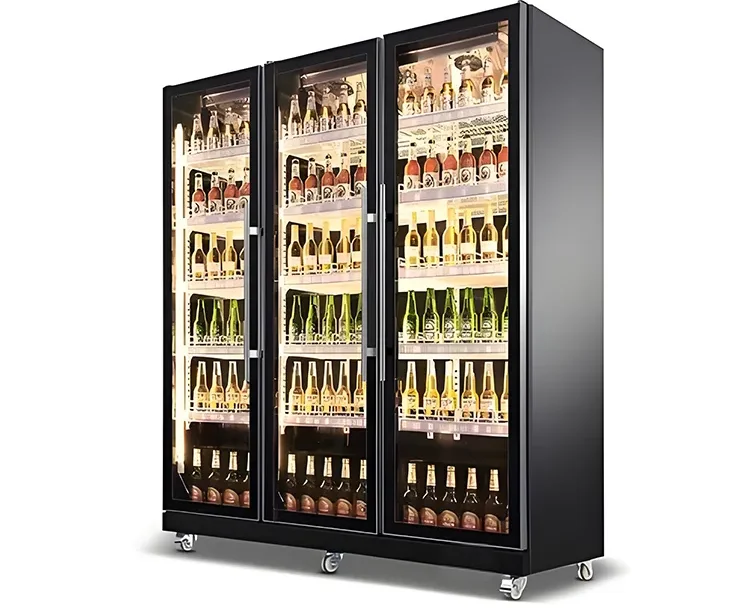
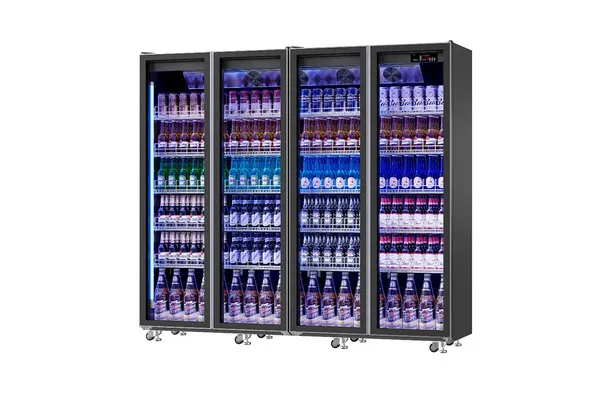
A back bar beer cooler is a commercial refrigerator designed to store bottles, cans, and sometimes kegs behind the bar. It helps bars and restaurants keep beer, wine bottles, soft drinks, and other beverages at a stable serving temperature while giving staff fast access during service.
A back bar cooler is a commercial refrigeration unit placed behind the bar. It is designed to fit under counters or along the back bar wall. It stores beer, bottled drinks, cans, mixers, and other cold drinks close to the bartender.
Unlike a home mini fridge, a commercial bar refrigerator is built for daily use. Staff may open the door hundreds of times during a busy night. The cooler must recover temperature quickly, hold steady cooling, and keep drinks ready to serve.
For a restaurant owner, the value is simple: a reliable cooler helps protect beverage quality, speed up service, and reduce lost sales. When customers order a cold beer, they expect it now. Not in ten minutes.
At Senlisi, we look at this equipment from the buyer’s side. A supermarket, café, hotel, pub, or convenience store does not just need “a fridge.” It needs a refrigerator used to store drinks safely, display them clearly, and support real business flow.
Beer quality depends on steady cooling. The Brewers Association recommends keeping kegs cold before tapping, often around 34–38°F for draught beer service guidance. It also notes that beer temperature and keg cooler air temperature should be controlled carefully for quality service.
For bottled and canned beer, the exact set point can vary by beverage type, local habit, and service style. Many bars aim for a cold, stable range that keeps cold beer fresh without freezing bottles.
A commercial beer cooler should offer:
Food safety also matters when a bar cooler stores food items or perishable mixers. The FDA notes that cold food should be kept at 41°F or below to reduce food safety risk.
So, if your refrigerator stores both drinks and food, you need to choose the set point carefully. The goal is simple: keep beer, mixers, and food items safe, stable, and ready to serve.
When you choose a beer storage solution, do not start with price alone. Start with your service model.
Ask these questions first:
A small café may only need a compact commercial bar refrigerator. A busy pub may need several commercial beer coolers, plus a kegerator and glass chillers.
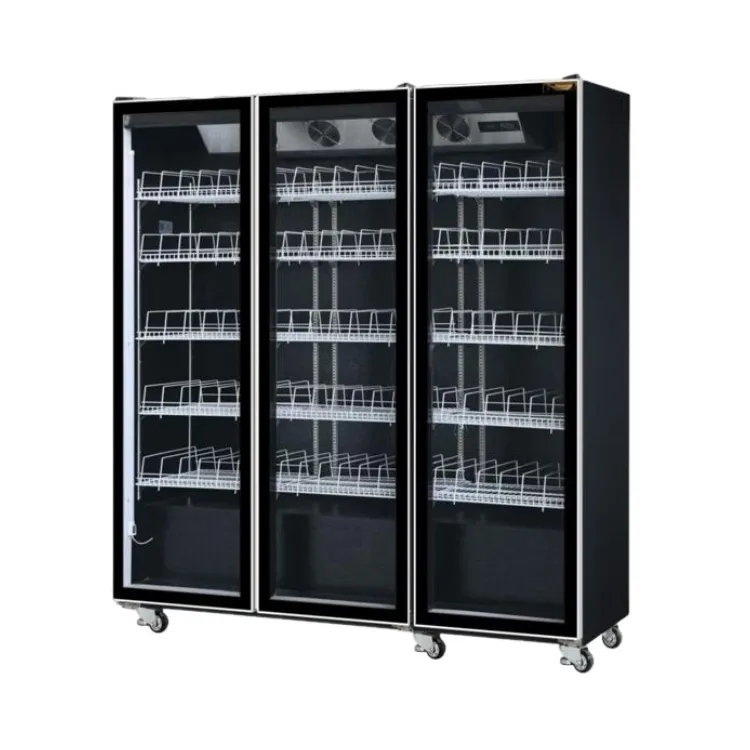
Commercial refrigeration runs all day and all night. That means energy use affects your monthly cost. Modern energy-efficient bar refrigeration equipment can help reduce power waste while keeping beverages stable.
The U.S. Department of Energy has issued energy conservation standards for commercial refrigerators, freezers, and refrigerator-freezers, showing that commercial refrigeration efficiency remains an important industry focus.
For buyers, energy efficiency is not only a technical feature. It affects real business results:
A well-built cooler uses strong insulation, good airflow, a reliable gasket, and a balanced cooling system. Clean condenser coils also help the unit perform better. When the system does not work too hard, it uses less energy and can deliver more consistent cooling.
This is why Senlisi focuses on practical commercial use. Global B2B buyers want equipment that can work every day, not only look good in a catalog.
Before you shop back bar coolers or compare the best deals, use this checklist.
If you need a right commercial solution, do not only compare price. Compare the full value: cooling performance, durability, layout fit, service support, and long-term operating cost.
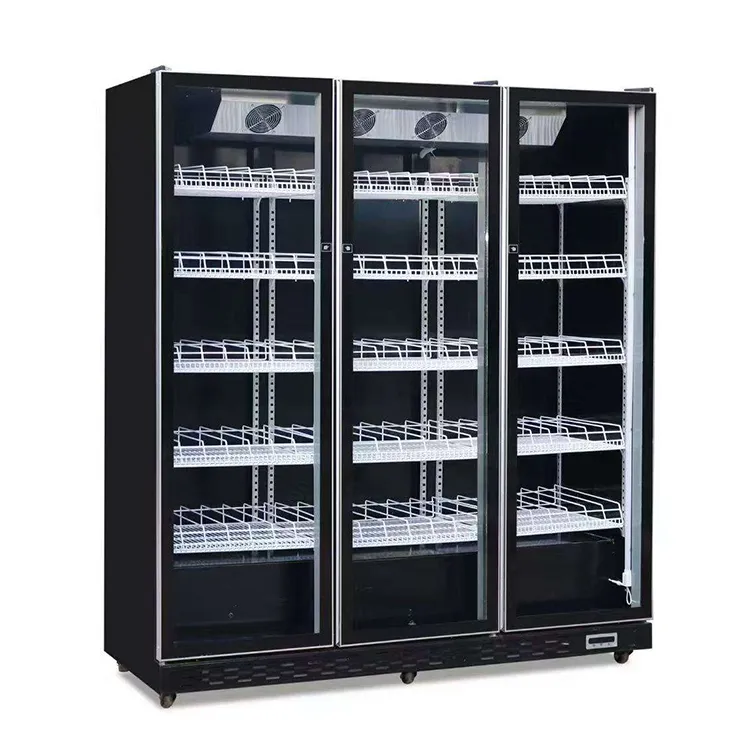
A back bar cooler is used to store beer, bottled drinks, canned beverages, mixers, and sometimes wine behind the bar. It keeps drinks cold, organized, and easy for staff to reach during service.
Not always. A bottle cooler mainly stores bottles and cans. A back bar cooler is usually placed behind the bar and may include glass doors, solid doors, sliding glass doors, shelves, lighting, and display features.
Choose a glass door cooler if you want product visibility and fast stock checking. Choose a solid door cooler if you prefer hidden storage, better privacy, or a cleaner equipment look.
Some commercial refrigerators can store food, but you must check the temperature range and food safety needs. If the unit is used to store food, it should maintain proper cold holding temperatures.
For draft beer, a kegerator or beer dispenser system is usually needed. A back bar cooler is better for bottled and canned drinks, while a kegerator is designed for keg storage and dispensing.
Clean the inside often, check the gasket, avoid overloading shelves, keep airflow clear, and clean condenser coils as recommended. Good maintenance helps preserve the quality of drinks and supports consistent performance.
2026-10
Compare bar coolers, back bar and undercounter designs, beer temperature needs, glass door…
2026-09
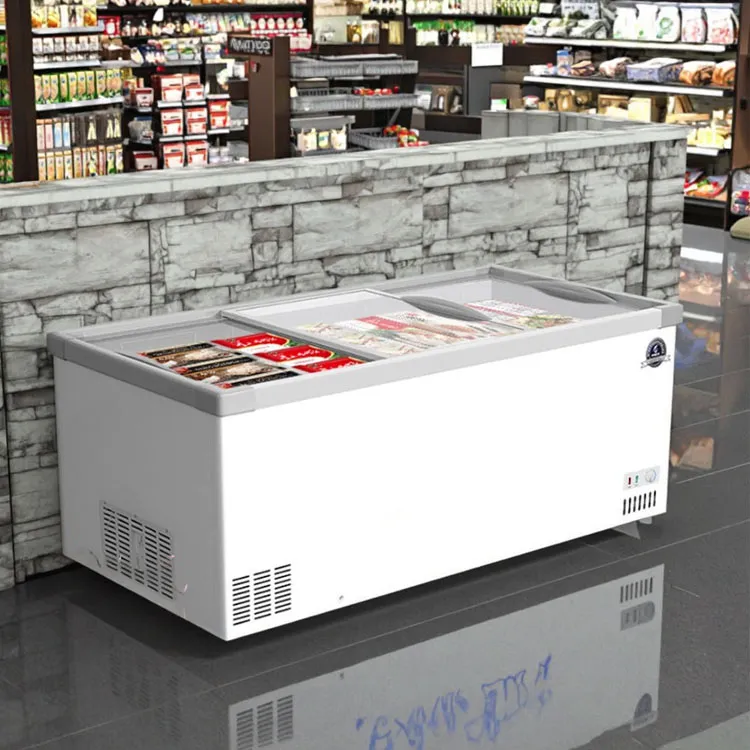
The SLS-ZD1860 Combo Island Cabinet measures 1860 × 810 × 800 mm and lists a temperature r…
We will reply you within 24 hours. If for urgent case, please add WhatsApp/WeChat: +8617806295551. Or call +8617806295551/+8617660987312 directly.
*We respect your confidentiality and all information are protected.
We will only use your information to respond to your inquiry and will never send unsolicited emails or promotional messages.