






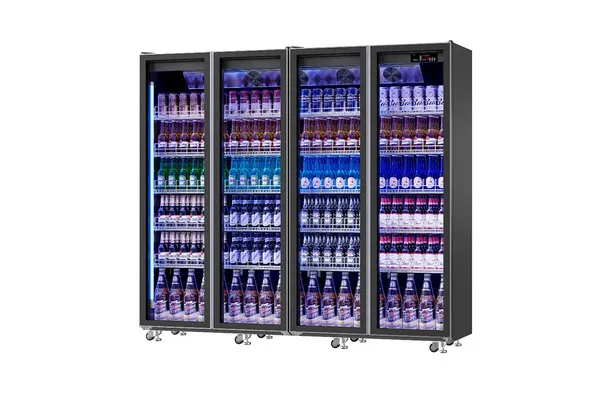
How to Choose a Commercial Back Bar Cooler or Glass Door Beverage Refrigerator
Compare bar coolers, back bar and undercounter designs, beer temperature needs, glass door…
 11:01
11:01 Running out of cold storage, wasting floor space, and mixing products in the wrong zone can quietly hurt sales. A poor cabinet choice leads to spoiled stock, slower service, and higher costs. The right dual temperature flat top cabinet solves all three problems fast.
A commercial dual temperature flat top cabinet is a professional refrigerator and freezer in one low-profile unit. It gives operators flexible cold storage, better product visibility, easier access, and smarter use of floor space. For supermarkets, convenience stores, restaurants, and frozen food retailers, it is often one of the most practical ways to improve storage, display, and daily workflow.
A commercial dual temperature flat top cabinet is a horizontal cold-storage cabinet that can handle both chilling and freezing needs. In simple terms, it lets an operator switch or divide storage between refrigerator use and freezer use, depending on the model and setup. That is why the category is attractive to stores that sell meat, beverages, frozen goods, and prepared foods in one compact zone. Senlisi presents its flat top freezer line as a flexible solution for modern retail and food service operations, with a dual temperature mode that can switch between freezing and refrigeration.
What I like about this format is its practical shape. A flat top design makes loading simple, keeps products visible, and works well in front-of-house retail areas where customers open the lid often. Compared with a tall reach-in unit, it feels less intrusive and is easier for staff to access during rush periods. In many projects, buyers also prefer it because it doubles as both display and cold storage without taking over the whole aisle.
For B2B buyers, the real value is not just the box itself. It is the operating flexibility. One well-chosen dual temp cabinet can reduce the need for an extra appliance, simplify SKU planning, and help an operator react faster to seasonal demand.
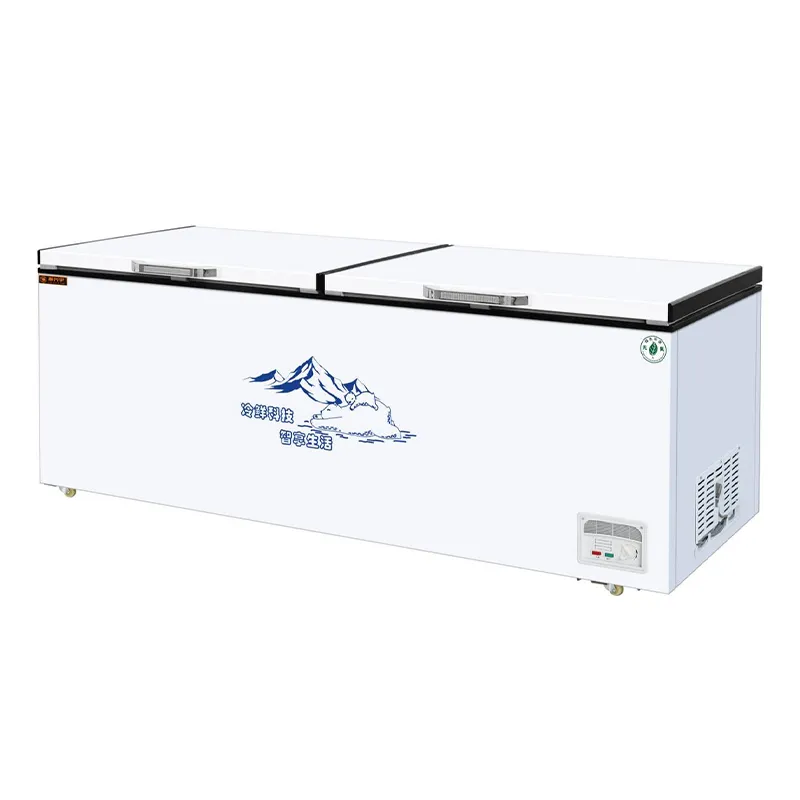
When I help buyers compare layouts, one pattern shows up again and again: separate units look safer on paper, but they often waste power, labor, and available space in real stores. A dual unit gives you more flexibility when demand shifts from drinks to ice cream, or from chilled meat to frozen packaged food. That matters in high-traffic retail and busy commercial environments where product mix changes week to week.
A separate refrigerator and freezer setup may still be best for large, fixed-volume operations. But for many shops, cafés, and small-format food stores, a dual temperature cabinet offers better day-to-day efficiency. It can cater to mixed-product sales without adding another footprint, another door pattern, or another cleaning routine. On Senlisi’s site, the flat top range is positioned exactly this way: flexible, retail-friendly, and useful for frozen food, meat, or beverages.
There is also a cost logic here. Fewer machines usually mean less installation complexity, fewer service points, and lower risk of costly downtime. That does not mean one unit fits all. It means a smart dual design can often deliver more versatility than two mismatched pieces of equipment.
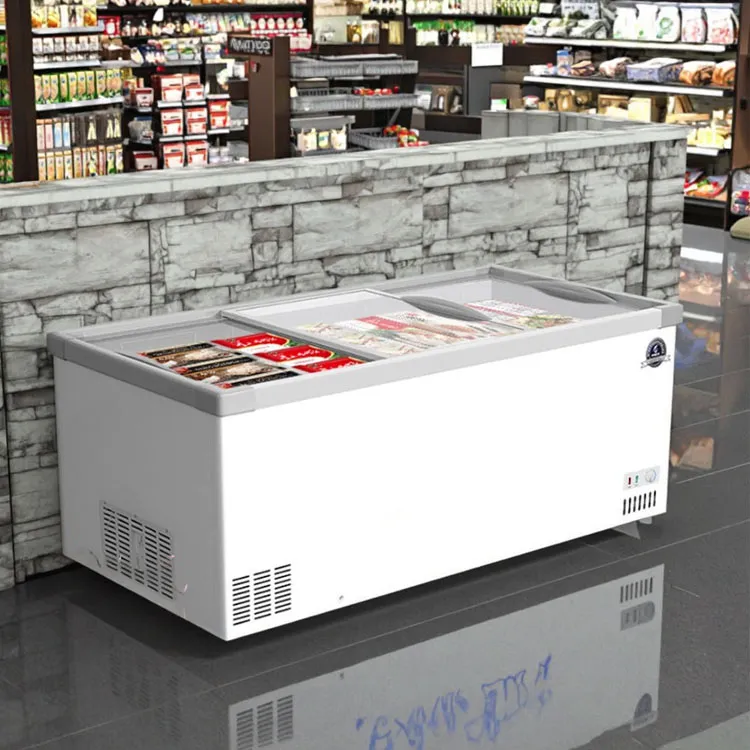
The strongest selling point of a flat top cabinet is spatial efficiency. A tall commercial refrigerator is great for vertical stock, but it can block sightlines and slow self-service in open retail zones. A flat top unit keeps products low, visible, and accessible. That is especially useful in supermarkets, frozen food sections, convenience stores, and island layouts where customer interaction matters. Senlisi’s flat top freezer category highlights clear flat glass sliding or hinged lid options, easy access, and strong support for retail display.
From an operations point of view, this shape improves workflow. Staff can restock quickly. Customers can see products without opening a tall door. Cleaning around the unit is easier when heavy-duty caster wheels are available. Senlisi specifically highlights industrial casters for relocation and cleaning, along with magnetic door seals that help reduce cold air leakage.
For smaller stores, the low-profile format also protects valuable floor space. If your store already uses an undercounter refrigerator, a back-room reach-in, and one front-of-house display, a flat top island cabinet can fill the gap between storage and selling. In other words, it is not just a storage box. It is a layout tool.
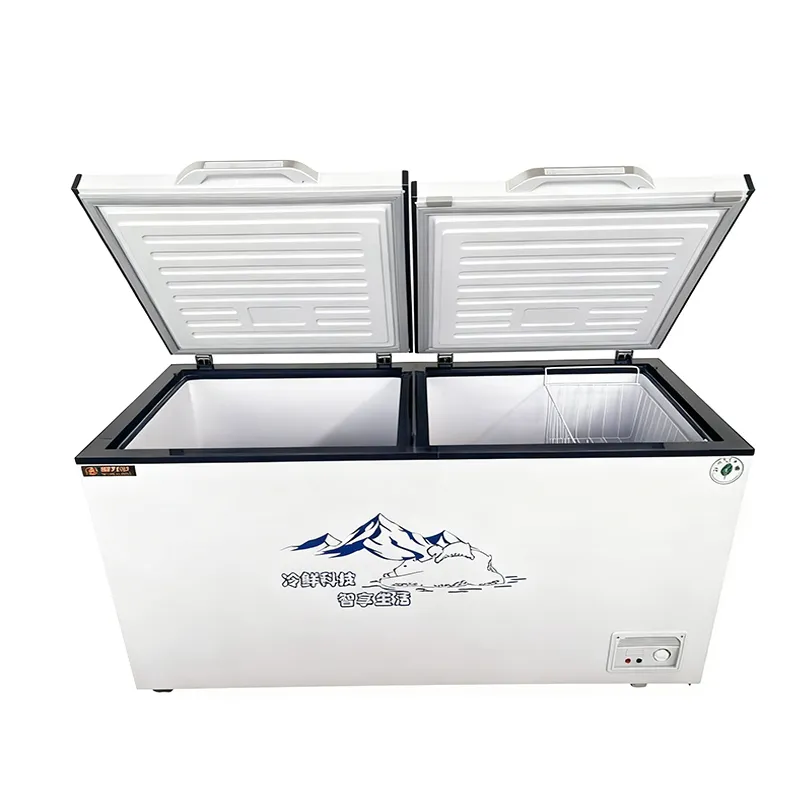
Temperature is not a detail. It is the core of product safety, shelf life, and brand trust. The FDA advises keeping refrigerator temperature at or below 40°F, and many retail food standards use 41°F or below for cold holding. That is why stable temperature control matters more than headline capacity alone.
For frozen products, consistency matters just as much. Ice cream, frozen prepared foods, and meat all lose quality when temperatures swing. That is why operators should ask not only for a target range, but also for cooling recovery speed, insulation quality, and real-world stability during repeated opening. On Senlisi’s site, several product families emphasize copper tube cooling, cooling stability, and full-unit testing before shipment.
I always suggest a simple rule for buyers: choose a unit that protects freshness first and merchandising second. Good visibility helps sales, but only reliable performance supports food safety, food safety compliance, and long-term confidence with inspectors and customers. NSF notes that food equipment standards cover material safety, design, construction, and performance, which is exactly why refrigeration buyers should think beyond appearance.
This depends on the job. A reach-in refrigerator works best when you need upright storage, shelving, and back-of-house organization. An undercounter refrigerator is perfect for prep lines in commercial kitchens, where the top surface is part of the work zone. A continental refrigerator often fits kitchens that need low-height refrigerated storage under or alongside a working surface. Senlisi’s product range reflects this logic by offering upright refrigerators, undercounter worktops, island freezers, and flat top freezers for different use cases.
A flat top cabinet wins when the business needs a mix of visibility, fast access, and flexible display. It is not trying to replace every reach-in. It is solving a different problem. If your priority is front-end presentation, customer reach, and quick loading, a horizontal display freezer or refrigerator may outperform a vertical unit.
There is also a merchandising difference. If your store depends on upright branding, shelving, or even two sliding glass doors in a beverage display, a vertical merchandiser may be better. But if your priority is frozen display, grab-and-go access, or mixed-use retail storage, the flat top format is often the more versatile choice.
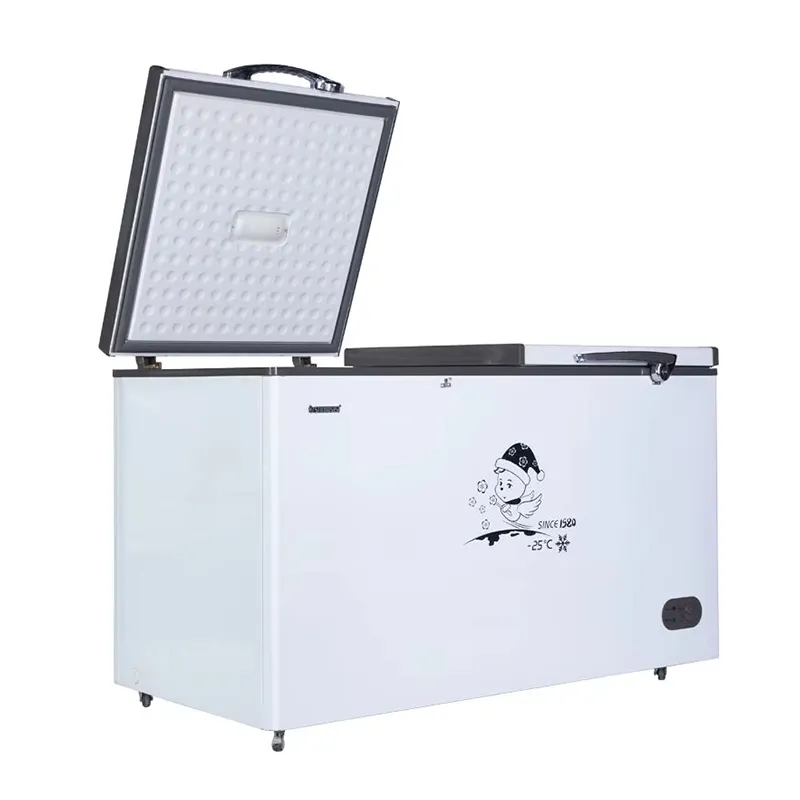
In many cases, yes. That is one of the biggest reasons buyers look for a dual temp cabinet in the first place. Senlisi’s flat top freezer category explicitly frames the line around switching between freezing and refrigeration for ice cream, meat, and beverages.
That makes the unit especially useful for:
A simple example helps. A neighborhood frozen food shop may use one zone for packaged meat and another for ice cream. A beverage retailer may shift the same unit toward chilled drinks in summer and frozen promotional stock in winter. Some operators even shelve slower-moving SKUs in a back-room reach-in and reserve the flat top cabinet for fast sellers.
This is also where you must separate cold equipment from hot-holding language. A holding cabinet, heated holding cabinet, food warming cabinet, or other heated cabinets solve a different problem: keeping hot food ready to serve. A flat top freezer cabinet is not a commercial heated solution. It is a cold-chain solution. Buyers sometimes search both because they are redesigning the whole line, but the equipment role is different.
Senlisi is not just selling one cabinet. It presents a full commercial refrigeration range that includes beverage coolers, bar beer coolers, commercial refrigerators, refrigerated worktops, island freezers, flat top freezers, pharmacy refrigerators, flower display coolers, and more. That broad lineup matters for distributors and project buyers because it reduces sourcing complexity across multiple cold-chain applications.
Senlisi serves 70+ countries, offers customized solutions, and supports applications across supermarkets, restaurants, hotels, pharmacies, retail, and government projects. For buyers building a chain-store program or regional distribution line, that combination of product breadth and factory integration is a strong signal.
From a sales perspective, this is where interest turns into desire. A buyer may start by searching for one freezer. But once they see a supplier that can handle beverage display, back-kitchen prep, island cabinet display, and project customization in one place, the conversation becomes bigger. It becomes a supply-chain decision, not just a single-model decision.
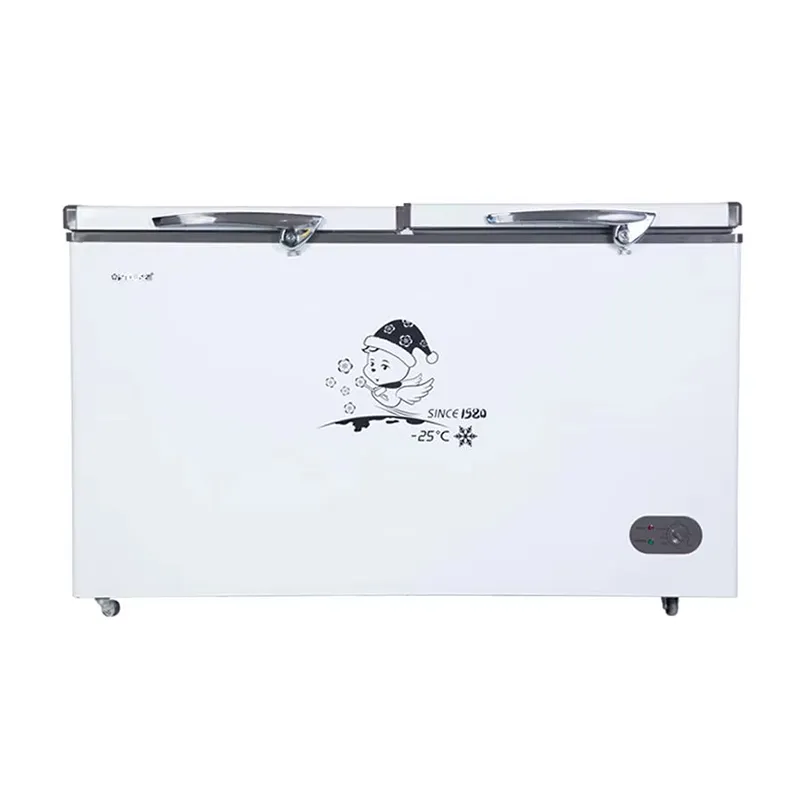
A commercial dual temperature flat top cabinet is not a trendy add-on. It is a practical, energy-efficient, space-smart solution for operators who need one cabinet to do more. It supports frozen and chilled sales, simplifies display, and helps professional teams protect product quality without sacrificing access.
If you are sourcing for supermarkets, cafés, frozen food stores, or retail chains, start with your product mix, traffic pattern, and service style. Then compare the flat top format against a reach-in, an undercounter refrigerator, and other storage options. In many real-world layouts, the dual temperature format is the most versatile answer.
For buyers who want a supplier with broad category coverage, factory control, and export-focused customization, Senlisi is positioning itself as a strong partner in this space.
The biggest benefit is flexibility. One cabinet can support both refrigerator and freezer needs, which helps stores adjust product mix without adding another machine.
It can be, but it depends on the task. In a kitchen, an undercounter refrigerator or worktop may be better for prep. A flat top cabinet is usually stronger in display, front-end access, and mixed retail storage.
Think about turnover, SKU size, and how often the unit will be opened. Some buyers compare liters, while others prefer cu or cu ft. Choose usable storage, not just headline volume.
Not always, but stainless steel is often worth it in harder-use environments because it improves durability, cleaning ease, and long-term appearance.
2026-10
Compare bar coolers, back bar and undercounter designs, beer temperature needs, glass door…
2026-09
The SLS-ZD1860 Combo Island Cabinet measures 1860 × 810 × 800 mm and lists a temperature r…
We will reply you within 24 hours. If for urgent case, please add WhatsApp/WeChat: +8617806295551. Or call +8617806295551/+8617660987312 directly.
*We respect your confidentiality and all information are protected.
We will only use your information to respond to your inquiry and will never send unsolicited emails or promotional messages.