






How to Choose a Commercial Back Bar Cooler or Glass Door Beverage Refrigerator
Compare bar coolers, back bar and undercounter designs, beer temperature needs, glass door…
 17:53
17:53 Poor beverage storage makes drinks look dull, wastes fridge space, and slows service. In a busy store, hotel, cafe, or bar, that hurts sales fast. A well-designed refrigerated beverage cabinet keeps drinks cold, visible, and ready to serve.
A commercial refrigerated beverage cabinet is a cooling cabinet used to store and display drinks in retail, foodservice, hospitality, and institutional spaces. It may work as a beverage center, bar cabinet, beverage fridge, wine fridge, or commercial back bar unit, depending on size, door design, temperature control, and installation style.
A commercial refrigerated beverage cabinet is a cooling cabinet built to store and display drinks. It may hold bottled water, soda, juice, beer, wine bottle products, dairy drinks, or ready-to-drink items. Unlike a normal home refrigerator, this cabinet is made for frequent use, clear display, and stable cooling in business spaces.
You may also see similar products called a beverage center, beverage refrigerator, beverage fridge, wine fridge, wine cooler, mini bar refrigerator, or commercial back bar cabinet. The names can change by market. The key idea is simple: the cabinet keeps drinks cold and helps people see them clearly.
For B2B buyers, a beverage cabinet is not only a storage box. It is part of the customer experience. If drinks look cold, clean, and easy to choose, customers are more likely to buy. If the cabinet looks messy or cannot hold stable temperature, the display loses value.
A beverage cabinet helps a business sell drinks faster. In supermarkets, convenience stores, cafes, hotels, and restaurants, customers often make quick drink choices. A clear glass door, bright lighting, and neat shelves can make the beverage display more attractive.
A good bar cabinet also helps staff work faster. In a restaurant or hotel bar, staff need drinks close to the service area. If the beverage fridge is too small, too far away, or poorly organized, service slows down. Small delays add up during busy hours.
Commercial refrigeration equipment also affects operating cost. ENERGY STAR states that certified commercial refrigerators and freezers are on average 20% more energy efficient than standard models. For businesses that run refrigeration equipment every day, energy-saving design can support lower long-term cost.
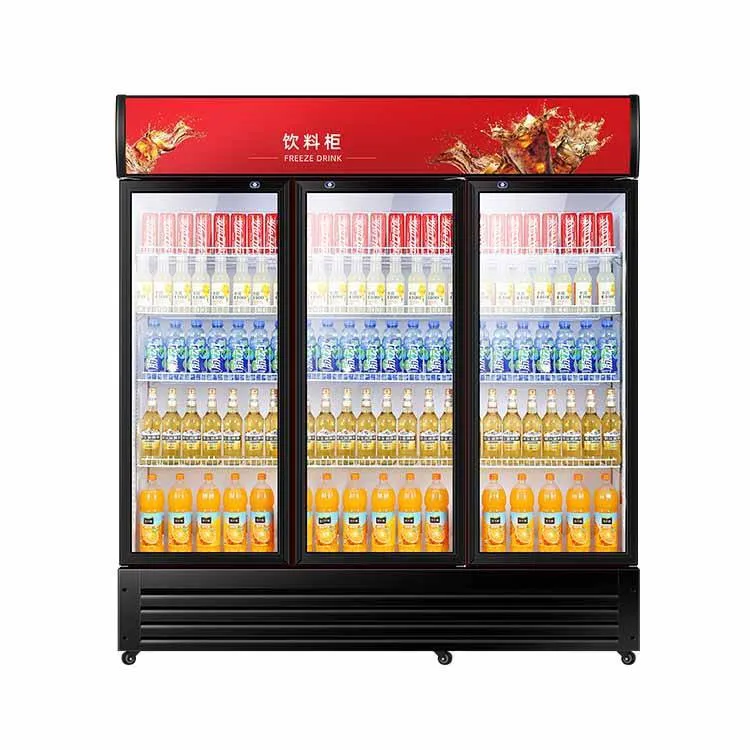
A beverage center usually refers to a clean, display-friendly refrigerated cabinet for drinks. It may be used in a hotel lounge, office pantry, cafe, home bar, or retail area. A beverage center often has a glass door, adjustable shelves, and a neat design.
A bar cabinet is usually used near a service counter, restaurant bar, hotel bar, or commercial back bar area. It may store beer, bottled drinks, mixers, wine, and cocktail ingredients. A refrigerated bar cabinet should be easy for staff to open, clean, and organize.
A beverage fridge is a wider term. It can mean a small fridge, a mini fridge cabinet, a freestanding beverage cooler, or a larger commercial beverage center. In B2B sourcing, the buyer should not focus only on the name. Focus on size, temperature range, cooling performance, and application.
A glass door beverage cabinet lets customers see drinks before they open the door. This is useful in retail spaces because clear product visibility can support faster buying decisions. Customers can compare soda, juice, beer, and bottled drinks without asking staff for help.
A glass door also helps organize the cabinet. Staff can see empty rows, wrong product placement, or low stock quickly. For chain stores and beverage retailers, this makes daily management easier.
However, a glass door cabinet must be built well. It should have insulated glass, strong door gaskets, smooth hinges, and reliable temperature control. If the seal is weak, cold air escapes. If the cooling system is weak, drinks may not stay cold during busy hours.
Important glass door features include:
For supermarkets and beverage stations, a glass door beverage refrigerator can turn storage into display. That is why many commercial buyers prefer glass door cabinets for front-of-house areas.
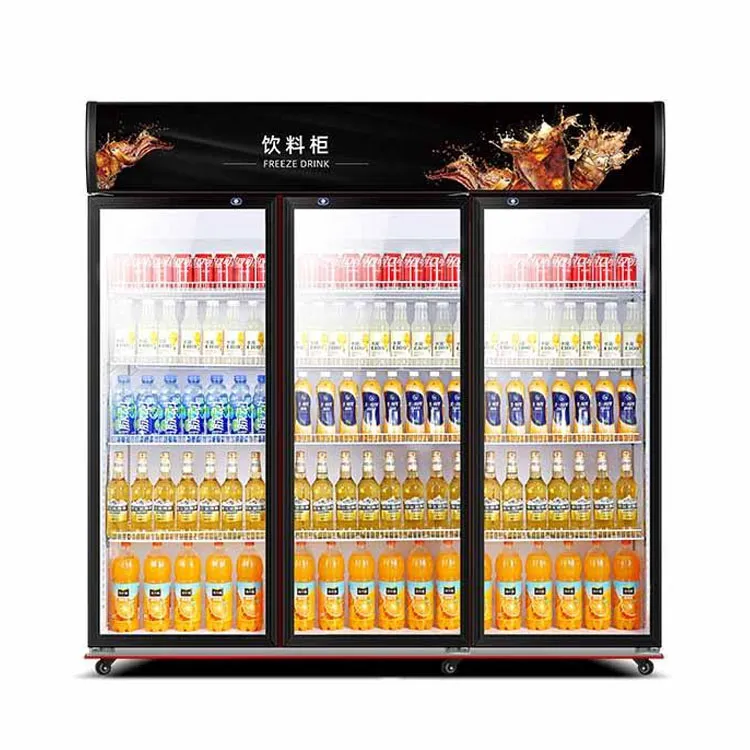
A freestanding beverage cooler is easy to place and move. It is useful for retail stores, cafes, offices, hotel lounges, and temporary promotion areas. This type of cabinet usually needs space around it for airflow.
A built-in beverage cabinet fits into a counter, wall, or bar structure. It gives a cleaner look and saves visible space. A built-in beverage unit is common in a home bar, hotel suite, luxury office, and premium mini bar area.
The choice depends on ventilation. A freestanding cabinet should not be forced into a tight built-in space unless the design allows it. A built-in wine or built-in beverage cabinet usually needs front ventilation, so heat can leave safely.
Different drinks need different storage layouts. Cans and soda need strong shelves and easy access. Beer bottles need enough height and stable cooling. Wine needs more careful storage, especially if you want to protect flavor and presentation.
A wine fridge or wine cooler can help store wine at a more suitable serving condition. If you need both drinks and wine, a beverage center with flexible shelves may work. For more serious wine storage, a wine cabinet or wine cellar may be better.
Some buyers also need a wine rack inside or near the refrigerated cabinet. This helps organize wine bottles and improve display. In a wine bar cabinet, you may also need space for wine glass storage, mixers, and bar tools.
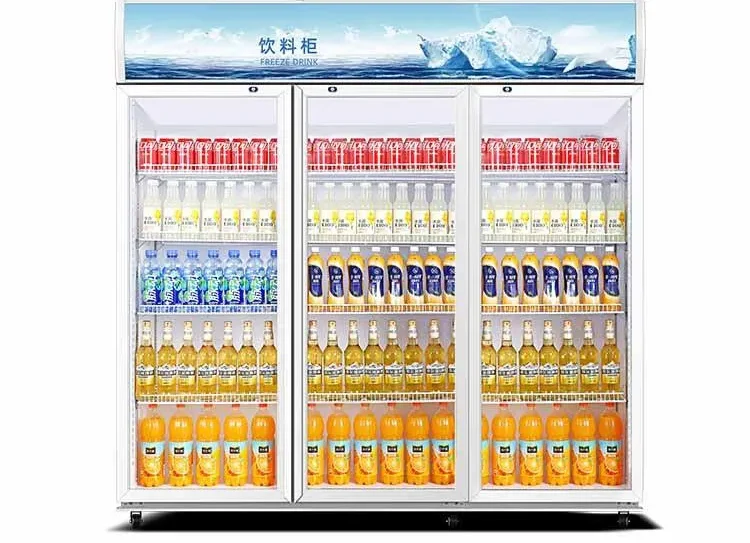
A commercial beverage center must work every day. It may face frequent door opening, warm indoor air, staff handling, and long operating hours. That means the cabinet needs strong cooling, durable structure, and easy maintenance.
Important features include a reliable compressor, stable airflow, strong glass door, adjustable shelves, easy temperature display, strong cabinet body, and service-friendly design. Stainless steel or durable coated material can help the cabinet handle busy commercial spaces.
Buyers should also check temperature control. The FDA Food Code uses 41°F / 5°C or below as an important cold holding reference for time and temperature control food. Beverage-only products vary by type, but stable cooling is still very important for quality, freshness, and customer trust.
Key features to compare:
For B2B buyers, these details matter more than a product photo. A cabinet must look good, but it must also perform well in daily operation.
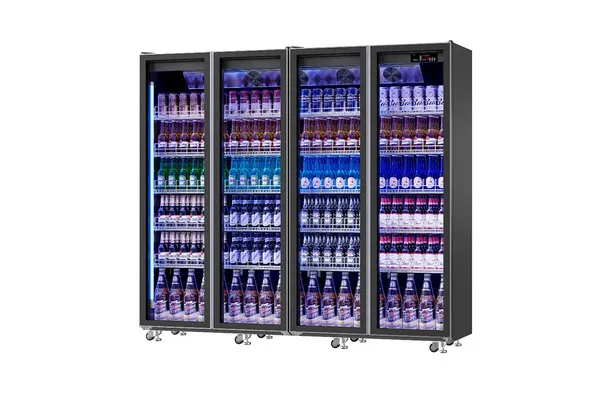
Refrigerated bar cabinets are common in restaurants, hotels, cafes, pubs, clubs, convenience stores, and beverage stations. They help staff keep drinks close, organized, and ready to serve.
In a hotel bar, a commercial back bar cabinet may hold beer, wine, mixers, and bottled drinks. In a cafe, a small beverage fridge may hold sparkling water, juice, bottled coffee, and dairy drinks. In a supermarket, glass door beverage cabinets can form a full beverage display area.
Common application scenes include:
Case example: A hotel project may need mini bar cabinets for rooms, a wine fridge for the restaurant, and a commercial back bar cabinet for the lounge. A convenience chain may need many glass door beverage cabinets with the same size, logo, and layout. These are different needs, so customization matters.
Senlisi is a global manufacturer and exporter of commercial refrigeration equipment based in Qingdao, China. We provide commercial refrigerators, freezers, display cabinets, beverage cabinets, beverage centers, and customized refrigeration solutions for supermarkets, food service, medical, hospitality, and retail applications.
For global B2B buyers, a refrigerated cabinet project is not only about one product. Buyers need stable supply, model selection, export packaging, quality control, communication, and after-sales support. Senlisi supports distributors, chain buyers, contractors, importers, and institutional buyers with practical commercial refrigeration solutions.
We can support:
Our goal is simple: help buyers choose equipment that fits their space, product type, market, and budget. When the cabinet fits the business, the whole project becomes easier.
A commercial refrigerated beverage cabinet is a cooling cabinet used to store and display drinks in business spaces. It can be used in supermarkets, hotels, cafes, restaurants, bars, convenience stores, and beverage retail areas.
A beverage center usually has a more display-friendly or design-focused look. A beverage fridge is a broader term for any refrigerator used to cool drinks. Both can be used for commercial or hospitality projects.
Yes, but it depends on the design. If you need proper wine storage, choose a wine fridge, wine cooler, wine cabinet, or built-in wine unit with suitable shelf structure and temperature control.
Yes, in most retail settings. A glass door lets customers see drinks clearly, supports impulse buying, and helps staff check stock faster. For back-of-house storage, a solid door cabinet may also be suitable.
Choose freestanding if you need flexible placement. Choose built-in if you need a clean cabinet layout under a counter or inside a bar design. Always check ventilation requirements before installation.
Yes. Senlisi can support commercial beverage cabinet customization, including size, logo, color, door style, shelf layout, packaging, and model planning for distributors, supermarkets, hotels, restaurants, and retail projects.
2026-10
Compare bar coolers, back bar and undercounter designs, beer temperature needs, glass door…
2026-09
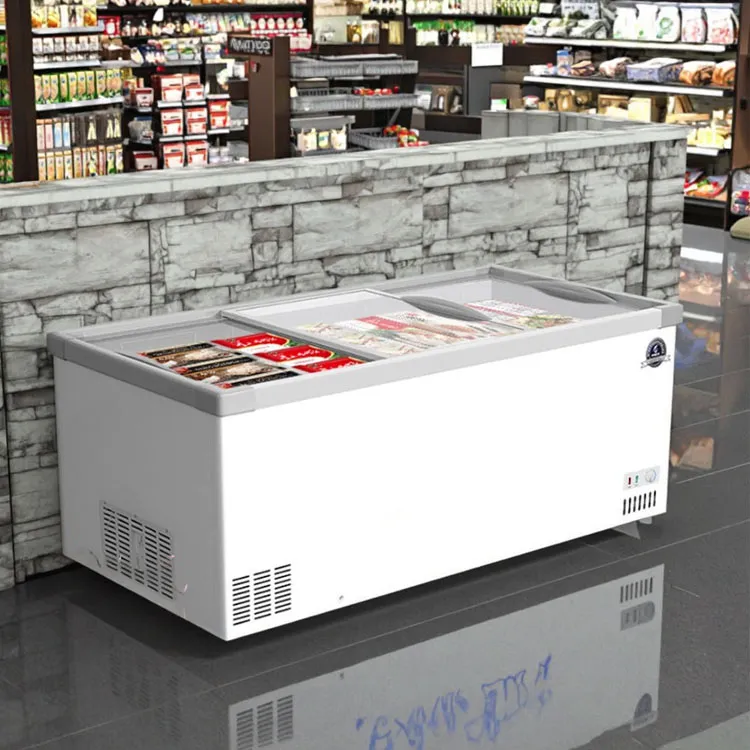
The SLS-ZD1860 Combo Island Cabinet measures 1860 × 810 × 800 mm and lists a temperature r…
We will reply you within 24 hours. If for urgent case, please add WhatsApp/WeChat: +8617806295551. Or call +8617806295551/+8617660987312 directly.
*We respect your confidentiality and all information are protected.
We will only use your information to respond to your inquiry and will never send unsolicited emails or promotional messages.