







How to Choose a Commercial Back Bar Cooler or Glass Door Beverage Refrigerator
Compare bar coolers, back bar and undercounter designs, beer temperature needs, glass door…
 09:16
09:16 الفريق الفني لشركة «سينليس» | شركة تشينغداو سينليس للاستيراد والتصدير المحدودة، شركة متخصصة في تصنيع معدات التبريد التجارية منذ عام 2003 | نُشر في 25 أغسطس 2026
في الحانات، يُقصد بكلمة «كوولر» خزانة مبردة تُحفظ فيها الزجاجات والعلب عند درجة حرارة التقديم، والتي تتراوح عادةً بين 2 و10 درجات مئوية. وتُستخدم هذه الكلمة أيضًا للإشارة إلى مشروب مخلوط قائم على النبيذ، ولهذا السبب تتباين نتائج البحث. تتناول هذه المقالة المعدات: الأشكال، ودرجات الحرارة المحددة، والأبعاد بالمليمتر.
يستخدم السقاة مصطلح “كوولر” للإشارة إلى مشروب طويل يُحضَّر من النبيذ أو المشروبات الروحية مع الصودا والحمضيات. أما فرق المشتريات فتستخدمه للإشارة إلى الأجهزة. وكلا الاستخدامين صحيحان، لكن لا أحد منهما هو ما يبحث عنه من يكتب هذه العبارة في خانة البحث وهو على وشك انتهاء موعد الشراء. كل ما يلي يشير إلى الأجهزة.
هناك ثلاثة عوامل تميز هذه الفئة عن أجهزة التبريد المطبخية العامة، ولا يُعدّ من بينها سوى عامل واحد هو درجة الحرارة.
نطاق القيمة المرجحة أعلى. مبردات البيرة في الحانات تتراوح درجة الحرارة بين 2 و10 درجات مئوية، في حين تبلغ درجة حرارة خزانة التحضير المبردة 2–8 درجات مئوية، وتبلغ درجة حرارة المجمد من −18 إلى 0 درجة مئوية. تفقد البيرة التي تُقدَّم عند درجة حرارة أقل من 1 درجة مئوية تقريبًا طعمها الفوار، كما أن الزجاجات قد تتجمد عند العنق في الليالي التي يكون فيها الإقبال ضعيفًا.
الباب زجاجي، ويتم فتحه باستمرار. ففي حانة مزدحمة، قد يتم فتح باب الثلاجة عدة مئات من المرات في المساء. يدخل هواء الغرفة الدافئ الرطب في كل دورة، ولهذا السبب تستخدم هذه الخزانات أنظمة تبريد هوائية خالية من الصقيع بدلاً من التبريد الثابت: حيث يعمل الهواء المتدفق على استعادة درجة الحرارة المحددة بشكل أسرع بعد فتح الباب ويمنع تكوّن الصقيع على المبخر.
الخزانة هي سطح عرض. فقد تم تزويدها بشريط إضاءة LED ثلاثي الألوان، ورفوف قابلة للتعديل، وإطلالة واضحة عبر الزجاج، وكل ذلك بهدف بيع المنتج، وليس لحفظه. وهذا التمييز مهم عند مقارنة عروض الأسعار، لأن الإضاءة ومعالجة الزجاج تنطويان على تكلفة حقيقية.
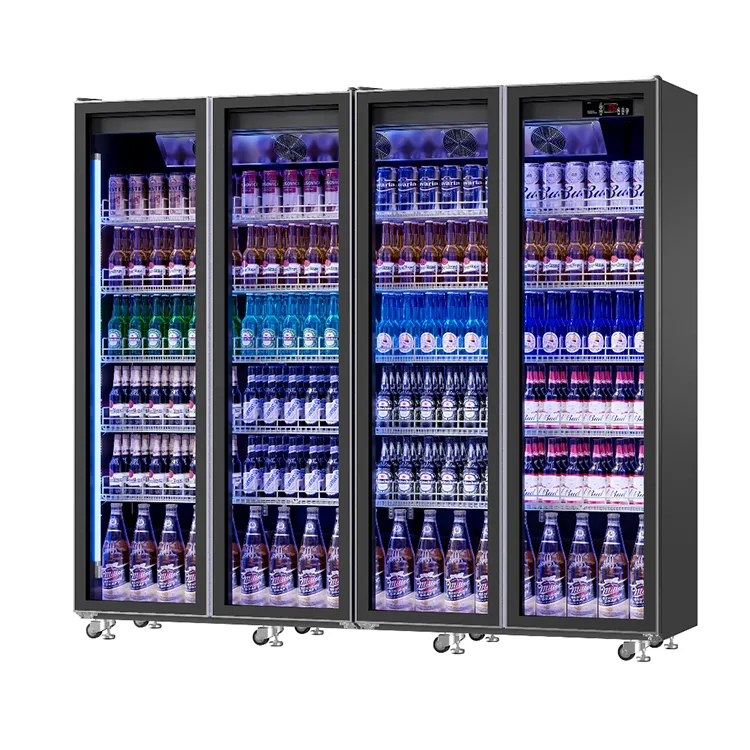
بالمقارنة مع خزانات العرض ذات الأبواب الزجاجية متعددة الأغراض التي تُباع عادةً في الحانات، توفر لك مجموعة خزانات تبريد البيرة المخصصة عمقًا ثابتًا (600 مم) في جميع الأحجام العرضية، وهو ما يتيح لك تخطيط ترتيب الخزانات خلف البار كوحدات مترابطة بدلاً من قياس كل خزانة على حدة.
| التنسيق | الحجم الخارجي (مم) | فئة الارتفاع | درجة الحرارة | معالجة الزجاج |
| مبرد بيرة، بعرض باب واحد | 660 × 600 × 1830 | قياسي | 2–10 درجة مئوية | طلاء مضاد للضباب أو نظام إزالة الضباب بواسطة الأسلاك المُدفأة |
| ثلاجة بيرة، بعرض بابين | 1260 × 600 × 1830 | قياسي | 2–10 درجة مئوية | طلاء مضاد للضباب أو نظام إزالة الضباب بواسطة الأسلاك المُدفأة |
| مبرد بيرة، نموذج عريض قياسي | 2000 × 600 × 1830 | قياسي | 2–10 درجة مئوية | طلاء مضاد للضباب أو نظام إزالة الضباب بواسطة الأسلاك المُدفأة |
| مبرد البيرة، مرتفع | 1260 × 600 × 2010 | متصاعد | 2–10 درجة مئوية | طلاء مضاد للضباب أو نظام إزالة الضباب بواسطة الأسلاك المُدفأة |
| مبرد البيرة، مرتفع | 1860 × 600 × 2010 | متصاعد | 2–10 درجة مئوية | طلاء مضاد للضباب أو نظام إزالة الضباب بواسطة الأسلاك المُدفأة |
| مبرد بيرة، مرتفع وعريض | 2225 × 600 × 2010 | متصاعد | 2–10 درجة مئوية | طلاء مضاد للضباب أو نظام إزالة الضباب بواسطة الأسلاك المُدفأة |
| سطح عمل مبرد | 1800 × 600 × 800 | تحت الطاولة | 2–8 درجة مئوية | مصنوع من الفولاذ المقاوم للصدأ الصلب (بدون زجاج) |
| ثلاجة مشروبات، بباب واحد | 600 × 600 × 1920 | شاشة عرض عمودية | لكل طراز | مقسّى بطبقتين |
| ثلاجة مشروبات، ببابين | 1200 × 600 × 1920 | شاشة عرض عمودية | لكل طراز | مقسّى بطبقتين |
| ثلاجة مشروبات، بثلاثة أبواب | 1800 × 600 × 1920 | شاشة عرض عمودية | لكل طراز | مقسّى بطبقتين |
يتراوح عدد الأبواب في خط ثلاجات البيرة من باب واحد إلى أربعة أبواب. وتنقسم العرض إلى أجنحة يبلغ عرض كل منها حوالي 600 ملم، لذا فإن الخزانة التي يبلغ عرضها 1260 ملم هي ذات بابين، والخزانة التي يبلغ عرضها 2225 ملم هي ذات أربعة أبواب، ولكن تأكد من التقسيم الموضح في الرسم التصميمي للمصنع قبل التخطيط لتصميم واجهة البار الخلفية — حيث يؤثر كل من عرض جناح الباب وجانب المفصلة على إمكانية فتح مجموعة الخزانات في وقت واحد خلف النادل أثناء عمله.
الخطأ الأكثر شيوعًا في تحديد المواصفات هو اعتبار أن الأبرد هو الأفضل. وينتج عن ذلك نوعان من حالات الفشل.
الإفراط في التبريد يضر بالمنتج. تُقدَّم بيرة «لاجر» من النوع الذي يُشرب على طريقة «درافت» في أفضل حالاتها عند درجة حرارة تتراوح بين 3 و5 درجات مئوية؛ أما بيرة «إيل» فتُقدَّم عادةً بدرجة حرارة أعلى. إن ضبط خزانة التبريد بأكملها على أدنى درجة حرارة ممكنة لتلبية متطلبات خط إنتاج واحد يؤدي إلى إضعاف جودة بقية المنتجات.
التكثف مشكلة تتعلق بالغرفة، وليس بالخزانة. يتعتم الزجاج عندما تنخفض درجة حرارة سطحه الخارجي إلى ما دون نقطة الندى للهواء المحيط. في حانة تبلغ درجة الحرارة فيها 28 درجة مئوية والرطوبة النسبية 70%، تقع نقطة الندى بالقرب من 22 درجة مئوية — وهي أعلى بكثير من درجة حرارة السطح الخارجي لأي ثلاجة تعمل عند 4 درجات مئوية. وهناك حلان لهذه المشكلة. يعمل الطلاء المضاد للضباب على تغيير الطريقة التي يبلل بها التكثف الزجاج بحيث لا يتسبب في تشتت الضوء. أما الزجاج المزود بسلك تسخين لإزالة الضباب، فيرفع درجة حرارة اللوح الخارجي فوق نقطة الندى ويزيل الضباب تمامًا. يكلف الطلاء أقل ولا يستهلك أي طاقة؛ بينما يستهلك الزجاج المزود بسلك تسخين طاقة بشكل مستمر، لكنه الخيار الوحيد الذي يحافظ على رؤية واضحة في الأماكن ذات الواجهة المفتوحة في المناطق الاستوائية.
الحالة الاستثنائية التي تستحق التخطيط لها: إن المبرد المركب في حانة خارجية غير مكيفة في جنوب شرق آسيا أو منطقة الخليج يواجه ظروفًا بيئية تتجاوز بكثير ظروف الاختبار المعتدلة التي تفترضها معظم أوراق البيانات الفنية. اسأل المورد عن فئة المناخ المحيط التي تم اختبار الوحدة وفقًا لها قبل اتخاذ قرار الشراء، واطلب زجاجًا مزودًا بنظام إزالة الضباب بالتسخين بدلاً من الطلاء.
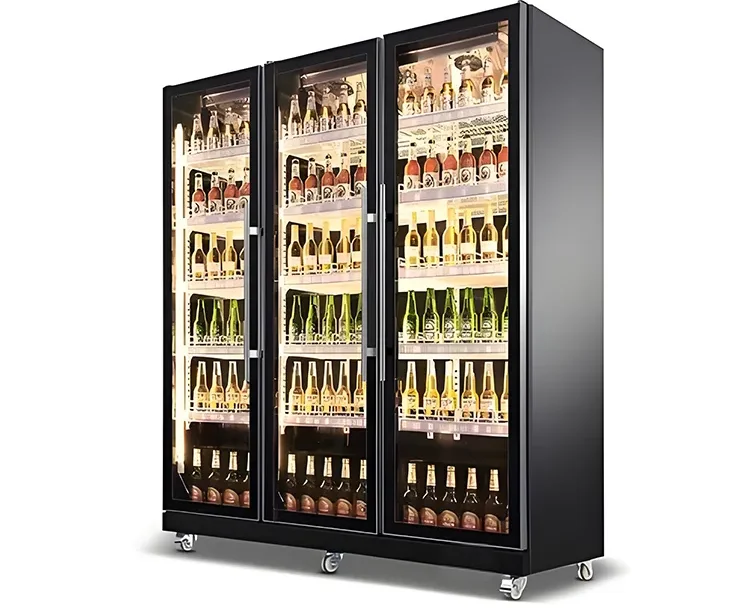
قم بقياس عرض الكوة وعمقها وارتفاع السقف المعلق فوقها. تحتاج الخزانة التي يبلغ ارتفاعها 2010 ملم إلى مساحة خالية فوقها لتدفق هواء المكثف، بالإضافة إلى مساحة كافية لإمالة الوحدة لتمريرها عبر المدخل عند التسليم.
تنقسم هذه السلسلة إلى ثلاث مجموعات. تستخدم مبردات البيرة المضادة للضباب (SLS-PF01 / PF02 / PF04) زجاجًا مقسّى ومطليًا. أما مبردات البيرة المزودة بخاصية إزالة الضباب (SLS-PFG02 / PFG03) فتستخدم زجاجًا مزودًا بسلك تسخين مصنّف لإزالة الضباب وفقًا لمعيار 100%. أما مبردات البيرة ذات السعة الكبيرة والمرتفعة (SLS-PFGC02 / PFGC03 / PFGC04) فيبلغ ارتفاع خزانتها 2010 مم.
المواصفات المشتركة بين الطرازات الثلاثة: درجة حرارة تتراوح بين 2 و10 درجات مئوية، تشغيل مبرد بالهواء ومقاوم للتجمد، أرفف قابلة للتعديل، شريط إضاءة LED ثلاثي الألوان، عجلات اختيارية مخصصة للأحمال الثقيلة، وشهادات CE وRoHS وISO 9001. يبلغ العمق 600 ملم في كل طراز.
OEM و ODM تشمل التغييرات المتوفرة في هذه السلسلة لون الهيكل الخارجي وشعار العلامة التجارية، وتصميم الرفوف الداخلية والإضاءة، ونوع المبرد، والجهد الكهربائي ومعيار القابس، وحجم الخزانة، واللغة المستخدمة في العبوة ودليل المستخدم.
بالنسبة لأجهزة التبريد التجارية، يُعد المعيار الدولي IEC 60335-2-89 هو معيار السلامة الذي ينظم تصميم هذه الأجهزة، والأهم من ذلك، حدود الشحن المطبقة على المبردات الطبيعية القابلة للاشتعال. وإذا حدد عرض الأسعار استخدام المبرد R290 (البروبان)، فإن حد الشحن هذا هو السبب وراء تزويد الخزانة ذات الحجم المحدد بالضاغط الموجود بها.
تقود لائحة الاتحاد الأوروبي الخاصة بغازات الفلوروكربون (F-Gas) التحول الواسع النطاق بعيدًا عن مركبات الهيدروفلوروكربون (HFCs) نحو المبردات الطبيعية في قطاع التبريد التجاري الأوروبي، وهي السبب في أن نوع المبرد يظهر الآن في وثائق المناقصات التي كانت تتجاهله قبل عقد من الزمن. وتنشر جمعية ASHRAE تصنيفات سلامة المبردات التي تشير إليها تلك اللوائح.
لا تذكر صفحات مبردات البيرة من طراز «Senlis Bar» نوع المبرد المستخدم في هذه السلسلة. يرجى طلب ذلك كتابةً كجزء من عرض الأسعار، خاصةً بالنسبة للطلبات الموجهة إلى دول الاتحاد الأوروبي.
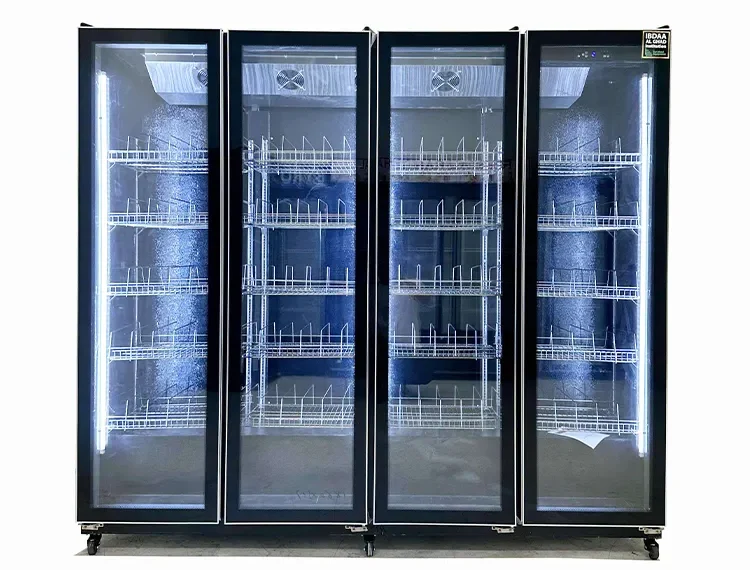
تُعد الأبواب الزجاجية حلاً وسطًا من الناحية الحرارية. فثلاجة ذات باب زجاجي تفقد كمية أكبر من الحرارة عبر الباب مقارنةً بخزانة ذات باب صلب بنفس المساحة، وفي الأماكن التي تُستخدم للتخزين وليس للعرض — مثل القبو أو ممر الخدمة — تكون الفائدة التسويقية معدومة، في حين أن تكاليف التشغيل لا تزال قائمة.
تسبب الخزائن المرتفعة مشاكل في الوصول إلى محتوياتها. فالرف العلوي في وحدة يبلغ ارتفاعها 2010 ملم يقع فوق مستوى الوصول المريح بالنسبة للعديد من الموظفين، مما يحولها عمليًّا إلى مساحة لتخزين المخزون الذي يتحرك ببطء بدلاً من أن تكون سعة عمل فعالة. وإذا كان فريق البار يقوم بتجديد المخزون في منتصف فترة الخدمة، فإن الخزانة القياسية التي يبلغ ارتفاعها 1830 ملم غالبًا ما تُنقل منها كمية أكبر من المنتجات في كل نوبة عمل على الرغم من سعتها الأقل.
تعمل الأنظمة المُبردة بالهواء والمقاومة للتجمد على تدوير الهواء بشكل مستمر. وهذا ما يضمن انخفاض سريع في درجة الحرارة بعد فتح الباب، كما يعني أن الأطعمة المكشوفة أو المنتجات المفتوحة المتروكة داخل الثلاجة ستجف أسرع مما لو كانت في ثلاجة ذات نظام تبريد ثابت.
يتم تحديد الأسعار حسب كل مشروع — يرجى طلب عرض أسعار وفقًا للطراز والكمية والسوق المستهدفة. وتؤثر التكوينات بشكل كبير على الفارق السعري: فكل من معالجة الزجاج، وعدد الأبواب، والجهد الكهربائي، والعلامة التجارية، ووجهة الشحن تؤثر على السعر.
ج: “ثلاجة خلفية البار”يُشير هذا المصطلح إلى الموقع، وليس إلى الجهاز نفسه. وفي الواقع، يشمل هذا المصطلح كلاً من الوحدات المثبتة أسفل منضدة الخدمة (بأبعاد سطح العمل 1800 × 600 × 800 مم) والخزائن القائمة ذات الأبواب الزجاجية الموضوعة مقابل الجدار الخلفي (بارتفاع 1830 مم أو 2010 مم).
ج: ضمن النطاق الذي يتراوح بين 2 و10 درجات مئوية، يختار معظم المشغلين درجة حرارة تتراوح بين 3 و5 درجات مئوية للبيرة المعبأة في زجاجات وعلب. اضبط درجة الحرارة وفقًا للمنتج الذي تبيعه أكثر من غيره، وليس وفقًا لأدنى قيمة تقبلها وحدة التحكم.
ج: يجب مواءمة عدد الأبواب مع وتيرة إعادة التزويد، وليس مع الحجم الإجمالي. وتتراوح العرض بين 660 ملم و2225 ملم، مع عدد أبواب يتراوح بين باب واحد وأربعة أبواب، وعمق ثابت يبلغ 600 ملم.
ج: يعمل الطلاء المضاد للضباب على التحكم في تشتت الضوء؛ أما الزجاج المزود بأسلاك تسخين لإزالة الضباب فهو الذي يزيل الضباب تمامًا. بالنسبة للأماكن المفتوحة من الأمام أو غير المكيفة، يجب تحديد الزجاج المزود بأسلاك تسخين.
ج: نعم. الجهد الكهربائي ومعيار القابس هما OEM خيارات متنوعة في جميع الطرازات، إلى جانب التشطيبات الخارجية، وتصميم الرفوف، والمبرد، وحجم الخزانة.
ج: تحمل هذه المجموعة شهادات CE وRoHS وISO 9001. ويعتمد اختيار الشهادة التي يطلبها المشتري أو سلطة الجمارك على السوق المقصودة، لذا يرجى التأكد من ذلك قبل الشحن.
2026-10
Compare bar coolers, back bar and undercounter designs, beer temperature needs, glass door…
2026-09
The SLS-ZD1860 Combo Island Cabinet measures 1860 × 810 × 800 mm and lists a temperature r…
سنرد عليك في غضون 24 ساعة. إذا كان للحالة العاجلة، يرجى إضافة واتساب/وي شات: +8617806295551. أو اتصل على +8617806295551/+8617660987312 مباشرة.
*نحن نحترم سريتك وجميع معلوماتك محمية.
لن نستخدم معلوماتك إلا للرد على استفسارك ولن نرسل أبداً رسائل بريد إلكتروني غير مرغوب فيها أو رسائل ترويجية.